Does my home meet the requirements for dilapidated old house reconstruction? 3 dilapidated old house conditions, 5 old house reconstruction application processes, 4 dilapidated old house reconstruction rewards, take you to quickly understand the dilapidated old house reconstruction assessment

When facing the old house at home, have you ever thought: "Can this old house of mine be renovated?"Apply for reconstruction of dilapidated old buildings? "、"I heardThere are many incentives for rebuilding dilapidated and old buildings, but the conditions seem complicated?"These questions are believed to be common concerns in the minds of many homeowners.
As Taiwan's aging housing problem becomes increasingly serious, the government's policy of rebuilding dilapidated homes has indeed brought new hope to many elderly homeowners. However, how to determine whether their home meets the requirements and how to apply are often confusing.
This article will provide you with a complete analysis of all the key information on the reconstruction of dilapidated old buildings. Whether you are new to dilapidated old buildings reconstruction or are considering whether to apply, this article can provide you with practical guidance!

文章作者

What is a dangerous old building? Understand the definition of dangerous old buildings in one minute

Dangerous old buildings, officially known asDangerous and old buildings"Renovation" refers to buildings that need to be rebuilt or repaired because of concerns about their structural safety or their age.
according to"Ordinance on Accelerated Redevelopment of Dangerous and Old Urban BuildingsAccording to the regulations of the Ministry of Housing and Urban-Rural Development, dilapidated and old buildings are mainly divided into two categories:

⠀⠀⠀⠀

1. Dangerous Buildings

This refers to buildings whose structures or equipment have safety concerns and have been notified by the building authority in accordance with the Building Act to repair, reinforce or demolish them within a specified period of time. Such buildings usually pose a direct threat to residential safety due to factors such as "structural damage", "unstable foundations" or "aging building materials". The building authority will conduct a professional assessment and confirm that the building does indeed pose a safety risk before issuing relevant notifications.

⠀⠀⠀⠀

2. Old Buildings

Old buildings refer to buildings that are more than 30 years old.Structural safety performance assessmentThose whose results do not reach the lowest level; or those whose houses are more than 30 years old, whose earthquake resistance does not meet certain standards, and whose improvements are ineffective or have no lifting equipment installed. This definition covers most of the old residential buildings in Taipei City and provides a legal basis for the reconstruction of these buildings.

⠀⠀⠀⠀

Definition of Dangerous and Old Buildings: Key Points on Dangerous and Old Buildings

The definition of the above legal provisions is summarized here for you!

⠀⠀⠀⠀

 Dangerous buildingsOld buildings
Building characteristics
  • Structural damage to buildings
  • Unstable building foundation
  • Aging of building materials
  • through Structural safety performance assessment Those whose results do not reach the minimum level
  • Houses over 30 years old
  • Earthquake resistance does not meet certain standards
  • Improvement of inefficient or no lifting equipment
example
  • Sea sand house.
  • Earthquake damaged house.
  • Apartments and townhouses that are over 30 years old and do not have elevators.
  • The building is over 30 years old and has the earthquake resistance level of a Class B elevator building.
How to deal with it?The competent building authority shall notify the relevant authorities of the deadline for repair, reinforcement or demolition in accordance with the provisions of the Building Act.Apply to the local government for reconstruction of old houses on your own.

⠀⠀⠀⠀

It is particularly important to note that buildings applying for reconstruction of dilapidated buildings must also meet other conditions, including: the building and its base must comply with building laws and regulations, have not been expropriated by the government or by sections, and the base area must comply with the minimum unit restrictions.

⠀⠀⠀⠀

Which buildings are actually unable to apply for dilapidated reconstruction?

The answer is here! Ancient monuments, historical buildings, and buildings with artistic and commemorative value are actually not eligible to apply for dilapidated reconstruction!
Therefore, if your old house meets the standards of a historical monument, you cannot apply for reconstruction of dilapidated buildings. In fact, these buildings should go through the process of urban renewal!

⠀⠀⠀⠀

Does my family qualify? 3 quick tests for critically ill elderly people

To determine whether your home qualifies for dilapidated reconstruction, you can conduct a preliminary assessment based on the following three key criteria:

⠀⠀⠀⠀

Condition 1: House age condition

First, check the age of your home. According to the Dangerous Reconstruction Ordinance, the building must meet any of the following conditions:

  1. Legal buildings over 30 years old
  2. A building that has been identified as a dangerous building by relevant professional technicians of a joint supply contract organization designated by the central competent authority
  3. Buildings identified as insufficiently earthquake-resistant

⠀⠀⠀⠀

Things to note when checking the age of a house:

Most applications are based on the requirement of "house age over 30 years". You can check your home's building license or use license to confirm the actual year of completion. It is important to note that the "30 years" here is based on the date the building obtained the use license, not the "time of purchase of the house".

⠀⠀⠀⠀

Condition 2: Legality

The building must be a "legal building", specifically it must meet one of the following conditions:

  1. A legal building with a building license and a use license. If you do not have one, you need to apply to the local government first.
  2. Existing legal buildings that existed before the implementation of building management
  3. Buildings that have applied for and obtained building permits through legal procedures

⠀⠀⠀⠀

Special circumstances:

If your home is an illegal building, or if parts of it are built or added without obtaining relevant permits, it cannot be included in the scope of dangerous and old reconstruction. However, if the main structure of the building is legal and only part of it is illegal, you can usually apply for dangerous and old reconstruction for the legal part.

⠀⠀⠀⠀

Condition 3: Completeness Condition

Applications for the reconstruction of dilapidated and old buildings are made on a "building site" basis. If it is a townhouse or a single-family building, it is usually easier to meet the requirements. If it is an apartment or a building, the consent of all owners of the building is required. If there are multiple buildings on the site, in principle, they need to apply together. This condition is often the most challenging part of the application process.
Especially in old apartments, it is not easy to obtain the consent of all residents, which requires sufficient communication, coordination and professional assistance.

⠀⠀⠀⠀

Want to apply for dilapidated old building reconstruction? The assessment process for dilapidated old building reconstruction is now open.

⠀⠀⠀⠀

After understanding whether your home qualifies, the next step is the actual application process for the dilapidated reconstruction assessment. The entire process can be divided into five main stages:

⠀⠀⠀⠀

Phase 1: Initial Assessment and Consultation

Before formally applying, it is recommended to conduct a preliminary assessment. This stage mainly determines the basic conditions of the building, including its age, legality, and the owner's wishes.

⠀⠀⠀⠀

What you need to do are:

  • Collect relevant documents supporting the building (construction license, occupancy license, land and building registration transcripts, etc.)
  • Consult a professional architect or technician to find out if the building meets the application requirements
  • If it is a collective housing, start communicating with other residents to understand their willingness to rebuild.

This stage usually takes 1 to 2 months and mainly involves collecting information and conducting preliminary communication.

⠀⠀⠀⠀

Phase 2: Professional Identification and Evaluation

After you decide to apply, you needCommission a qualified architect, civil technicians or structural technicians for professional appraisal.

⠀⠀⠀⠀

The identification you need to apply for includes:

  • Building structural safety assessment
  • Detailed evaluation of earthquake resistance (preliminary evaluation, detailed evaluation)
  • Building Condition Survey
  • Reconstruction feasibility analysis

⠀⠀⠀⠀

Professional appraisal is the core of the entire application process. The quality of the appraisal report directly affects the success rate of the application. This stage usually takes 2 to 3 months and costs about 100,000 to 300,000 yuan, depending on the scale of the building. At the same time, you can also apply for partial government subsidies for the appraisal costs.

⠀⠀⠀⠀

Phase 3: Reconstruction Plan Development

After obtaining the professional appraisal report, a detailed reconstruction plan should be drawn up.

⠀⠀⠀⠀

The reconstruction plan includes:

  • Reconstruction scope and scale planning
  • Architectural design concept
  • Project budget estimate
  • Construction schedule planning
  • Resident Resettlement Plan

The reconstruction plan needs to take into account the needs and opinions of all residents and comply with relevant regulations. This stage takes approximately 3 to 4 months.

⠀⠀⠀⠀

Stage 4: Application and Review

After completing the reconstruction plan, you can formally submit an application to the local government for the reconstruction of dilapidated and old buildings.

⠀⠀⠀⠀

Required application documents include:

  • Application for reconstruction of dilapidated old buildings
  • Building safety appraisal report
  • Reconstruction Plan
  • Land and building rights certification documents
  • Consent from all owners

⠀⠀⠀⠀

The government agency will conduct a written review and on-site inspection, which usually takes 1-2 months. If the documents are complete and meet the requirements, a reconstruction permit will be issued.

⠀⠀⠀⠀

Phase 5: Implementation and Supervision

Once you have a reconstruction permit, you can begin the actual reconstruction work.

⠀⠀⠀⠀

This phase includes:

  • Apply for a building license
  • Carry out demolition work
  • New construction project
  • Apply for a license

⠀⠀⠀⠀

The entire project usually takes 1.5 to 2 years, depending on the size and complexity of the building. During this period, it is also necessary to cooperate with various government inspections and supervision. The entire dangerous and old reconstruction assessment process from start to finish usually takes 3-4 years. Although the process is relatively complicated,With the help of a professional team, which can greatly simplify the procedure and improve the success rate.

⠀⠀⠀⠀

Summary of the four major preferential policies for the elderly in critical condition

⠀⠀⠀⠀

1. Volume Rewards

The maximum reward is 1.3 times the base volume or 1.15 times the original building volume.

⠀⠀⠀⠀

2. Tax Incentives

Land tax is exempted during the reconstruction period; after completion, land tax is halved for 2 years; property tax is halved for up to 10 years (untransferred).

⠀⠀⠀⠀

III. Loan Preferential Treatment

Not subject to loan financing ratio restrictions under the Banking Act.

⠀⠀⠀⠀

IV. Loan Interest Subsidy

The application period ends on December 31, 2015. The maximum loan amount per household is NT$3.5 million. The preferential interest rate is calculated based on the Chunghwa Post Co., Ltd.'s two-year fixed deposit interest rate for deposits less than NT$5 million, minus 0.533%. When the Postal Savings Bank's interest rate is adjusted, the interest rate will be adjusted accordingly. Starting from the fourth year, the preferential interest rate and interest subsidy will be discontinued, and the borrower (i.e., the recipient of the subsidy) will renegotiate the interest rate with the lending financial institution.

⠀⠀⠀⠀

Rebuilding an old house is easy! Experts guide you through the process

Many people are hesitant to rebuild their old homes, mainly because they think the process is complicated and time-consuming. However, with proper planning and professional assistance, house reconstruction can become relatively simple and smooth.
According to the "Act on Accelerated Reconstruction of Dangerous and Old Urban Buildings," there is actually an application deadline for the reconstruction of dangerous and old buildings. Applications can only be made within a 10-year period, from May 10, 2017, to May 31, 2017.

  1. Applications for the reconstruction project will be accepted until May 31, 2017.
  2. Applications for tax exemptions and reductions are open until May 11, 2017.

When application time is limited, you can enlist the help of a professional team. The homeowner only needs to provide the necessary documents and make decisions. Other complex technical work can be handled by experts, which can save the homeowner a lot of time and complete the application within the deadline.

⠀⠀⠀⠀

Who can you turn to for professional reconstruction of dilapidated old houses? B-studio's professional team of architects and years of experience will help you avoid unnecessary mistakes when renovating old houses.

B-studio's team of architects has been deeply engaged in the reconstruction of dilapidated and old buildings for many years and has handled a variety of cases, from single-family houses to large-scale collective housing, from simple structural reinforcement to complete reconstruction. We have rich experience in handling this and can provide the most suitable solutions.

⠀⠀⠀⠀

B-studio service features include:One-stop integrated service, from the initialFeasibility assessment, professional appraisal, reconstruction plan formulation, and subsequent construction supervision and license applicationB-studio can provide complete consulting services, so you don’t have to run around looking for different manufacturers. Professional and careful assessment, considering the surrounding environment, regulatory restrictions, and the actual needs of the homeowner, to provide the most realistic assessment report.Homeowners are welcome to consult, quickly complete the subsidy application before June 2017!

⠀⠀⠀⠀

Combining government resources with local experience, the reconstruction of dilapidated old houses is no longer a complex and difficult project, but a proposal for future living that can be properly planned.Subscribe to our YouTube channel, or joinOur official LINE account, A Ben will work with you to complete the application process for the elderly at risk.

B-Studio Architectural Design Cases

清水模老屋重建案例:外層設計米粒造型孔洞

[2025 Latest Taipei City Elderly Care Incentives] 3-Minute Guide: Everything from floor area incentives, building certification subsidies, and tax incentives included!

The proportion of old houses in Taipei City accounts for 72%, and the number of old houses over 30 years old is as high as 640,000.Statistical Bulletin of the Ministry of the Interior and Statistics Department for the 40th week of 2011Taipei City has the highest proportion of buildings over 40 years old at 47.51%. If we further examine the proportion of buildings over 30 years old, Taipei City takes the lead in Taiwan at 71.98%. The urban renewal plan has become an inevitable reform for Taipei City. If citizens want to rebuild dangerous old buildings on their own, they can actually apply for the Taipei City Dangerous and Old Building Incentive.

If you also want to know how to calculate the Taipei City Elderly Care Incentive, then don’t miss the quick guide B-Studio has prepared for you, which will help you quickly understand how to calculate and apply for the incentive!

文章作者

Definition of dilapidated buildings: What kind of buildings can be called "dilapidated"?

Dangerous old age is based onOrdinance on Accelerated Redevelopment of Dangerous and Old Urban Buildings"Regulations on Dangerous and Old Buildings", Article 3 of which stipulates that dangerous and old buildings are mainly divided into two types: dangerous buildings and old buildings.

⠀⠀⠀⠀

1. Dangerous Buildings

This refers to buildings whose structures or equipment have safety concerns and have been notified by the building authority in accordance with the Building Act to repair, reinforce or demolish them within a specified period of time. Such buildings usually pose a direct threat to residential safety due to factors such as "structural damage", "unstable foundations" or "aging building materials". The building authority will conduct a professional assessment and confirm that the building does indeed pose a safety risk before issuing relevant notifications.

⠀⠀⠀⠀

2. Old Buildings

Old buildings refer to buildings that are more than 30 years old.Structural safety performance assessmentThose whose results do not reach the lowest level; or those whose houses are more than 30 years old, whose earthquake resistance does not meet certain standards, and whose improvements are ineffective or have no lifting equipment installed. This definition covers most of the old residential buildings in Taipei City and provides a legal basis for the reconstruction of these buildings.

⠀⠀⠀⠀

Definition of Dangerous and Old Buildings: Key Points on Dangerous and Old Buildings

The definition of the above legal provisions is summarized here for you!

⠀⠀⠀⠀

 Dangerous buildingsOld buildings
Building characteristics
  • Structural damage to buildings
  • Unstable building foundation
  • Aging of building materials
  • through Structural safety performance assessment Those whose results do not reach the minimum level
  • Houses over 30 years old
  • Earthquake resistance does not meet certain standards
  • Improvement of inefficient or no lifting equipment
example
  • Sea sand house.
  • Earthquake damaged house.
  • Apartments and townhouses that are over 30 years old and do not have elevators.
  • The building is over 30 years old and has the earthquake resistance level of a Class B elevator building.
How to deal with it?The competent building authority shall notify the relevant authorities of the deadline for repair, reinforcement or demolition in accordance with the provisions of the Building Act.Apply to the local government for reconstruction of old houses on your own.

⠀⠀⠀⠀

Application Flowchart for Dangerous and Old Redevelopment and Additional Application Conditions

⠀⠀⠀⠀

If you also want to apply for dilapidated reconstruction, you should know that the building must meet other conditions. These include:

  1. The building and its base must comply with the provisions of the Building Act and not be expropriated by the government or the district.
  2. The site area must comply with minimum unit restrictions, etc.

⠀⠀⠀⠀

In addition, applicants need to provide complete supporting documents, including building ownership certificate, use license, structural safety performance assessment report and other relevant information. If you think it is too troublesome to organize these materials, you can also askProfessional dangerous and old building team to help you answer.

⠀⠀⠀⠀

Taipei City Elderly Care Query

Taipei City currently does not have a "Dangerous and Old Buildings Query System", but the Taipei City Government has established a completeUrban Renewal Analysis and Query System, and through a variety of inquiry channels, homeowners can easily confirm whether their buildings meet the conditions for urban renewal and reconstruction.

⠀⠀⠀⠀

In addition to online inquiries, the public can also obtain assistance through telephone consultation or counter services. The Taipei City Construction Management Office has a dedicated hotline where professionals provide consulting services to answer the public's various questions about the reconstruction of dilapidated old buildings. For cases that require detailed explanations, the public can also go to the construction management office in person to handle them. There are dedicated personnel on site to provide one-on-one consulting services. If you need to inquire online, you can also join the B-studio official LINE account, which will also haveDedicated online answersYour question about the reconstruction of dilapidated old buildings!

⠀⠀⠀⠀

Taipei City's Dangerous and Old Building Reward

⠀⠀⠀⠀

Taipei City's redevelopment of dilapidated and old buildings is not only a key government policy but also a crucial way to improve living quality and enhance urban safety. The Taipei City's volume incentive for dilapidated and old buildings is a key incentive for promoting the redevelopment of old buildings. By increasing building volume, it improves the economic benefits of redevelopment. Below, we also share two other incentives besides the volume incentive!

⠀⠀⠀⠀

Rewards for Dangerous and Old Buildings: 1. Volume Rewards

  1. The maximum is 1.3 times the base volume (legal volume) or 1.15 times the original volume of the building.
  2. If the site area is less than 200 square meters (about 60.5 pings) and the age of the adjacent buildings is less than 30 years, a volume bonus of 2% will also be given.
  3. Dangerous and old buildings: 6% ~ 10%
  4. Original volume is greater than reference volume: 10%
  5. Smart Building: 2% ~ 10%
  6. Setback Building: 8% ~ 10%
  7. Building seismic design: 2% ~ 10%
  8. Accessible environment: 3% ~ 5%
  9. Assist in obtaining development facilities: 5%
  10. Green Building Level: 2% ~ 10%
  11. Based on the above dangerous and old volume rewards, the total upper limit is 30% volume rewards.

⠀⠀⠀⠀

Rewards for Dangerous and Old Buildings II. Tax Rewards

  1. Land tax is exempted during the reconstruction period. However, if the reconstruction is not completed within the construction period and the fault is attributable to the land owner, land tax shall be levied in accordance with the law.
  2. After reconstruction, land tax and property tax will be halved for two years.
  3. If the legal owner of a building prior to reconstruction is a natural person and the owner of the reconstructed building has not transferred the property within the two-year period of the half-price property tax reduction as described in the preceding paragraph, the half-price property tax reduction period may be extended until the owner loses ownership, but this limit is ten years.

⠀⠀⠀⠀

Rewards for Dangerous and Old Buildings III. Cost Subsidy

⠀⠀⠀⠀

Subsidy ProjectsSubsidy amount (NTD)
Preliminary assessment of earthquake resistanceFor buildings with a total floor area of less than 3,000 m², the fee is NT$12,000 per building.
For buildings with a total floor area of 3,000 m² or more, 15,000 yuan per building
Assessment agency review fee: 1,000 yuan per building
Detailed assessment of earthquake resistanceNot more than 30% of the assessed cost or $400,000 per building.
Review agency review feesIf the preliminary assessment result does not reach the minimum level, and the applicant submits the certification document of approval by the review agency, NT$6,000 per building
A detailed assessment of earthquake resistance shall be conducted at a cost of 15% per building, but shall not exceed 200,000 yuan.
Reconstruction PlanA subsidy of NT$55,000 per case

⠀⠀⠀⠀

  1. The maximum value of the initial earthquake resistance assessment is 15,000, and the maximum value of the detailed assessment is 400,000.
  2. The reconstruction project provides a subsidy of 55,000.

⠀⠀⠀⠀

Taipei City Volume Bonus Calculator

according to"Measures for awarding construction volume of dangerous and old urban buildings"Organize it into the following table:

⠀⠀⠀⠀

台北市容積獎勵試算表

base volume

Land area * statutory plot ratio; assuming a plot of land has an area of 800 square meters and the land use zoning is Taipei City Residential District II (the plot ratio is usually 200%).

⠀⠀⠀⠀

👉 Then:

Base volume = 800 × 200% = 1,600 square meters

⠀⠀⠀⠀

Original building volume

"Original building volume" refers to the actual floor area of buildings that were legally constructed before the implementation of volume control, deduced based on current regulations.

When many old houses were built, the government did not have such strict restrictions on the floor area ratio, so the actual floor area built often exceeds the current statutory floor area ratio.
As long as these types of buildings are approved by the competent authorities and confirmed to be not being used illegally, they can apply for additional urban renewal or dilapidated building volume incentives during future reconstruction, ensuring that the new building volume will not be reduced compared to the original, and may even have the opportunity to be slightly larger. This system is mainly designed to prevent homeowners from "building smaller and smaller" during reconstruction due to changes in regulations, and further encourage the renovation of old communities to improve safety and quality of life.

⠀⠀⠀⠀

Taipei City's Dangerous and Old Building Redevelopment Zone: B-studio assists in promoting one-stop reconstruction and practical lectures

The Taipei City Dangerous and Old Building Reconstruction Zone is a one-stop platform established by the government to promote urban renewal and integrate policies and services. It provides important content including regulatory information, application procedures, policy announcements, volume incentive inquiries, etc., so that the public can quickly grasp the reconstruction context.

In addition to government platforms, B-studio, as a local reconstruction consulting team, has long been monitoring the trends in the reconstruction of dilapidated and elderly properties in Taipei City. They not only provide regulatory consultation and case evaluation, but also help residents clarify the process and understand their rights through lectures, community briefings, and seminars. B-studio also regularly tracks changes in regulations and incentives to help secure the best reconstruction opportunities. On a project-by-project basis, they accompany homeowners in evaluating whether to apply and uniting households to accelerate reconstruction efficiency.

Combining government resources with local experience, the reconstruction of dilapidated old houses is no longer a complex and difficult project, but a proposal for future living that can be properly planned.Subscribe to our YouTube channel, or joinOur official LINE account, A Ben will work with you to complete the application process for the elderly at risk.

辦公室座位規劃

2025 Office Seating Planning Guide | Seating Arrangement Essentials, Configuration Examples, and Feng Shui Sizing Guide

2025 Office Seating PlanHere comes the guide! From office seating arrangement points, common office layouts and mixed design styles, this article also explainsFeng Shui Considerations for Office Desk Size, followed by4 Tips for Office Seating Design, allowing you to retain good talents in one fell swoop!


If you still don't know where to start planning your office seating? B-STUDIO Consulting and ContactThey have nearly 20 years of experience in office design for foreign-invested enterprises and listed companies, have won numerous awards, and have clear service processes. We believe they can help you plan your office design!


文章作者


Why should we pay attention to office seating planning?


Besides representing a company's image, office space also features effective office design and seating arrangements, which can increase work efficiency and reduce employee workload. Business owners who prioritize office design and seating arrangements can enhance the overall quality of their office space. Good seating arrangements can improve teamwork, minimize distractions, and contribute to employee focus and satisfaction. Seating arrangements and desk dimensions also influence Feng Shui, and creating a comfortable office environment is crucial for a company's continued success.


Four basic principles for office seating arrangements, with a look at the Hitachi office example


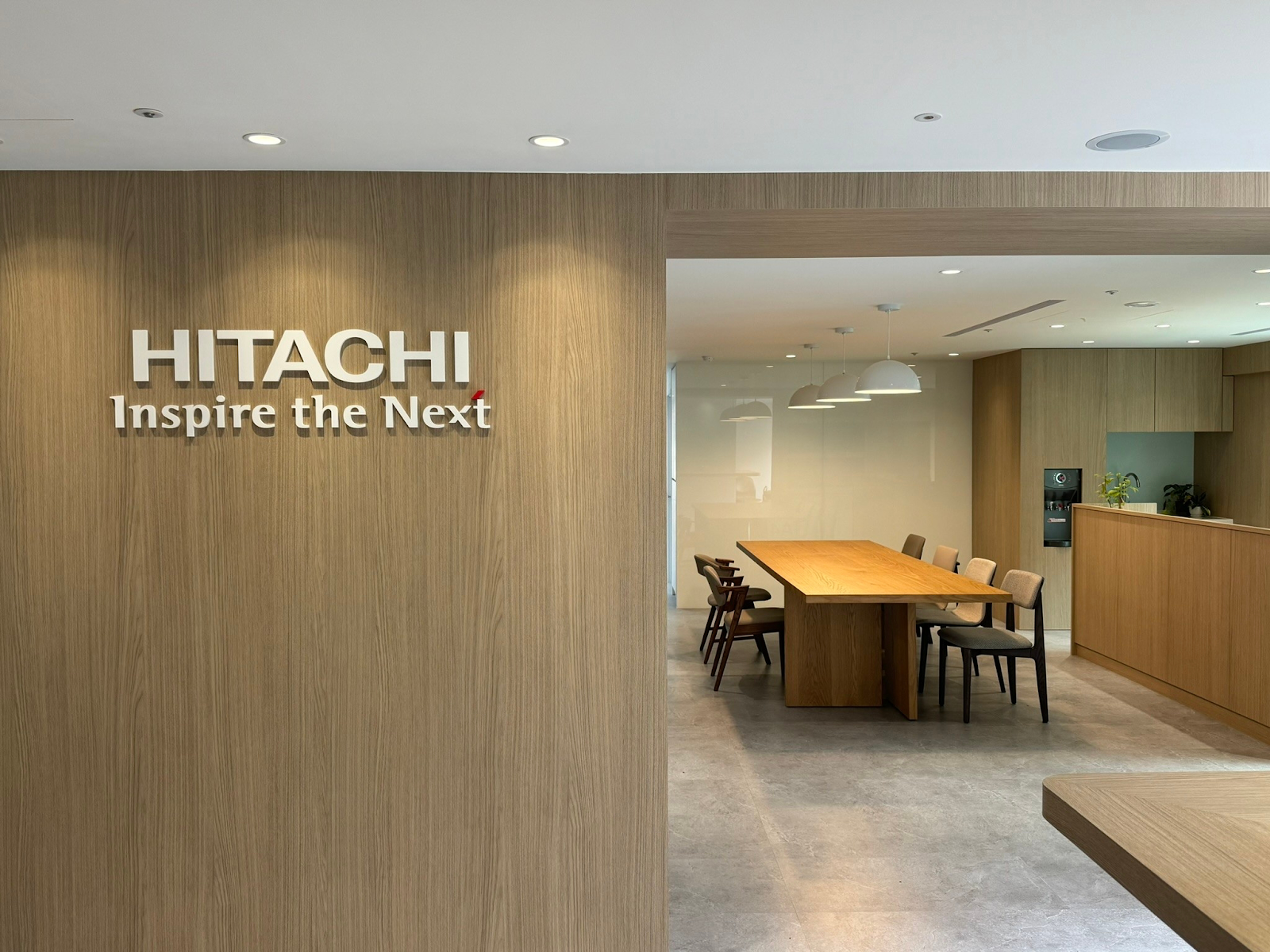
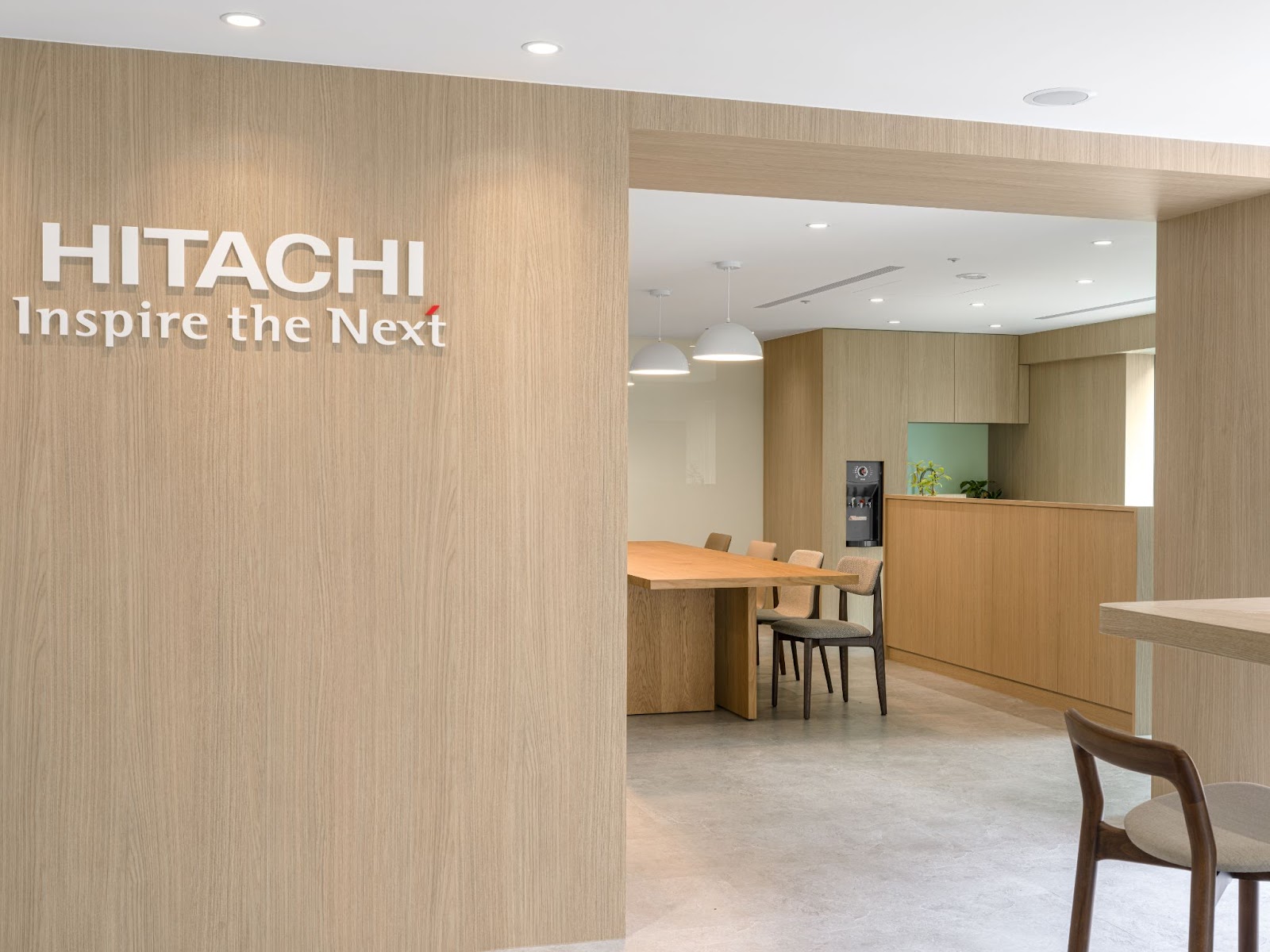
Hitachi Officeis one of B-STUDIO’s clients.HitachiThe office style adopts Japanese minimalist style. Here are 4 basic principles of office seating design:


1. Clear and specific partitions


Clearly defined zones, including work areas and public communication areas, as well as divisions for business and administrative departments, enhance work efficiency and team management. For example, Hitachi's offices utilize large work desks with clear partitions and distinct movement paths.


辦公室座位規劃


2. Smooth and easy traffic flow


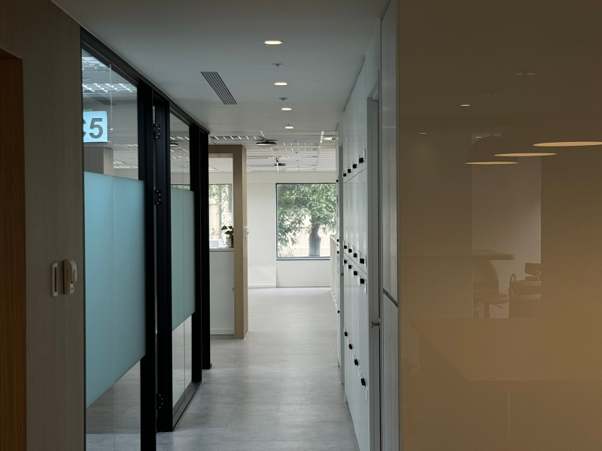
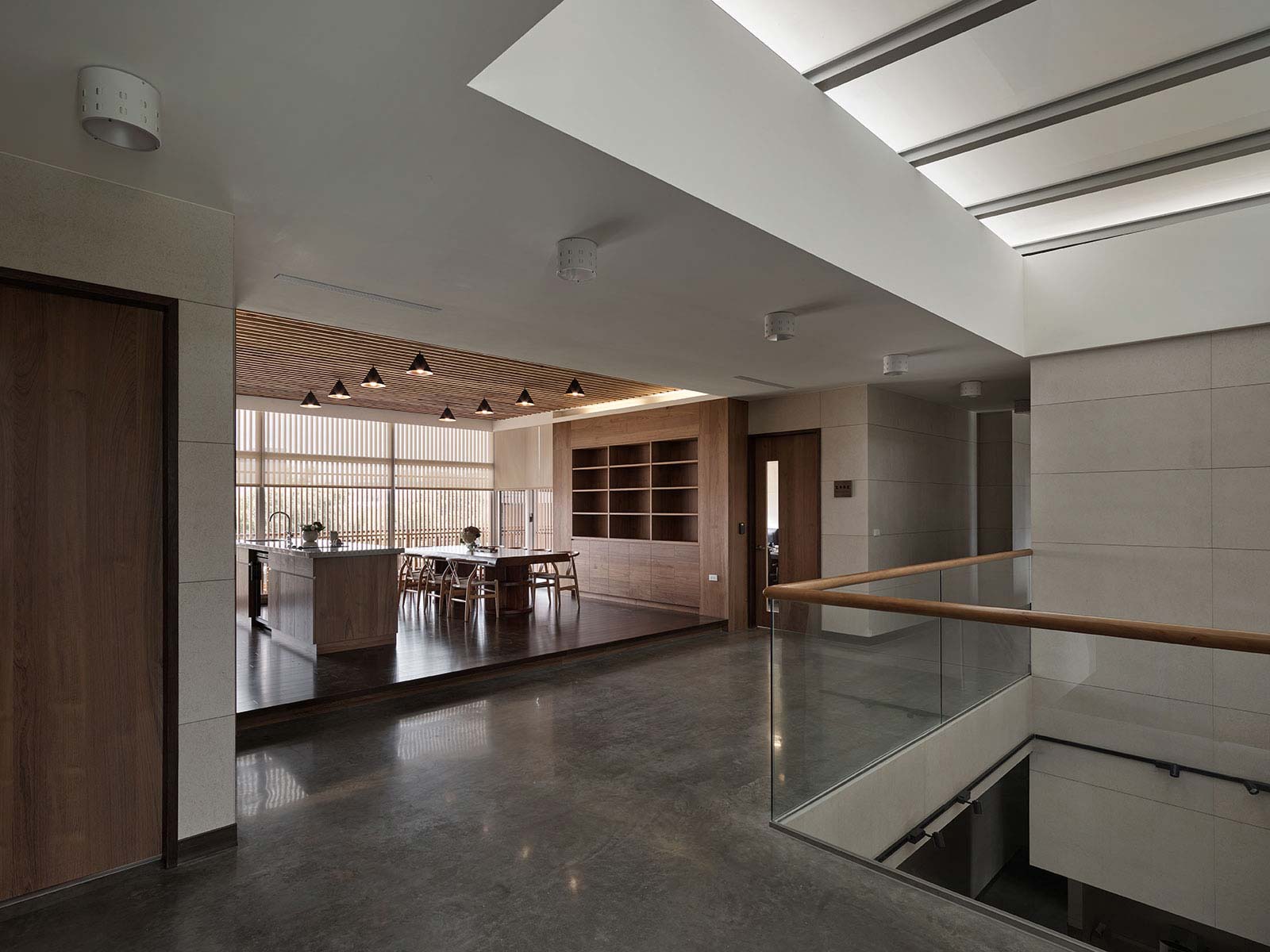
The circulation between areas and between seats is smooth and uncrowded, free of clutter and obstructions, creating a more comfortable experience. As can be seen in the photos above and below, the corridors and circulation between seats in Hitachi's office are very smooth and easy to navigate.


辦公室座位規劃原則


3. Adequate light and ventilation


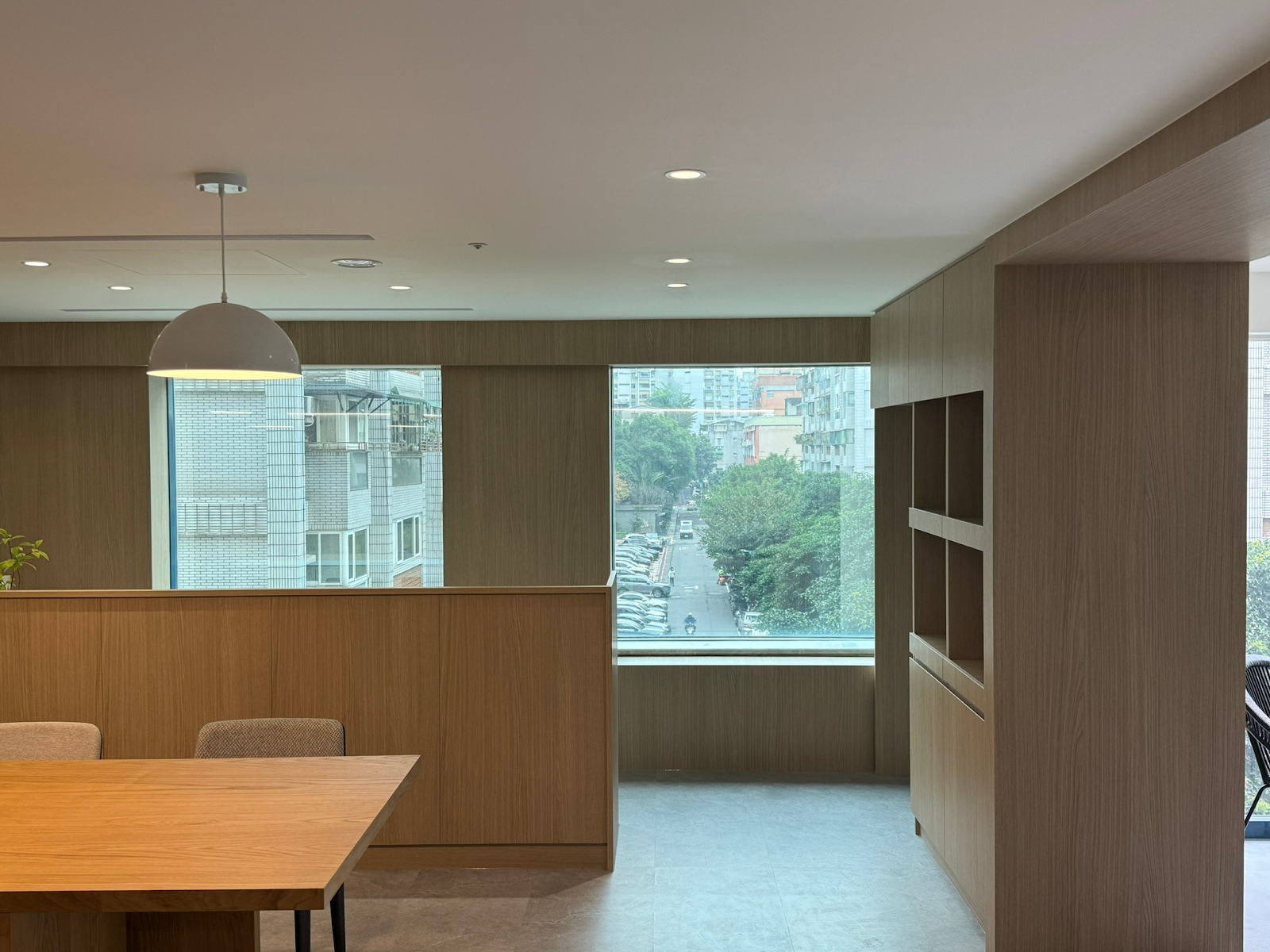
A dark office environment not only discourages employees from working but also makes them feel uncomfortable. Adequate lighting and ventilation can improve mood and engagement. As seen in the photo below of Hitachi's office, large windows allow for ample light and ventilation.


辦公室座位規劃原則


4. Maintaining spatial flexibility and openness


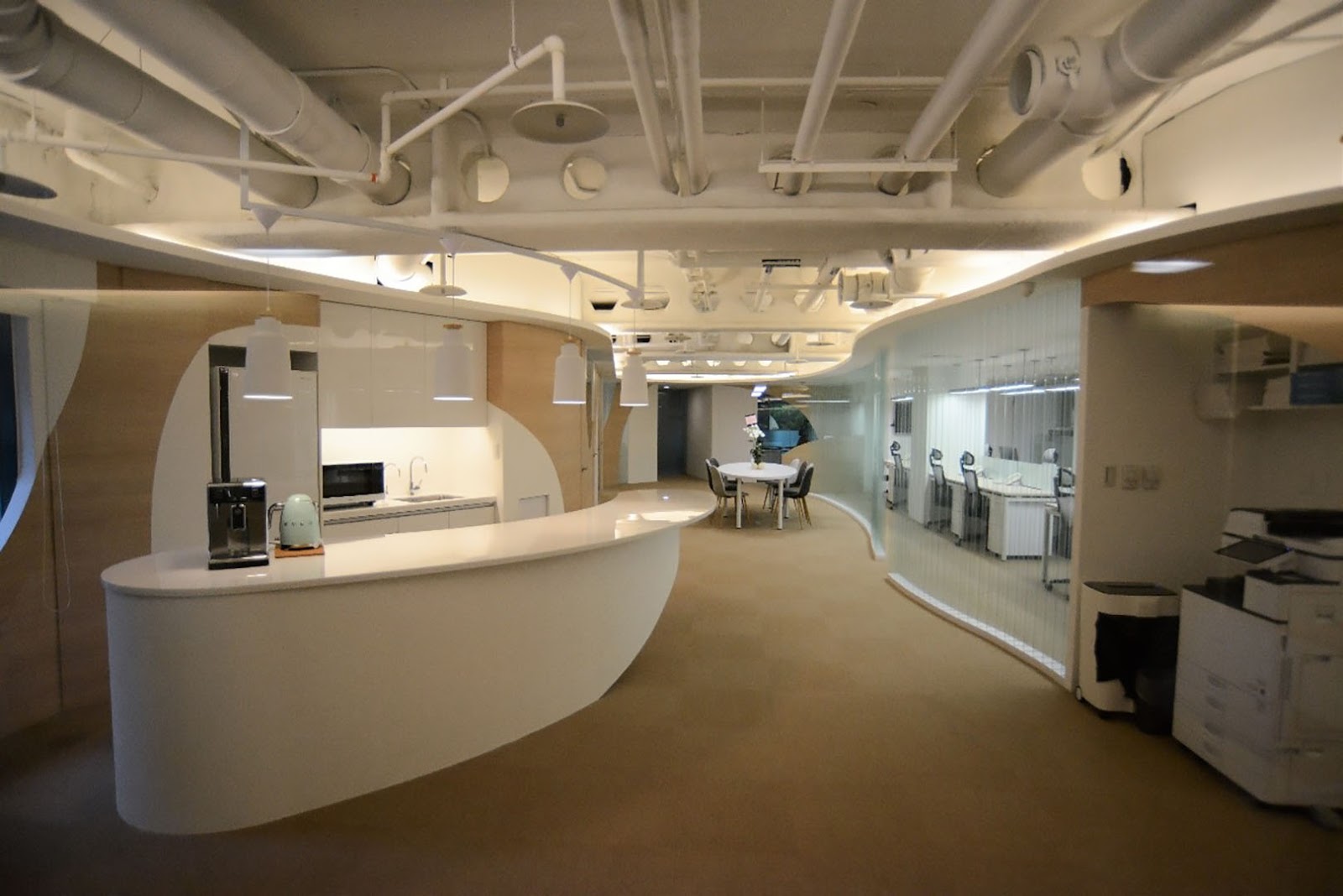
For example, while pantries are typically used to meet dietary needs, B-STUDIO sought to retain a degree of flexibility and openness in its design. The pantry can also serve as a space for team cohesion. Activities that previously required renting a venue, such as exhibitions, lectures, meetings, workshops, or dinners, can now be held in the newly designed pantry area, maximizing the pantry's value and allowing employees to recharge after work.


辦公室座位規劃


[Extended reading]How to design office decoration? Four major planning points to create a high-standard office space!


Common office layout diagrams and examples


Since the pandemic, remote and hybrid working have become the norm. Hybrid space design has spatial flexibility and efficiency, and can flexibly respond to different numbers of workers and usage needs. Therefore, hybrid office design has become popular.


B-STUDIO I once helped a small company plan a minimalist and hipster-style office space. Let's take a look at the office layout diagram below to see what the five elements of a hybrid design generally are.


辦公室配置圖

1 Upper left corner: outdoor rest/tea area


There are plants and seats, suitable for relaxation and informal communication.


2. Left center area: meeting room/collaboration area


Equipped with a large oval conference table and multiple chairs, it is suitable for meetings and brainstorming.


3 Middle area: open workspace


The workstations are divided into two groups, each group accommodating about 3 to 4 people, which is conducive to team collaboration.


4 Right: Storage area or high cabinet wall


This may be done by creating clear separations between file cabinets, storage rooms or structural walls.


5 Lower area: toilet and tea room


Clearly demarcate public and private areas to avoid interfering with work areas.


The mixed-use layout above demonstrates a smooth flow of movement. Entering through the main door, one can move to different spaces as needed, with clear zones for active and quiet areas, ensuring that meetings, work, and resting areas do not interfere with each other. Furthermore, a balance of openness and privacy is achieved: open workstations foster interaction while meeting areas offer privacy.


[Extended reading]Visit B-STUDIO's official website to see the small company's office style


Feng Shui Considerations for Office Desk Size


Let’s take a look at the above example of a small company office layout:


Office seating arrangement and design


The backs of the seats in the work area are mostly against the wall, which symbolizes "having a backer" and helps stabilize career fortune; the front is open and does not face the wall or aisle, which means that the career prospects are bright.


The centrally located meeting area facilitates brainstorming and resource integration. A rest area and plants on the left side invigorate the overall atmosphere and promote interpersonal harmony. Furthermore, the entrance is not directly facing employee seating, effectively avoiding "door clashes" and minimizing external distractions.


辦公桌尺寸風水


Desk size selection


In addition to affecting the comfort of use, the size of the office desk also symbolizes the stability and development of the career in Feng Shui.Traditional Lu Ban rulerThe width of the office desk is usually chosen between 120 and 160 cm, and the depth is about 60 to 80 cm. This size is ergonomic and falls within the "lucky number" range, which helps improve your fortune.


If the desk is too small, it symbolizes a limited layout and makes it difficult to express ambitions; while if the desk is too large, it may cause pressure and disperse energy.


4 Tips for Office Seating Design to Keep Good Talent


1. Lighting and lighting design to create a bright and comfortable office environment


辦公室座位設計


Glass can be used to bring in plenty of natural light. Besides its excellent light transmittance, it also creates a sense of spaciousness. Designing a lighting solution tailored to different functional areas can also help meet diverse lighting needs.


for example BLAB SPACE Architect’s flipped space That is, a large amount of glass is used to bring in natural light, and the outdoor space hopes that people can communicate easily and deeply in the natural urban atmosphere, and the night lighting design uses soft and warm light.


辦公室座位規劃


2. Style and color combination should not exceed 4 colors


It's recommended that your office's style and primary colors be no more than four to avoid visual clutter. We recommend pairing your company logo's primary colors with two to four primary colors, or using simple color schemes for pops of color. This will create a distinct office feel.


for example B-STUDIO Assistance Casemiddle,Gao LinThe main color of the office brand is bright orange, and the office is matched with several neutral colors to make the office feel full of vitality.


辦公室座位規劃
辦公室座位規劃


3. The supervisor's seat is located in an independent compartment or in the center of the field of vision.


The supervisor's seat is located in a separate cubicle, providing privacy and a focused space, ideal for handling confidential matters and high-level decision-making. It also symbolizes a secure position and a strong sense of leadership. In feng shui, a separate cubicle can gather energy and nourish the spirit, enhancing management effectiveness and a sense of authority.


for example Finnegan Foreign Law Firm Taipei OfficeBecause work requires intense focus and logical thinking, each colleague is provided with a dedicated corner, offering a place to relax, think, and settle down. Furthermore, a carpet with a moss motif is chosen, allowing greenery to spread along the walls, creating a natural path indoors.


辦公室主管座位
辦公室座位規劃


4. Use green plants to improve the atmosphere


Proper placement of green plants can not only activate the aura, but also increase the comfort of the environment.Songjiang style officeThe design uses fine iron-plated arcs to outline the lines of the jewelry box and the texture of the space, and is embellished with green plants, making the jewelry box the core highlight of the space among the greenery, waterscape, calligraphy and paintings.


Don't know where to start planning your office seating? Leave it to B-STUDIO, your top choice.


B-STUDIO We adopt a "people-oriented" architectural and interior integrated design approach. Our services include office design, factory interior design, factory design, and self-built office space. We have won numerous international awards. We are good at integrating brand values into office style and have nearly 20 years of experience in office design for foreign companies and listed companies. If you have any needs or questions, please feel free to contact us.Consultation and contact! Let’s create a brand new and high-standard office space together!


List of B-Studio office design and decoration cases

碳中和

What is Carbon Neutrality? Understanding Taiwan's 2030 ESG Green Building Net Zero Carbon Emissions Target


Taiwan officially announced in March 2022Taiwan's 2050 Net Zero Emissions Pathway Blueprint"As climate change caused by human activities becomes more and more serious, "carbon neutrality" has become a global focus.


To achieve the goal of carbon neutrality, in the field of construction,Operational carbon generated during constructionand Embodied CarbonGreen building design has become a key trend in the transformation of the construction industry in order to achieve near-zero carbon buildings or ESG-compliant buildings.


In this article, B-Studio will help you quickly understand what carbon neutrality means and its impact on the environment.


文章作者


What does carbon neutrality mean?


carbon neutralityIt refers to the total amount of carbon dioxide emissions directly or indirectly generated by a country, enterprise, product, activity or individual within a certain period of time. By using low-carbon energy to replace fossil fuels, afforestation, energy conservation and emission reduction, etc., to offset the carbon dioxide emissions generated by itself, the positive and negative offsets are achieved, and relative "zero emissions" are achieved.


There are generally three approaches to achieving carbon neutrality:


Carbon neutrality approach 1: Adopting low-carbon or zero-carbon technologies


This means reducing carbon emissions at the source, for example by replacing traditional fossil fuels with renewable energy sources like solar and wind power to lower CO2 emissions. In the long term, the goal is to ensure that all energy comes from low-carbon sources, balancing carbon release with the Earth's natural absorption rate.


Carbon neutrality approach 2: Carbon offsetting


When certain carbon emissions cannot be completely avoided, we can offset our own emissions by planting trees, conserving forests, or purchasing renewable energy certificates. In other words, we can help the Earth "reduce carbon emissions" elsewhere to balance our own emissions.


Carbon Neutrality Practice 3: Carbon Emissions Trading


Companies can meet their carbon neutrality needs by purchasing carbon credits. Simply put, "carbon credits" are the "right to emit carbon," usually calculated in units equivalent to one metric ton of CO₂ emissions. Industries can obtain carbon credits to comply with the Taiwanese government's carbon control regulations or respond to the carbon neutrality requirements of international supply chains and initiatives.


Taiwan established in 2023Taiwan Carbon ExchangeAssist enterprises to achieve carbon neutrality goals and strike a balance with industrial growth and development, and promote overall emission reduction efficiency.


Taiwan's carbon neutrality goal


In response to the increasingly serious climate change, countries around the world have set carbon neutrality target schedules, including the European Union, Japan and South Korea, which have pledged to achieve carbon neutrality by 2050. In Taiwan, the National Development Council announced in 2022 thatTaiwan's Path to Net Zero by 2025", and further announced new carbon reduction targets as follows:


  • By 2030, the country's net greenhouse gas emissions will decrease by 28±2% compared with 2005.
  • In 2032, the country's net greenhouse gas emissions will decrease by 32±2% compared with 2005.
  • By 2035, the country's net greenhouse gas emissions will be reduced by 38±2% compared with 2005.


inFor the construction sectorThe government has completed 2050 Net Zero Emissions Pathway and Related Measures Planning, so that the entire construction department can follow, the goals are divided into three stages, as follows:


  • 2030: New public buildings will achieve energy efficiency level 1 or near-zero carbon buildings.
  • 2040: 50% existing buildings will be updated to energy efficiency Class 1 or near-zero carbon buildings.
  • 2050: 1,00% new buildings and more than 85% buildings will be near-zero carbon buildings.


Understanding Net Zero Carbon Emissions


Also known as net zero emissions, net zero emissions does not mean no emissions, but rather efforts to minimize human-caused greenhouse gas emissions, and then offset them with negative carbon technologies, forest carbon sinks and other methods to achieve net zero emissions. The difference from carbon neutrality is that carbon neutrality focuses on the balance of carbon dioxide, while net zero emissions cover all greenhouse gases.


Net-zero building promotion


The "Net Zero Building" path covers four main driving axes, including:


Net Zero Building Task 1: Improving the Energy Efficiency of Newly Built Buildings


  • Establish a building energy efficiency assessment and labeling system
  • Encourage more buildings to apply for green building certification
  • Strengthen building energy efficiency regulations and control new public and private buildings


Net Zero Building Task 2: Improving the Energy Efficiency of Existing Buildings


  • Subsidize private sector efforts to improve energy efficiency of existing buildings
  • Gradually mandate energy efficiency improvements for existing public buildings
  • Promote energy-saving performance assurance projects
  • Encourage companies to include building energy efficiency in their corporate sustainability reports


Net Zero Building Task 3: Improve the Energy Efficiency of Appliances and Equipment


  • Improve energy efficiency benchmarks for household appliances in stages
  • Continuing assessment of the preferential tax reduction for goods
  • Amend apartment building management regulations to facilitate the installation of charging facilities


Net Zero Building Task 4: Research, Development, and Promotion of New Technologies and Methods for Building Energy Conservation and Carbon Reduction


  • Introducing innovative energy-saving technologies into buildings
  • Research and development of building carbon reduction methods and technologies


What is a carbon-neutral green building?

綠建築標章


Taiwan's construction industry accounts for 28.3% of the country's total energy consumption. To create an energy-saving, low-carbon, healthy and environmentally friendly living environment, the Ministry of the Interior has actively promoted green buildings for many years and established a green building label evaluation system.Green Building Label, and issued for buildings that have completed planning and design and obtained construction licensesCandidate for Green Building CertificateTwo items.


9 indicators for Green Building Label assessment


Large indicator group

Indicator name

Evaluation Key Points

ecology

1. Biodiversity indicators

Ecological green network, microbial habitats, plant diversity, soil ecology

2. Greening quantity index

Greening amount, CO₂ fixation

3. Base water retention index

Water retention, storage and infiltration, soft flood control

Energy saving

4. Daily energy saving indicators (necessary)

Energy saving for housing, air conditioning and lighting

waste reduction

5. CO₂ reduction index

CO₂ emissions from building materials

6. Waste reduction indicators

Earthwork balance and waste reduction

healthy

7. Indoor environment indicators

Sound insulation, lighting, ventilation, building materials

8. Water resource indicators (essential)

Water-saving devices, rainwater, and greywater reuse

9. Sewage and garbage improvement indicators

Rainwater and sewage diversion, garbage sorting, and composting


Green building grade


From qualified to the best, there are five levels: qualified, bronze, silver, gold, and diamond. In addition to being in line with international trends, this grading assessment system requires that in order to pass the assessment and obtain the "Green Building Label" or "Candidate Green Building Certificate", at least four indicators must be achieved, including two required indicators of "daily energy saving" and "water resources", and optional indicators of any two from the other seven indicators.


To learn more, read further:

A green building that coexists with the environment! What is a green building? Understand the characteristics, indicators and cases of green buildings


Embodied Carbon


碳中和綠建築指標_隱含碳


To achieve the goal of net-zero buildings, we must focus on the total carbon emissions of the building throughout its life cycle, which includes embodied carbon and operational carbon.Embodied carbon, also known as embodied carbon emissions, refers to the carbon emissions of a building during the four stages of production and transportation of building materials, construction, renovation and demolition..


Low Carbon Building Label


To encourage builders, architects, and related industries to invest in the construction of low-carbon buildings and reduce the carbon emissions of buildings during the production and transportation of building materials, construction, renovation, and demolition stages, the Ministry of the Interior's Building Research Institute has established a low-carbon building labeling system based on the internationally recognized EN15978 full life cycle building carbon footprint assessment standard.


Low Carbon Building Labeling System


There are seven levels from high to low: level one, level two, level three, level four, level five, level six, and level seven. Low-carbon buildings refer to buildings with a carbon emission labeling level of level four or above.


operational carbon


碳中和


Also known as carbon emissions, it refers to the use of building energy throughout its life cycle. In simple terms,Carbon emissions mainly come from the energy required to operate the building, such as lighting, water, electricity, etc.

Building Energy Efficiency Labelling

Ministry of the Interior Architectural Research InstituteTo improve the energy efficiency of Taiwan's buildings and help achieve the 2050 net zero building goal, the building energy efficiency is calculated using the Green Building Standard's daily energy-saving indicators, including the building's outer shell energy efficiency, air-conditioning system energy efficiency, and indoor lighting system energy efficiency, as a method for assessing building energy efficiency levels.

Building Energy Efficiency Labelling System

The energy efficiency rating of buildings is divided into levels 1 to 7 from high to low.

To learn more, read further:Green decoration embraces sustainable living: How to create a sustainable and comfortable living space through environmentally friendly material selection and energy-saving design?

What is a near-zero carbon building?

Buildings with a building energy efficiency rating of Level 1 and an energy efficiency score in the top 50% are considered near-zero carbon buildings and are designated Level 1+.In the future, buildings that achieve near-zero carbon building ratings will save about 50% energy, and the remaining electricity consumption will need to rely on renewable energy to achieve carbon neutrality and zero emissions, making them net zero buildings.

esg Architecture Trends

With growing awareness of environmental protection, social responsibility, and corporate governance (ESG), businesses are moving beyond a focus on economic returns and are actively addressing sustainable development issues. In line with this trend, a growing number of private enterprises are responding to government-driven green building policies and energy-saving and carbon-reduction initiatives, incorporating ESG principles into building design and operational management.

To learn more, read further:

ESG Guide | The office can also teach you how to implement corporate social responsibility through employee care, green energy and environmental protection!

Building a Sustainable and Low-Carbon Architectural Firm|B-Studio


B-Studio Our design concept is derived from the core values of nature, sustainability, health and green architecture. We uphold the aesthetic spirit of simplicity and pristineness, plan the overall space according to the circular context, and allow architecture and nature to coexist harmoniously to create a sustainable and low-carbon building.


How to choose a Taipei interior design company? Recommended residential/commercial design brands (2025 latest)

When choosing an interior design company, besides considering whether the design style is in line with taste, they also prioritize the interior designer's professionalism, construction quality, and efficient space planning. With the increasing number of construction spies in recent years, searches like "interior design recommendations" and "Taipei interior design company rankings" have become popular.


We recommend B-Studio, a highly regarded Taipei design firm. With over 20 years of experience and numerous design awards both domestically and internationally, they provide comprehensive, integrated space planning services. This article will introduce the 2025 ranking of high-quality interior design firms to help you find a professional and reliable design team.


How to choose the right interior designer?


Finding the right interior designer is not only about creating a beautiful space, but also about ensuring the design meets your specific needs. Here are five key points:


1. Do past cases match the needs?


When evaluating an interior designer, first consider their portfolio to see if they have experience with projects similar to your needs. For example, if you're looking for a residential design, it's important to check if the designer has relevant residential projects, particularly those with similar styles, sizes, or functional requirements. This experience is also crucial for selecting a commercial space or renovation project. If a designer can provide similar projects, you can gain an understanding of their design style, innovative capabilities, and precise execution.


2. Designer’s professional understanding and communication skills


Designers must possess a deep understanding of client needs and be able to accurately translate these requirements into specific design solutions. Excellent communication skills facilitate smooth interactions between designers and clients, ensuring that every detail of the design meets client expectations. During the construction process, a designer's coordination skills also ensure the smooth progress of the project.

3. Communication and budget control skills


Successful interior design relies not only on the designer's creativity but also requires strong communication, coordination, and budget management skills. A designer must be able to listen to the client's needs and accurately translate your ideas into a design blueprint, while also ensuring that the budget remains within reach. For example, a good designer will tailor material selection and planning to your budget and provide sound advice throughout the design process to avoid significant cost overruns.


4. Complete design process and engineering management capabilities


Design should not just stay at the drawing design, a good interior design company will provide a complete service, from concept design,Construction drawingsOur comprehensive services, including fabrication, material selection, and supervision and coordination during construction, ensure that the design plan is executed as planned and avoid errors or delays.


5. Design and practicality


Excellent interior design balances aesthetics and functionality. Designers must not only ensure the aesthetics of the space but also consider the practical needs of each space. Whether it's traffic flow planning or furniture configuration, it should make the daily lives of residents or users more convenient and comfortable.


住宅室內設計公司推薦
台北室內設計公司作品


How to choose a Taipei interior design company?


Taipei has a dense and diverse demand for residential and commercial space. Therefore, Taipei design firms generally have accumulated extensive practical experience and creative solutions in space planning and design techniques, with the following advantages:


The design level is internationally competitive


Many Taipei interior design companies have overseas design backgrounds or are recognized by international design awards. They are able to grasp global design trends while integrating local culture and practical needs.


Familiar with urban space challenges and needs


Taipei is often plagued by issues such as floor space restrictions, varying building heights, and structural issues with older homes. Professional Taipei design companies are experienced in handling these issues and can flexibly plan space functions, such as adding storage space, creating clear traffic routes, and improving lighting and ventilation efficiency.

The design style is diverse and trendy


From modern minimalism, Japanese Zen, and Nordic elegance to industrial chic and wabi-sabi aesthetics, Taipei design companies can create spaces with unified styles and meticulous attention to detail, tailored to clients' individual tastes. Not only are the designs exquisitely designed, but they also prioritize the texture of the materials and the overall living experience.


Competition among design companies is fierce, and quality is constantly improving


As Taipei is a densely populated battlefield for the design industry, design companies continue to improve their technology, creativity, and service processes in order to enhance their market competitiveness, thus promoting high levels of overall design quality and execution.


Service quality and customer communication skills


Excellent design firms prioritize client needs and provide tailored solutions. They deeply understand their clients' lifestyles, work requirements, and aesthetic preferences, and tailor their design solutions accordingly. Furthermore, designers should possess excellent communication skills, able to clearly articulate design concepts and effectively address client questions or changes in requirements throughout the design process.


Customer reviews and word of mouth


Interior design company rankings are often closely tied to client reviews. Reviewing online company reviews, case studies, and word-of-mouth can help you understand their design quality and service level. Highly ranked companies typically receive more positive feedback from clients, encompassing not only satisfaction with their design solutions but also their professionalism during construction and on-time delivery.


Case innovation and continuous innovation


Excellent design companies usually maintain continuous innovation in the design field and have a certain leadership position in the industry. They will regularly participate in international design competitions, and constantly absorb new technologies and concepts, keep up with the design trends of the times, and attach importance toSustainable Development,Green DesignSuch companies can often provide high-quality design solutions to meet the ever-changing needs of the market.


Taipei Interior Design Company Ranking and Features


When choosing a trustworthy interior design company, you should not only look at the brand awareness, but also have a deep understanding of the team's design logic, engineering quality and project management capabilities.


Market trends in 2025 indicate that consumers are placing increasing emphasis on the integration of design, functionality, and budget control. Below is a list of ten recommended Taipei design firms, compiled based on actual completed projects, client reviews, and their integration capabilities, for your reference and comparison.


Ranking

Design company name

Good at style

Features

1

B-Studio

Modern simplicity, functional integration

20 years of experience, integrated design and engineering, complete project planning

2

MOD Design

Nordic, Wabi-Sabi style

Expert in small-sized residential storage and the use of warm materials

3

Yuanjun Design WONDER WONDER

Loft Industrial, Modern Zen Style

Excellent grasp of space proportions and extensive experience in commercial space and old house renovation

4

Japanese space design

Natural log style

The home and parent-child space are carefully designed, making good use of natural light sources

5

Shangyi Interior Design

Luxury, modern minimalism

Luxury homes and high-end residential customers, good at large-scale space line configuration

6

Rezo Design

MUJI, modern functionality

Emphasis on storage and details, suitable for newlyweds and first-time buyers

7

HORAY DESIGN

Contemporary design, calm grayscale

Focusing on spatial rhythm and texture stacking, the works are mature and profound

8

Orange Interior Design

Mixed style, light industry

The commercial space has a strong style and many collaborations with catering and clothing brands.

9

Qingcheng Design

Retro, nostalgia and cultural fusion

The first choice for arty homes, with strong spatial context creation capabilities

10

Flanders Interior Design

Country style, classic European style

Customized furniture and shaped walls are well-detailed and have a complete texture.


Interior design recommendations B-STUDIO: Let your interior design no longer be difficult!


Let the professional team at B-STUDIO help. With nearly 20 years of experience in design and space planning, we specialize in providing innovative solutions to meet diverse client needs. Contact B-STUDIO for a professional assessment and tailor-made solution, ensuring every detail meets your expectations.


B-STUDIO Advantages:

  1. Comprehensive design services

He is good at combining brand marketing positioning, and has floral, landscape, graphic design, etc. He pays attention to design concepts and considers the needs of customers.

  1. Innovation advantage

Nearly 20 years of design experience have laid a solid design foundation and won numerous awards at home and abroad.

  1. Use green building materials

With "green" and "nature" as the central ideas, we attach great importance to environmental protection and sustainability.

  1. Construction Director

He is good at sorting out complex problems with simple techniques, narrating space with unique storytelling, interpreting space with nature as his teacher and adapting to the environment, highlighting the advantages of space in the five senses, and creating in a limited space. Give the greatest possibility.


B-Studio Office Interior Design Case Studies

What is well certification? Learn about the standards, grades and costs of well international healthy building certification

existepidemicAfter that, people-orientedSustainabilityThe concept began to gain attention.wellcertificationIt first launchedInternational Healthy Building CertificationIn order to provide clearer standards for healthy buildings, this article will introduce what is well certification, as well as the standards, grades and certification fees of well certification. It will also share the well healthy building certification inThe case of Taiwan.


How to create sustainable and healthy buildings is the goal of everyone's efforts.B-StudioWe have laid a solid foundation in architecture, interior design and space, and in addition to providing clients with designs that best meet their requirements, we are committed to building a more inclusive environment.


文章作者


What is the well international healthy building certification?


What is well certification?


Well International Healthy Building Certification is the first building assessment standard that takes people as the basis, considers the interaction between people in the interior space of a building, and how to improve the health and well-being of building users in the building. After seven years of research and dialogue, it was established by experts from various fields around the world.well v2Through up to10 topicsEnsure the indoor health quality of building users. Today, the international community's concept of sustainable development has gradually moved from the green building era to the healthy building era, and the well certification is a building assessment certification based on people that complements the green building certifications that were not included in the past.


The establishment of well certification


Well certification was first proposed by Delos in 2013, a real estate service company based in New York. Later, well certification was transferred to IWBI for management. In 2014, GBCI began to serve as a third-party certification unit and launched the first version in the same year. Well v1 focused on seven major themes such as air, water, and light. The second version of well, which was officially launched in 2020, was affected by the epidemic era and the testing items were extended toTen themes, hoping to pay more comprehensive attention to human health and well-being.


What does the well International Healthy Building Certification 10 Standard focus on? Grades and costs?


The well v2 certification standard is divided into 10 topics: air, water, nutrition, light, movement, thermal comfort, acoustic environment, materials, spirit and community. The following will introduce the content of each topic test and the reasons for paying attention to it:


wellCertification Standard 1: Air


People spend about 90% of their time in a closed space. Indoor air pollution can also affect human health. Well v2 Air Theme not only focuses on air quality, ventilation system,Contaminant penetration managementAnd so on, which is also the basis for its rating.


Well certification standard 2: water


The quality of drinking water also affects the prevalence of infectious diseases. In addition to taking care of the drinking water provided to users, the heating and cooling systems, bathroom facilities and even the internalhumidity, all must be tested.


Well Certification Standard 3: Nutrition


Healthy eating habits have the potential to prevent diet-related diseases, such as cardiovascular disease, hypertension and diabetes. The food provided in the building is also a project for the well v2 certification audit. Can it allow building users to obtain a more balanceddietIntake is also the focus of healthy buildings in the new era.


wellCertification Standard 4: Light


Studies have shown that in office environments, bright light is closely related to employee performance. The brightness and location design of indoor lighting systems, or circadian rhythm lighting design, are key to making indoor spaces more comfortable.


Well Certification Standard 5: Sports


In recent years, people's lack of physical activity has also become a focus of public attention. Therefore, the architectural environment will also respond to this issue and build buildings into tools that can improve health and encourage building users to increase their physical activity, such as promoting exercise through architectural space planning and reducing static behavior, or providing places where standing and sitting can alternate.


well certification standard 6: thermal comfort


Thermal comfort refers to satisfying personal preferences for thermal environment through the design and control of heating systems.Improve work efficiencyAccording to research results, employees' work efficiency decreases by an average of 15% in an overheated environment, but in an overcooled environment, the average work efficiency also decreases by 14%.


well certification standard 7: acoustic environment


When the human body is overexposed toNoise environment, will increase the incidence of myocardial infarction. Even if there is not often excessive traffic noise in the building space, the noise of air-conditioning pipes, household appliances, and other residents in the building will also affect the user's comfort. How to design a comfortable sound environment space is a big challenge.


Well certification standard 8: materials


Whether in construction, decoration, operation or renovation, the materials used and the chemicals contained therein exist in the building, affecting users over the years and causing these toxic substances to accumulate in the human body, causing health problems for building users. Well v2 will also review the materials used in buildings and the management mechanism of indoor hazardous materials.


Well Certification Standard 9: Spirit


Mental illness has become a major health problem affecting people today. How the architectural environment can alleviate users’ mental stress through policies and design is also a project that needs to be considered. Creating a healthy and positive working environment can relieve employees’ anxiety andDepressionNegative emotions can also effectively improve the work quality of employees.


Well Certification Standard 10: Community


A community is a network of people gathered in a building space. In this network, people of different identities, genders and races are formed. How to provide an inclusive space and policy is the focus of this theme. For example, through a nursery or parental leave, a more supportive working environment is provided for parents.AEDFirst aid equipment such as emergency weapons are also very important for collective safety in emergencies.


How are the well certification levels divided?


Well v2 authentication is divided intoFour levels, respectively Bronze, Silver, Gold and Platinum. Bronze is a new level added in v2. The 10 themes mentioned above are used as scoring standards. Each theme can get up to 12 points, and the total score is 100 points. In addition to the above themes, there is an additional creativity standard. This scoring system, except for the Bronze level, has a minimum score that must be obtained in each theme.


How to calculate the certification fee?


well certifiedSquare FeetTo do the calculation, you must first pay aMembership registration feeThe fee is $3,000. The membership can be maintained for three years. After that, it is calculated based on the evaluation area, and it costs $0.16 per square foot. If the building needs to be re-certified after three years, the fee per square foot will drop to $0.05. The reason why the well certification fee is higher is that its evaluation criteria must bePersonnel actually arrived at the siteInspection, and then provide it to a third-party agency for testing.


Why do Taiwanese buildings need the well-healthy building certification?


The purpose of well certification is not only sustainable development!


Sustainable development is no longer limited to green buildings. Human health and well-being is also a major principle that is valued today. Under the consideration of various topics, well certification can not only provide a more comfortable and healthy environment for working employees and customers using the building, but also increase the reputation of the building itself and enhance the building's value in the market.


  1. Improve employee productivity

Many research reports point out that a comfortable working environment can help employees improve their work efficiency and enable the operating company to achieve higher achievements. A good environment can also enhance the corporate image.


  1. Provide customers with a more comfortable and healthy environment

For long-term care and confinement centers, customers need to live in the building for a long time, and the quality of the environment will directly affect customer satisfaction. Through the well healthy building certification, customers will have more confidence in the quality of the service agency when making a choice.


  1. Increase the value of the building in the market

When a building is well-certified,Enhance the value of the building itself, and in the marketIncrease rental rates, while also reducing the operating costs of the building.


WellHealthy Building Certification Ratio and Trend in the World


In 2016, well certification has been used by more than 200 projects across 21 countries. By 2024, as many as 130 countries have participated in the certification, and the number of buildings receiving certification has reached 74,000. In recent years, many buildings in Taiwan have also attached importance to well certification, such asTaipei 101In 2023, it obtained the platinum certification of well healthy building with the highest score, making its building always favored by enterprises in the fiercely competitive commercial office market in Xinyi District.


B-Studio|Building a sustainable and healthy future for you


B-StudioWith nearly 20 years of design experience, B-Studio has accumulated outstanding works in architecture, interior design and space design, and has won numerous international design awards. B-Studio takes nature, sustainability, health and green architecture as its design concept, and restores the appearance of life for users with simple and rustic design. It has a design team of floral art, landscape design, graphic design, etc., and also provides customers with the most comprehensive design services.


If you have any needs or questions,Welcome to consult and contact us!


B-Studio Advantages


  • Sustainable and healthy design concept: The design concept of sustainable development provides a longer-term design vision for the building
  • Integrated service: From building exterior, interior to furniture, providing unified window communication to simplify cumbersome construction processes
  • Comprehensive design services: We have teams in floral design, landscape design and graphic design to provide customers with more complete and comprehensive designs.


Further reading:

Lighting and ventilation have many benefits. Here are six designs to create an anti-epidemic space.

Let Feng Shui bring you luck, seven designs to bring you good luck


References:

WELL Building Standard – Wikipedia

Taipei 101 sets the highest WELL score record! The world's tallest healthy green building is in Taiwan | United News Network

Attending the Taipei 101 "WELL Healthy Building Platinum Certification" awarding ceremony, Vice President of the Long-term Encouragement to Continue to Implement Energy Conservation and Carbon Reduction and Create a Circular Economy


ONLINE CONSULTING / Online consultation form

https://reurl.cc/lzD09j

https://reurl.cc/o87973

https://reurl.cc/OYvXVg

https://reurl.cc/pa6mZd

B Studio Award-Winning Architectural Design

How to create a Nordic-style office? 4 essential elements to create an ideal working environment

In the fast-paced urban life, we spend about one-third of our time in the office every day, so more and more people are beginning to pay attention to the impact of the working environment.Nordic style is known for its natural, bright and practicalInterior designConcept has become a popular choice for office design in recent years.


This article was contributed byB-StudioShare several selected "office design cases" and "Nordic style office cases" to inject new inspiration into your ideal office. 


文章作者


What is Nordic style?


The Nordic style originated from Nordic countries such as Sweden, Norway, and Finland. Due to the long winters and short sunshine hours there, the home space pays special attention to lighting and comfort. This design style is based on natural light, warm materials and minimalist lines, allowing people to feel open and relaxed indoors. A common practice is to retain large windows, use large areas of white or light-colored walls, and match them with simple and neat furniture and natural materials to make the overall space more comfortable and warm.


Essential elements for a Nordic-style office


Nordic office features 1: natural light and bright space


Nordic-style offices usually don’t block out too much light, but rather focus on bringing in natural light. Large windows bring in light during the day, while simple-design, soft-light lamps are used at night to keep the overall atmosphere bright but not glaring.


Nordic office feature 2: practicality and aesthetics


The furniture is mainly simple and practical, but at the same time it focuses on design. We try to use "subtraction" as much as possible in the space, removing unnecessary decorations to create a neat feeling for the overall environment.


Nordic office features 3: Incorporating natural elements and greenery


Extensive use of natural elements such as wood elements and natural fabrics as decorations, and appropriate amounts of green plants are added to create a warm atmosphere.

  • Wood elements: Solid wood floors, wooden partitions, wooden furniture (such as tables and chairs, side tables, storage cabinets), etc.
  • Natural fabrics: Linen sofa covers, curtains made of cotton, linen or tulle, wool blankets or rattan storage baskets, etc.

Nordic office features 4: simple lines and low-color colors


The color scheme is usually based on white, gray, beige and wood color, emphasizing the stability and calmness of the space. If embellishment is needed, non-glaring natural colors such as dark blue and dark green will also be chosen.


Nordic style office space traffic planning skills


北歐風辦公室設計


The Nordic style not only pursues visual simplicity, but also attaches great importance to the fluidity of space use. Good traffic planning can make the office environment more orderly and improve overall work efficiency. Here are some traffic planning tips:


Open layout, enhanced liquidity


Reduce physical compartments:

Try to avoid thick walls, and instead use glass screens, low cabinets, movable partitions, etc. to divide the space so that the line of sight can penetrate and the movement lines are more natural.


Open Aisle Design:

It is recommended that the width of the passage be maintained at 90-120 cm to avoid crowding or excessive winding. It can be matched with low furniture to maintain a sense of open space.


Natural light guides the flow of traffic


Integrate daylighting with usage paths:

The main work area is configured with window lighting, and the direction of light is consistent with the flow of people, which improves comfort and spatial continuity.


Classification by material or planting:

Wooden floor textures, ceiling lines, green walls or lighting arrangements can all be used to naturally guide walking routes.


Natural connection of functional areas


Connect each functional area smoothly:

The meeting area, tea area and work area are connected to each other to avoid dispersion, improve space utilization efficiency and make the traffic flow natural and smooth.


Integrate storage along the movement line:

Designing the storage system on both sides of the traffic line or in the corner area not only saves space but also avoids visual clutter, making the overall traffic line cleaner and more refreshing.


Different Nordic office design styles


In order to adapt to the space conditions, when doing interior design, the Nordic style is often combined with other styles to develop more diverse forms of expression. Such a design not only retains the original simplicity and naturalness of the Nordic style, but also meets the preferences of different users. The following are 4 common types of Nordic style extensions:


Modern Nordic style


Based on the classic Nordic style, the modern Nordic style adds a stronger sense of lines and urban elements. Black iron pieces, glass partitions and minimalist furniture are commonly seen in space design, paired with light wooden floors and large areas of white space, showing a refreshing yet individual tone, which is suitable for offices or commercial spaces with a strong sense of urbanity and creativity.


Warm Nordic style


The warm Nordic style pays more attention to the emotion and comfort of the space. It often uses softer warm colors such as beige, milk tea color, light wood color, etc. as the main axis, and matches cotton and linen fabrics, soft carpets and handmade accessories to create a warm and comfortable atmosphere. It is very suitable for small office spaces, rest areas or tea rooms that want to create a warm and relaxing atmosphere.


Japanese Nordic style


The Japanese Nordic style combines the simplicity of Nordic style with the tranquility of Japanese style. The colors are mainly natural wood color and white. Japanese-style natural materials, such as tatami, bamboo, rattan or stone elements, are added to create a natural beauty. The overall atmosphere is more Zen, which is suitable for office areas, reading spaces or informal meeting rooms that require a calm atmosphere.


Industrial Nordic style


The design combines the simplicity and naturalness of Nordic style with the rugged texture of industrial style to form a warm industrial atmosphere. The design often features exposed open air flowers, gray cement walls, iron and dark wood, which are in balance with the simple lines and natural light of the original Nordic style. It is suitable for entrepreneurial teams or cultural and creative spaces that focus on brand attitude and pursue unique style.


Nordic style office case


NT$+Xiaoshiyuan


北歐風辦公室案例
北歐風辦公室案例


Xiao Shao Yuan uses warm lighting, natural lighting, a lot of wood-tone furniture, and adds green plants to create a warm and comfortable relaxing space in the commercial space.


Hitachi Office


日式北歐風辦公室案例
日式北歐風辦公室案例


Hitachi's new office space design combines open, bright and comfortable elements. The tea room is designed to be the core of employee communication and is equipped with flexible tables and chairs, allowing colleagues to relax freely and enhance interaction with each other.


More office design cases of different styles


He Le Music


北歐風辦公室案例


The curved wall is like a musical note flowing inside; the transformation of each space is the imagination of a new movement; the office space is allowed to have different levels and interfaces, and independent areas surround the flowing public space. Working in this space feels like being in music, enjoying the joy and unlimited imagination brought by each piece of music!


The style of the entire office combines a lot of wood tones and a bright and light atmosphere. The ceiling is not covered with pipes and is modified with trims to bring a sense of industrial innovation. It is a mix of Japanese and Nordic styles combined with industrial style.


E Ink Holdings Incorporated


辦公室設計案例
辦公室設計案例


Combining German modern industry with Nordic new industrial style, advocating the concept of environmental sustainability, and integrating the cultural heritage of oriental papermaking, we create a simple and neat space for E Ink Technology.


Create an ideal office with B-Studio


B-STUDIO We are deeply rooted in the concepts of nature, sustainability, health and green architecture, and use a simple and rustic style to adapt to the environment and configure space, meeting the needs of modern enterprises for sustainable development. It has outstanding works in the fields of architecture, interior and space design, and has won many international design awards such as the German IF Design Award, the Italian A' Design Award, and the Japanese GOOD Design Award, proving its outstanding strength.


B-STUDIO's professional team has nearly 20 years of rich experience and can deeply understand the needs of different owners, industries and brands. Through meticulous communication, they optimize every design detail to ensure that customer expectations are perfectly presented. Limited space, unlimited possibilities


Contact B-STUDIO now, let us design an ideal office space that is efficient, open, and highly functional for you!


/ Browse more design works of B-STUDIO / https://www.b-studio.com.tw/tw/works/


/ Extended reading / Don’t ignore office laws! Create a comfortable and efficient office space with average area per person... 4 basic rules for lazy people

ONLINE CONSULTING / Online consultation form

https://reurl.cc/lzD09j

https://reurl.cc/o87973

https://reurl.cc/OYvXVg

https://reurl.cc/pa6mZd

List of B-Studio office design and decoration cases

[Office Layout] How to plan? 2 steps to teach you how to create a comfortable and efficient office space configuration!


The office is the face of a company. Good office space planning can not only showcase the corporate image, but also help improve employee work efficiency and the overall atmosphere. Whether it is office layout planning, seat planning, seat feng shui, or office partition design, every detail may affect the company's operating efficiency.


B-Studio With rich experience in architectural design, he is good at integrating the overall office configuration with the corporate style to create an ideal working environment that combines functionality and beauty., this article will help you quickly understand how to create a comfortable and efficient office space.


文章作者


The first step in building an office | Large-scale space planning


Space planning isofficeThe first step of the design process is to plan according to the size of the enterprise, organizational structure and operational needs. This will determine the division of the overall area, such as the configuration of each functional area, the spatial proportion and the traffic flow arrangement of each area. The following are three key points of space planning:


1. Spatial analysis:


Assess the size, dimensions and natural light of existing spaces to better understand which areas are suitable for planning as primary work areas, meeting rooms or public spaces. It can also identify potential limitations in advance, such as beam and column obstruction, awkward traffic flow or uneven lighting, which can serve as a basis for subsequent design adjustments.


2. Zoning Planning:


Clearly divide the office into appropriate spatial functions, such as office areas for each department, supervisor's office, meeting space, storage area or rest area, etc. When planning, try to avoid dead corners to improve the overall space utilization efficiency.


3. High spatial flexibility, easy for future expansion or adjustment:


When planning on a large scale, sufficient flexible space should be reserved so that the office can quickly adjust the seating arrangement or area usage when the office increases manpower, reorganizes departments or changes work patterns in the future, thereby reducing modification costs and maintaining flexibility in space use.


The second step in building an office | Layout planning


After confirming the large-scale space planning, the next step is to make detailed layout planning. Every small place will affect the overall user experience. If the layout planning is done well, the space will be more comfortable and the employees' work status will naturally be more efficient. The following are three key points of layout planning:


Traffic flow planning:


The traffic flow between areas should be clear and smooth so that employees will not be disturbed or hindered when moving between spaces. At the same time, the collaboration needs and privacy between departments should be taken into account to avoid high-flow areas interfering with work areas that require concentration.


Arrangement of light and visual movement lines:


Make good use of natural lighting and arrange open areas or public spaces in locations with better lighting conditions, which can not only improve working comfort but also help save energy. At the same time, pay attention to the smoothness of visual traffic lines. You can use glass partitions or transparent materials to make the overall space look more spacious, bright and layered.


Meet the needs of different departments:


Exclusive space configuration is planned according to the needs of each department. For example, the business department needs an open discussion area, the design department needs a quiet and highly focused working environment, and the management team may need an independent office space. Through tailor-made design, each department can maximize its efficiency in the most suitable space.


You may want to know more:Don’t ignore office laws! Create a comfortable and efficient office space with average area per person... 4 basic rules for lazy people


Office partition design


To divide the space well, partition design is essential. According to the use requirements of different spaces, choosing the appropriate partition form can more clearly define the functions of each area. The following are three partition design points:


Spacer Material:

Choosing appropriate partition materials according to the functions of different areas can not only effectively soundproof, but also take into account aesthetics and functionality. For example, meeting rooms need to choose materials with good sound insulation effects to prevent external interference during meetings; while rest areas or tea rooms can use glass partitions with good light transmittance, which can maintain the open feeling of the space and create a relaxing and comfortable atmosphere.


Preserve natural lighting:


Partition design should retain natural light sources as much as possible so that light can be evenly distributed throughout the space. Transparent or translucent materials can be used to create partitions to reduce the feeling of oppression.


Movable compartments allow for future flexibility adjustments:


By using movable partitions, the space pattern can be flexibly changed according to needs, allowing the office layout to remain flexible at all times and reducing subsequent reconstruction costs.


You may want to know more:How to plan office partitions? Learn about office partition regulations, costs, and designs in one article!


Office Seating Planning


Choose a suitable seating layout based on department functions and work needs. For example, open seating is suitable for teams that promote communication and collaboration, while independent offices or semi-open seating are suitable for workers who need to concentrate or maintain privacy.


Three seating configuration tips:


  • Appropriate distance

Maintaining a moderate distance between supervisors and employees can avoid a sense of oppression and also allow supervisors to maintain privacy.


  • Adequate seating space

There should be enough space for movement between seats to avoid crowding and inconvenience.


  • Configurable visual occlusion

Use movable partitions to separate seats to reduce interference and distraction, but the partitions should not be too high to avoid a sense of oppression.


Common seating configurations:


  • Team Group

Arranging seats in groups helps promote instant communication and collaboration among group members.


  • I-shaped layout

The seats are arranged in a neat and consistent horizontal or vertical arrangement, which not only saves space but also looks simpler and more orderly visually.


  • L-Shape / U-Shape Configuration

Provides more desktop space, suitable for operating multiple screens or documents at the same time.


Office Seat Feng Shui


In Chinese culture, Feng Shui plays an important role in guiding the energy of a space. Feng Shui is not completely superstitious, but also a kind of experience passed down over the years. The following are some common Feng Shui suggestions for seating:


Office Feng Shui 1: Having someone to lean on


For example, walls, partitions or cabinets can enhance the sense of security, provide employees with a stable support while working, reduce anxiety and improve work efficiency.


Office Feng Shui 2: Avoid facing the entrance


If the door is facing you, there will be a door conflict, which will make it difficult for you to sit still and always want to run outside, which will easily lead to conflicts or distractions.


Office Feng Shui 3: Keep a clear view ahead


It symbolizes a bright career prospect. If there is an open space in front of the seat, it means there are more opportunities and room for development, which helps to stimulate creativity and enhance work motivation.


Office Feng Shui 4: No beams or columns


If there are beams or pillars above your seat, it will give you a sense of oppression. Staying in such an environment for a long time will cause physical and mental discomfort, affecting work efficiency and mood. Therefore, you should avoid having conspicuous beams or pillars above your seat.


Create a unique corporate style | Overall office configuration


The overall configuration includes furniture selection, lighting design, color matching and decoration style. These elements can show the corporate culture and image. For example, a technology company can choose a minimalist and cool color scheme, while a design company can inject creative colors and material changes. The integration of details determines the overall atmosphere.


Unified decorative style


Furniture style, lighting selection and color scheme should be consistent to avoid style confusion and make the overall space more coordinated.


Brand elements integrated into space


Brand recognition can be enhanced through corporate logo colors, wall slogans, customized furniture or display areas, and corporate culture can be integrated into space design so that visiting customers and employees can feel the company's personality and values.


Aesthetics and practicality


Configuration design should not only look good, but also meet actual usage needs, such as choosing ergonomic desks and chairs to improve employee comfort and work efficiency.


You may want to know more:Office design case summary, must-see 3 popular styles and 6 decoration key points to create a sense of order in the space (latest in 2025)


Want to create a comfortable and efficient office | B-STUDIO designs it for you!


B-STUDIO We are deeply rooted in the concepts of nature, sustainability, health and green architecture, and use a simple and rustic style to adapt to the environment and configure space, meeting the needs of modern enterprises for sustainable development. It has outstanding works in the fields of architecture, interior and space design, and has won many international design awards such as the German IF Design Award, the Italian A' Design Award, and the Japanese GOOD Design Award, proving its outstanding strength.


B-STUDIO's professional team has nearly 20 years of rich experience and can deeply understand the needs of different owners, industries and brands. Through meticulous communication, they optimize every design detail to ensure that customer expectations are perfectly presented. Limited space, unlimited possibilities


Contact B-STUDIO now, let us design an ideal office space that is efficient, open, and highly functional for you!


/ Browse more design works of B-STUDIO / https://www.b-studio.com.tw/tw/works/


/ Extended reading / Don’t ignore office laws! Create a comfortable and efficient office space with average area per person... 4 basic rules for lazy people

ONLINE CONSULTING / Online consultation form

https://reurl.cc/lzD09j

https://reurl.cc/o87973

https://reurl.cc/OYvXVg

https://reurl.cc/pa6mZd

List of B-Studio office design and decoration cases

What is green design? Analyze the definition, principles and innovative applications of sustainable design

As global environmental problems intensify,Green DesignNo longer just a trend, but a driving forceSustainable Developmentimportant criteria. How to integrate environmental protection concepts into architecture, product design and daily life? Do you think that simply putting green plants in a space can be called sustainable design? This article will beGreen building expert B-Studio In-depth analysis of the core concept of green design, from itsOrigin background, design principles, practical examples, taking you to explore how green design can change our lives and future.


文章作者


The origin of green design: from environmental awareness to sustainable innovation


1960s: The rise of designers’ social responsibility


Green design originated in the mid-20th century by American design theorists. Victor Papanek In the 1960s, a book titled Design for the Real World was published, which clearly proposed for the first time that design should aim to reduce the impact on the environment rather than simply pursue commercial value, officially opening the prelude to green design.


1970s: Energy crisis and rising environmental awareness


In 1972, the United Nations held the "Conference on the Human Environment" in Stockholm, Sweden, and issued the "Manifesto of Humanity", which represented the first time that environmental issues received international attention. The oil crisis in the 1970s made people realize the limited nature of resources. Countries began to pay attention to resource conservation and energy efficiency, which led to the further development of the concept of green design.


Late 1980s: Green consumption and design return to moral responsibility


In the late 1980s, environmental pollution, ozone layer depletion and global warming emerged, and the European and American societies were in a state ofGreen consumption"wave. Consumers are beginning to pay attention to the environmental attributes of products, and companies are investing in sustainable development technologies, driving the rise of "green products." The design community has also re-examined its own role, emphasizing circular economy, resource efficiency and ecological sustainability, and incorporating these concepts into design practice.


1990s to present: From trend to standard, green design becomes a global consensus


Since the 1990s, the United Nations and governments have successively formulated sustainable development policies, such as the United Nations SDG12"Responsible consumption and production" goals, and the EU's ESPRThe "Sustainable Product Eco-Design Specification" has transformed green design from a designer's personal ideal into a global industry standard, promoting design towards a more efficient, environmentally friendly and sustainable direction.


Green design definition, what is the difference between it and sustainable design?


Green design is aEnvironmentally friendlyA thoughtful design approach that emphasizes reducing resource consumption, reducing pollution, and improving recyclability and renewability during product design, construction, or manufacturing, so as to meet usage needs while also being responsible for the environment.


However, with the evolution of design concepts, the concept of green design has gradually beenSustainable Design(Sustainable Design)". In a broad sense, both focus on environmental protection and advocate reducing resource waste and pollution, but their scope and considerations are different.


Sustainable Design:


Green design focuses on the harmonious coexistence of design and ecology, while sustainable design covers a wider range of issues. In addition to environmental factors, it also considers social and economic aspects, emphasizing the systematic development of various aspects from product life cycle, supply chain management to labor rights. Therefore, green design can be considered as part of sustainable design.


Green Design

Sustainable Design

Focus on the target

Reduce environmental impact and increase recycling and reuse

Balancing environmental protection, social equity and economic feasibility

Scope of application

Environmental protection measures in product design, construction and manufacturing processes

Full life cycle management, including supply chain, consumer behavior, etc.

Practical methods

Use environmentally friendly materials, improve energy efficiency, and reduce carbon footprint

Establish a sustainable business model to promote social equity and economic development

Impact Level

The product itself and the production process

Corporate decision-making, industrial development, and social impact

Time perspective

Short-term reduction of environmental burden

Ensure the long-term sustainable development of resources and society


綠色設計

Green Design Principles


Traditional design thinking focuses more on function and market value, while the concept of green design emphasizes reducing the impact on the environment. The following are the 4R core principles of green design.


Green Design Principle 1: Reduce


In product design, consider how to reduce material usage and resource consumption in the production process, such as designing lightweight products or using environmentally friendly materials to reduce carbon footprint.


Green Design Principle 2: Reuse


Emphasize the durability and versatility of the product so that it can be used multiple times during the use phase, such as electronic products with replaceable parts or detachable furniture.


Green Design Principle 3: Recycle


Choosing materials that are easy to decompose and recycle, or designing products that are easy to disassemble so that the materials can be recycled, such as recyclable plastics or metals, can help reduce waste accumulation.


Green Design Principle 4: Repair


Encourage the design of products that are easy to repair and extend their service life. Interchangeable parts and simple repair processes reduce waste and delay the time it takes for products to enter waste treatment systems.


You can also refer toMinistry of Environment, Resources and Waste Management AgencyProposed green design principles:


綠色設計原則_環境部資源循環署


  • Use a single material, reduce the number of materials, or avoid using composite materials.
  • Use a certain ratio or amount of recycled materials.
  • Easy to disassemble and modular, with certain maintainability.
  • Enhanced durability for longer life.
  • Limit or prohibit the use of environmentally harmful substances.
  • It can be fully recovered and recycled after disposal.
  • Necessary measures to reduce waste generation at each stage of the life cycle, including manufacturing, sales, and use


EU ESPR Act promotes green design upgrade


In June 2024, the European Union announced the ESPR Act, which strengthens the green design principles, requires products to consider environmental impacts at the design stage, improve durability, repairability and recyclability, and reduce the use of hazardous substances. It encourages companies to use sustainable materials, improve product circularity, and create digital passports to increase transparency. The bill also combines green public procurement to encourage the government to choose environmentally friendly products, promote the market's transformation towards sustainable development, and accelerate the practice of the circular economy.


Green Design Example: Green Building Materials & Green Architecture – B Studio’s Design Work “Zuyuanju”


B Studio's green design architectural works: Zuyuan Residence (won K-DESIGN AWARD and many other international design awards)


The green application of this building is in line with the concept of sustainable design, which not only improves the living environment but also reduces the burden on the environment. Using timeless and environmentally friendly fair-faced concrete as the main material reduces resource consumption during decoration and construction, achieving a balance between simplicity and beauty. The glass surface design of the exterior can effectively insulate, reduce the absorption of solar heat, and reduce the need for air conditioning. The abundant daylight entering the room also reduces the need for artificial lighting. The arrangement of wall gaps, aluminum grilles and open spaces greatly improves air circulation, ensuring comfort and ventilation inside the building.


/Extended Reading/ A green building that coexists with the environment! What is a green building? Understand the characteristics, indicators and cases of green buildings


Create green buildings, coexist and prosper with the earth's environment, B-STUDIO Tailor-made design for you!


B-STUDIO We are deeply rooted in the concepts of nature, sustainability, health and green architecture, and use a simple and rustic style to adapt to the environment and configure space, meeting the needs of modern enterprises for sustainable development. It has outstanding works in the fields of architecture, interior and space design, and has won many international design awards such as the German IF Design Award, the Italian A' Design Award, and the Japanese GOOD Design Award, proving its outstanding strength.


B-STUDIO's professional team has nearly 20 years of rich experience and can deeply understand the needs of different owners, industries and brands. Through meticulous communication, they optimize every design detail to ensure that customer expectations are perfectly presented. Limited space, unlimited possibilities.Contact B-STUDIO now, let us design an ideal office space that is efficient, open, and highly functional for you!


/ Browse more design works of B-STUDIO / https://www.b-studio.com.tw/tw/works/


/ Extended reading / ESG Guide | The office can also teach you how to implement corporate social responsibility through employee care, green energy and environmental protection!
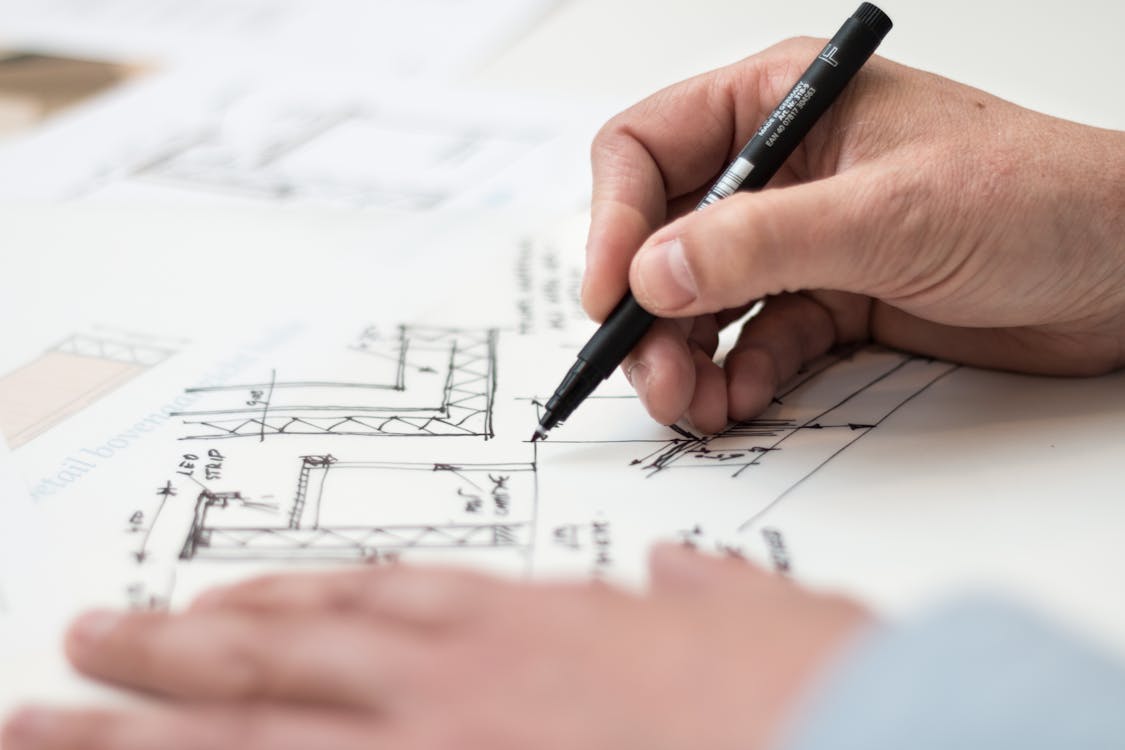
 

Green decoration embraces sustainable living: How to create a sustainable and comfortable living space through environmentally friendly material selection and energy-saving design?

In modern society, people's requirements for living environment are no longer limited to beauty and comfort, but they pay more attention to its impact on health and the environment.Green DesignIt is not only a decoration style, but also a practice of sustainable living attitude. This article will be B-Studio Take you to understandWhat is green decoration, explore its importance, practical methods, and how to create a healthy, environmentally friendly and comfortable home space with the help of professional green decoration designers. We will also discussGreen decoration license,Green decoration certification feeAnd everyone is concerned aboutGreen decoration price.


文章作者


What is green decoration? Redefine your living space


What is green decoration?Simply put, it is a decoration method that aims to reduce the burden on the environment and improve the health and comfort of residents during the interior decoration process. This is not just about choosing environmentally friendly materials, but also covers multiple aspects such as design planning, construction process, energy efficiency, and indoor air quality. Green decoration emphasizes the efficient use of resources, reducing pollution emissions, creating a healthy indoor environment, and taking into account the impact on the environment throughout the entire decoration life cycle.

Specifically, green decoration includes the following 6 core elements:


Green decoration element 1: Use environmentally friendly and healthy materials

chooseLow Volatile Organic Compounds (VOCs)Building materials, natural materials, and recyclable materials can reduce harm to the human body and the environment.


Green decoration element 2: improve energy efficiency

Reduce energy consumption and carbon emissions through good insulation design, energy-saving lighting equipment, smart home systems, etc.


Green decoration element 3: Optimize indoor air quality

Pay attention to ventilation design, use air purification equipment, and select decoration materials and furniture that are not easy to release harmful substances to create a fresh and healthy indoor environment.


Green decoration element 4: reduce waste generation

During the design and construction stages, effective use of materials is taken into consideration, construction waste is reduced, and it is properly classified and disposed of.


Green decoration element 5: save water resources

Select water-saving devices, optimize water use design, and reduce water consumption.


Green decoration element 6: lighting and sound insulation design

Make full use of natural light and reduce dependence on artificial lighting; enhance sound insulation and improve living comfort.


Why choose green decoration? B-Studio tells you its importance! 


Choosing green decoration is not only a contribution to the earth's environment, but also can bring multiple benefits to the residents. B-Studio believes that the importance of green decoration is reflected in the following aspects:

 
Protecting the health of residents Some materials used in traditional decoration may release harmful substances, and long-term exposure may have an impact on human health. Green decoration uses environmentally friendly and healthy materials, which can effectively reduce indoor air pollution and provide a safer environment for residents.
Improve living comfort Green decoration focuses on natural lighting, ventilation and sound insulation, and can create a more comfortable and pleasant living space.
Save energy costs By improving energy-efficient designs and equipment, energy consumption can be significantly reduced, resulting in considerable long-term savings on electricity and water bills.
Increase property value As people's awareness of environmental protection increases, more and more home buyers consider green buildings and green decoration as important factors. Therefore, properties with green decoration usually have a higher market value.
Practice corporate social responsibility For enterprises, choosing green decoration can not only provide employees with a healthy working environment, but also demonstrate the company's commitment to environmental protection and enhance the corporate image.


Seeking professional assistance: the necessity of green decoration designers


To successfully achieve the goal of green decoration, the assistance of professionals is often required. Green decoration designers have the relevant knowledge and skills and can incorporate environmental protection concepts into the design stage. They can provide a full range of green decoration design services according to customer needs and budget, including:


  • Initial consultation and needs assessment: Understand the customer's expectations and specific needs for green decoration.
  • Floor plan proposal: Based on the requirements you provide and the current condition of the house, the green decoration designer will carry out space planning and propose a floor plan that complies with the green decoration principles.
  • Design planning and contract signing: After the floor plan is determined, the designer will further refine the design plan, including the selection of building materials, such as environmentally friendly, low VOCs, natural, recyclable materials, color matching, lighting design, furniture configuration, etc.
  • Preparation and construction: Before construction, the designer will assist you with relevant preparatory work. During the construction process, the designer will be responsible for supervision and ensure that the project is carried out in accordance with the design drawings and green decoration standards.


Improving professional recognition: Green decoration license and green decoration certification fees

The green decoration certificate is to enhance the professional recognition of designers and related practitioners in the field of environmental protection and healthy decoration. The following is an explanation of the conditions and process for obtaining the certificate, the details of the certification fee, and the validity and value of the certificate:


Conditions and procedures for obtaining a green decoration license 

What qualifications do I need to meet to apply? Do I need to take a training course or exam?

To apply for a green decoration certificate, applicants usually need to attend a certification course organized by a relevant association or organization and pass a certification exam. The course covers both theory and practice and is taught by professional lecturers. After the course, participants are required to take an academic test and those who pass will receive a certificate.


Certification Fees

The certification fee includes registration fee and examination fee. byNew Taipei City Interior Design and Renovation Business AssociationTaking the course as an example, the fee is approximately NT$12,000, and in some cases members can enjoy preferential prices, such as NT$9,600. Fees may vary depending on the course content, location and organizer. Applicants are advised to confirm the details before registration.


The validity and value of certificates

Having a green decoration certificate is helpful to designers or related practitioners in many ways

  • Enhance professionalism and trust: The certificate represents the holder's professional ability in the field of green decoration, enhances customers' trust in him and expands career development.
  • Meet market demand:ESGDriven by the (environmental, social and governance) framework, more and more companies are incorporating sustainability into their core goals, and professionals with green decoration certificates are more likely to attract this type of customer group.
  • Promote health and environmental protection: Green decoration emphasizes the use of environmentally friendly building materials and design techniques to provide a healthy and sustainable home environment, reduce harm to the environment, and achieve a balance between man and nature.


B-Studio: Your Trustworthy Green Decoration Partner


B-Studio emphasizes human-centered architecture and sophisticated interior design. The scope of services includes interior design and overall planning of offices and factories, as well as self-built projects. B-Studio has won numerous international awards for its outstanding design capabilities. Its goal is to create new living concepts and high-standard ideal spaces for its clients. If you have any needs, welcomeClick here for enquiry.


Further reading:

How to plan office partitions? Learn about office partition regulations, costs, and designs in one article!

What are the store design details? I will tell you 2 key points of decoration, 4 design techniques and 4 case studies all at once!


References:

https://www.sce.pccu.edu.tw/courses/0WCFsample?utm_source=chatgpt.com

https://www.tpdc.org.tw/news_detail.php?id=4788&utm_source=chatgpt.com

https://www.b-studio.com.tw/

Please enter a title here