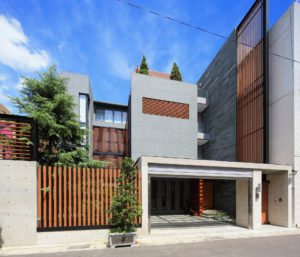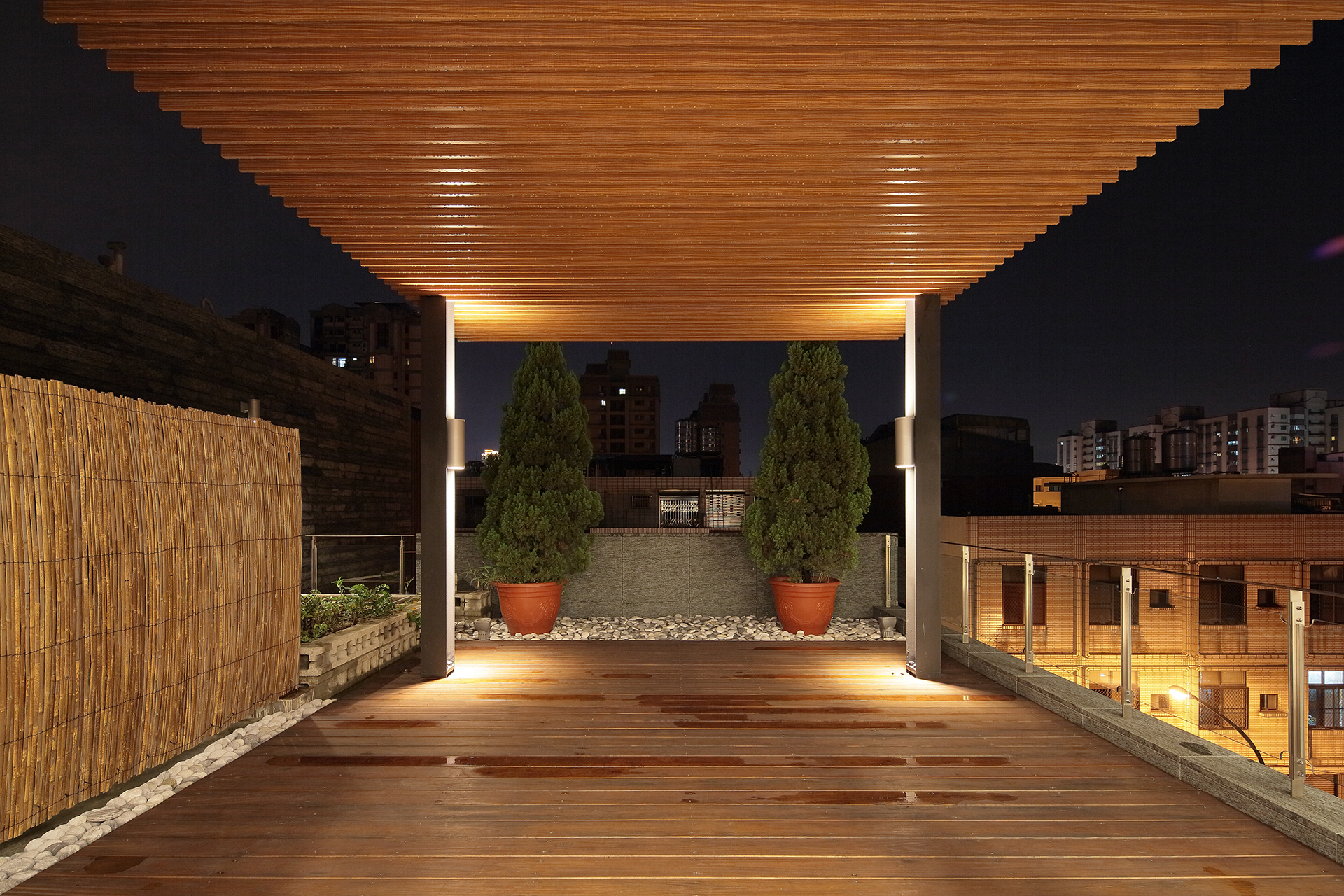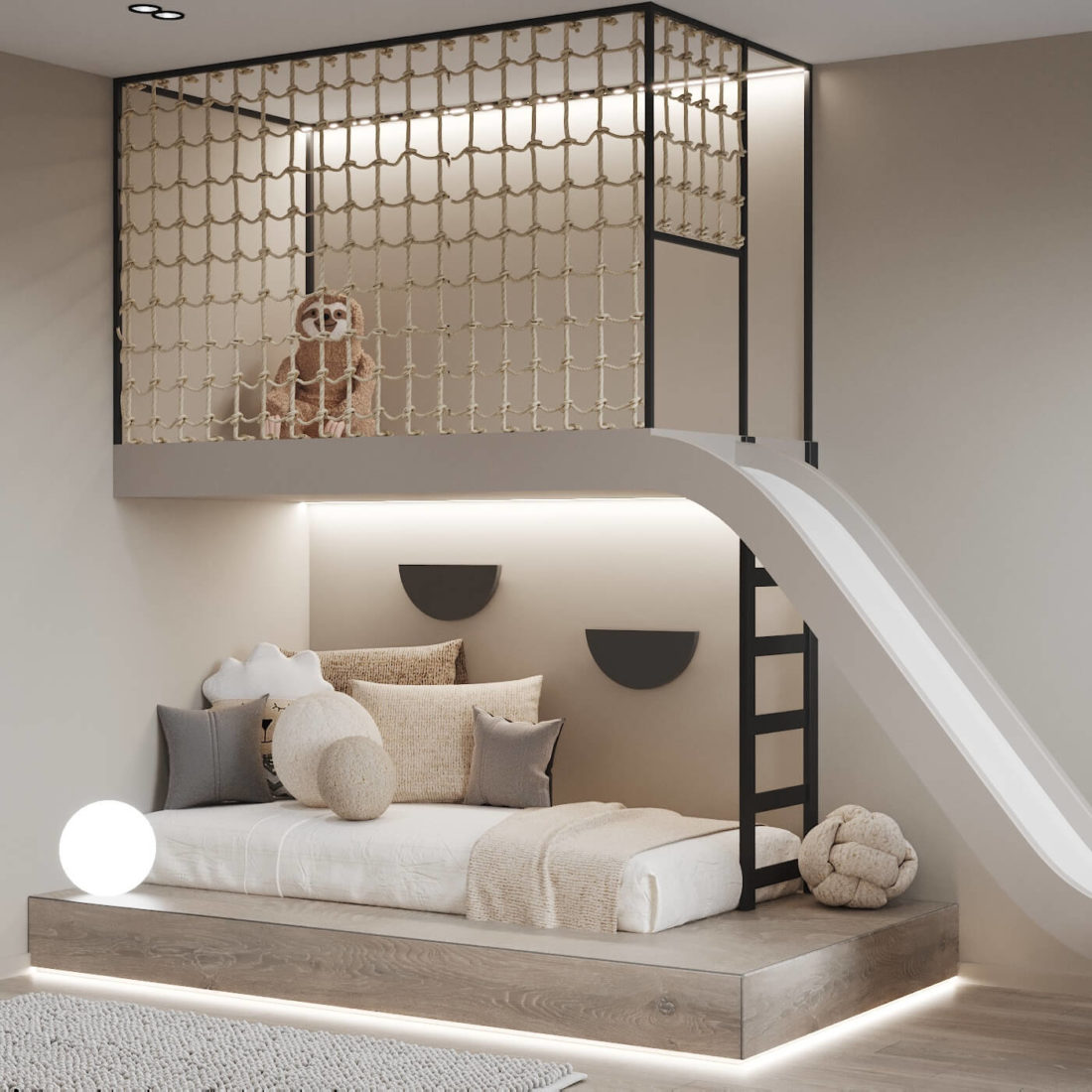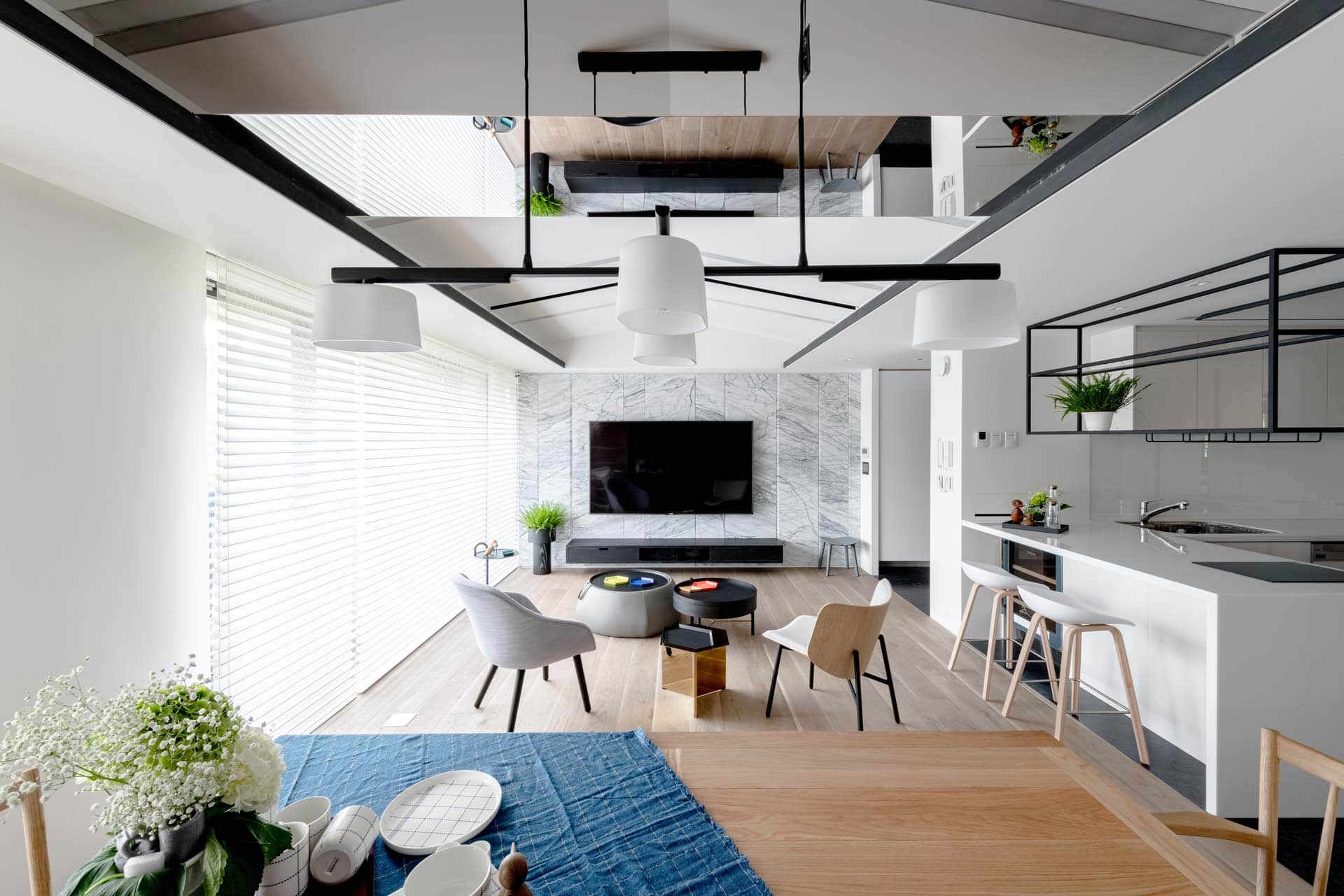

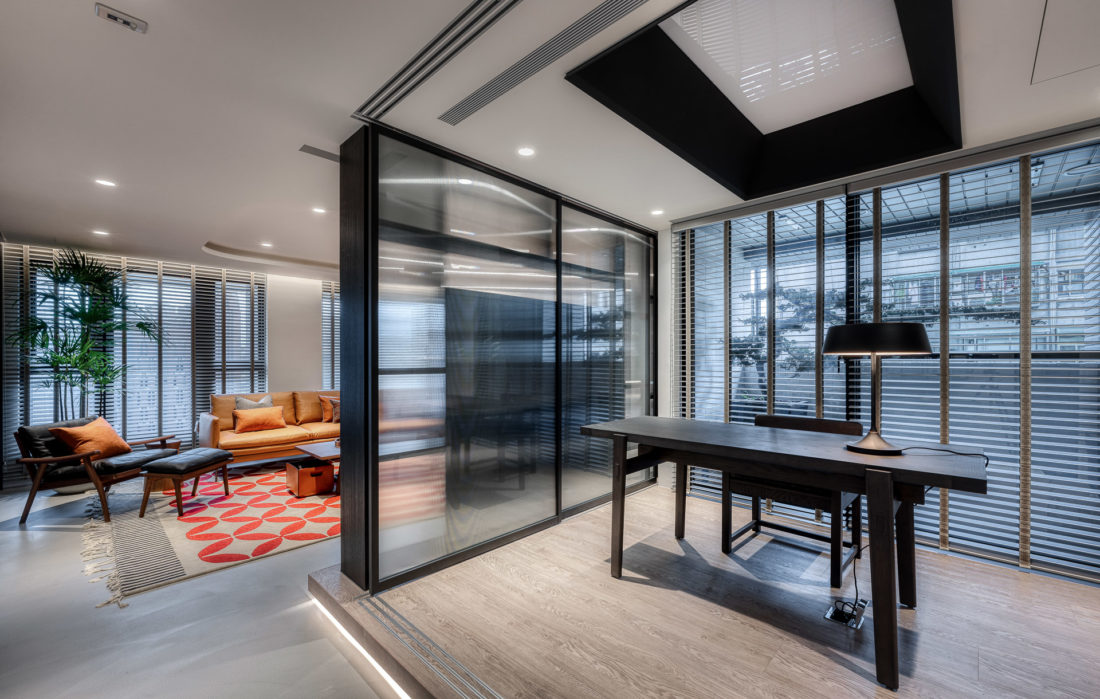
2026室內設計趨勢

2026 Interior Design Trends Analysis! Bringing You Back to the Purity of Life

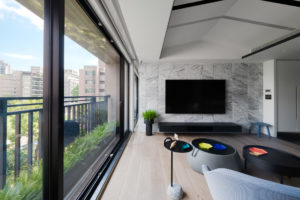
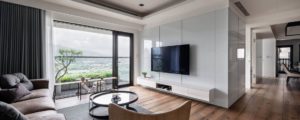
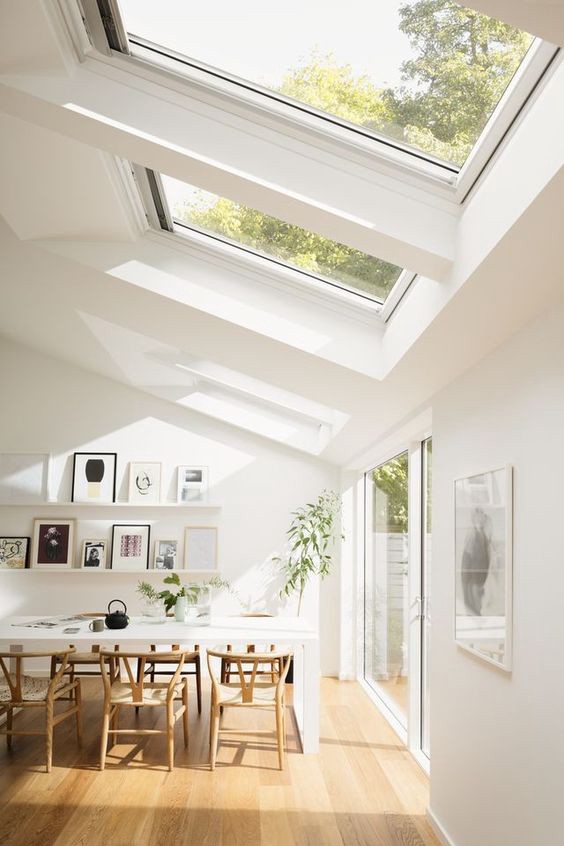
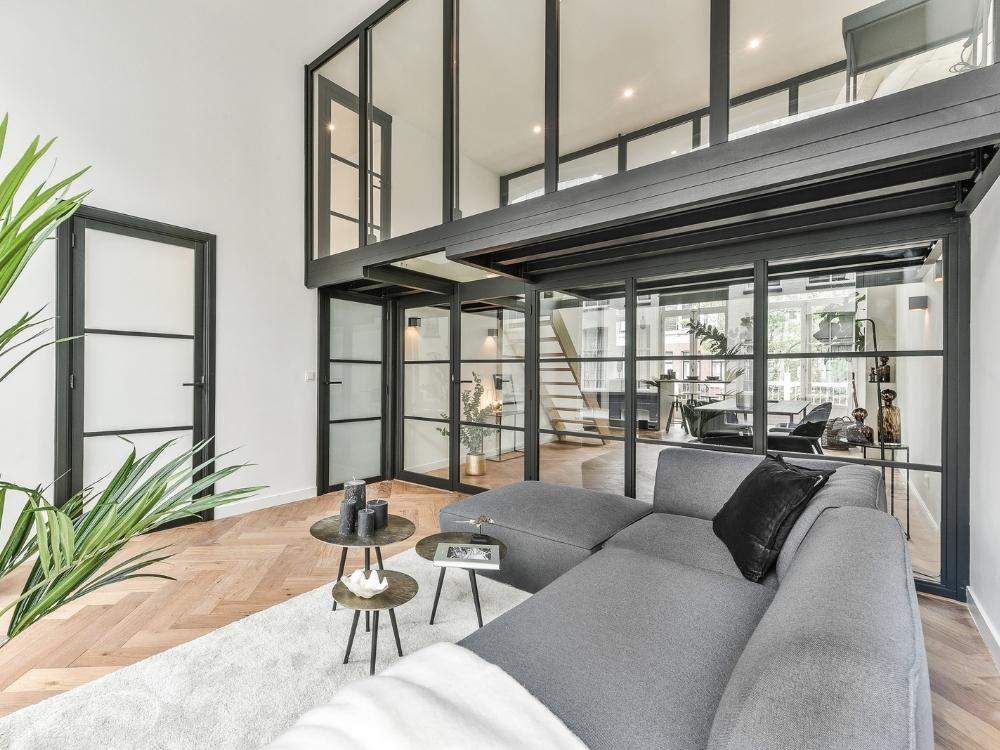
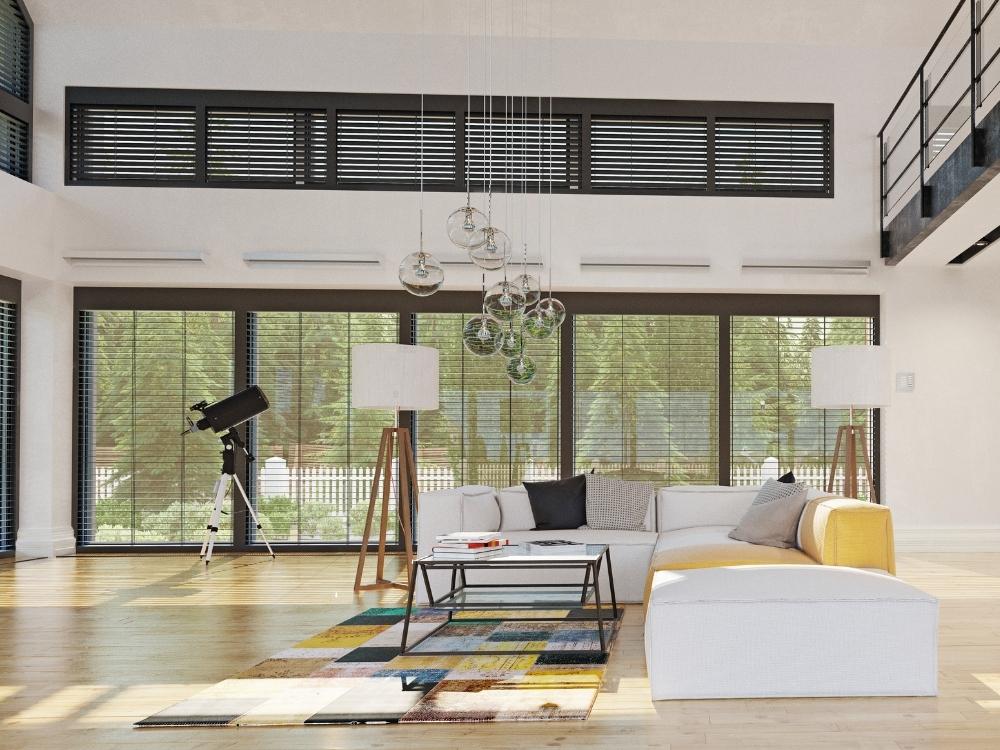
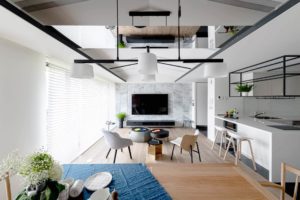
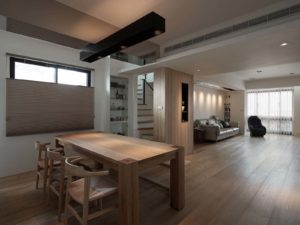
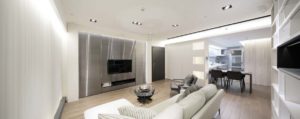
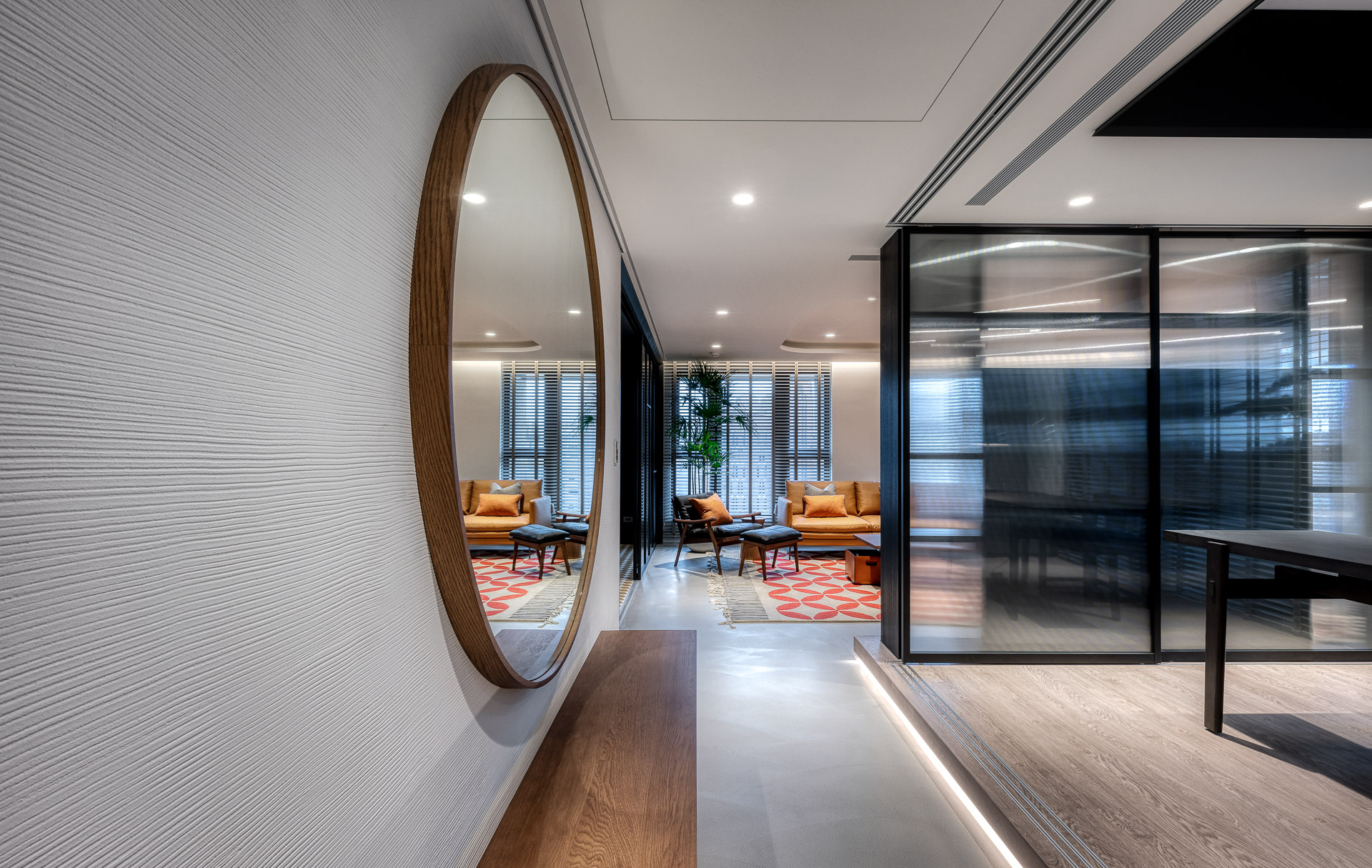
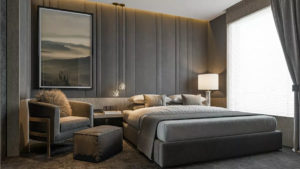
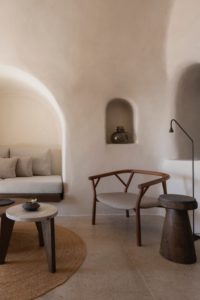
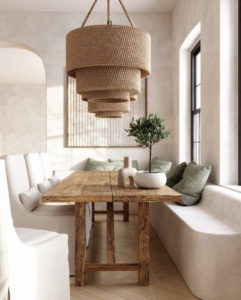
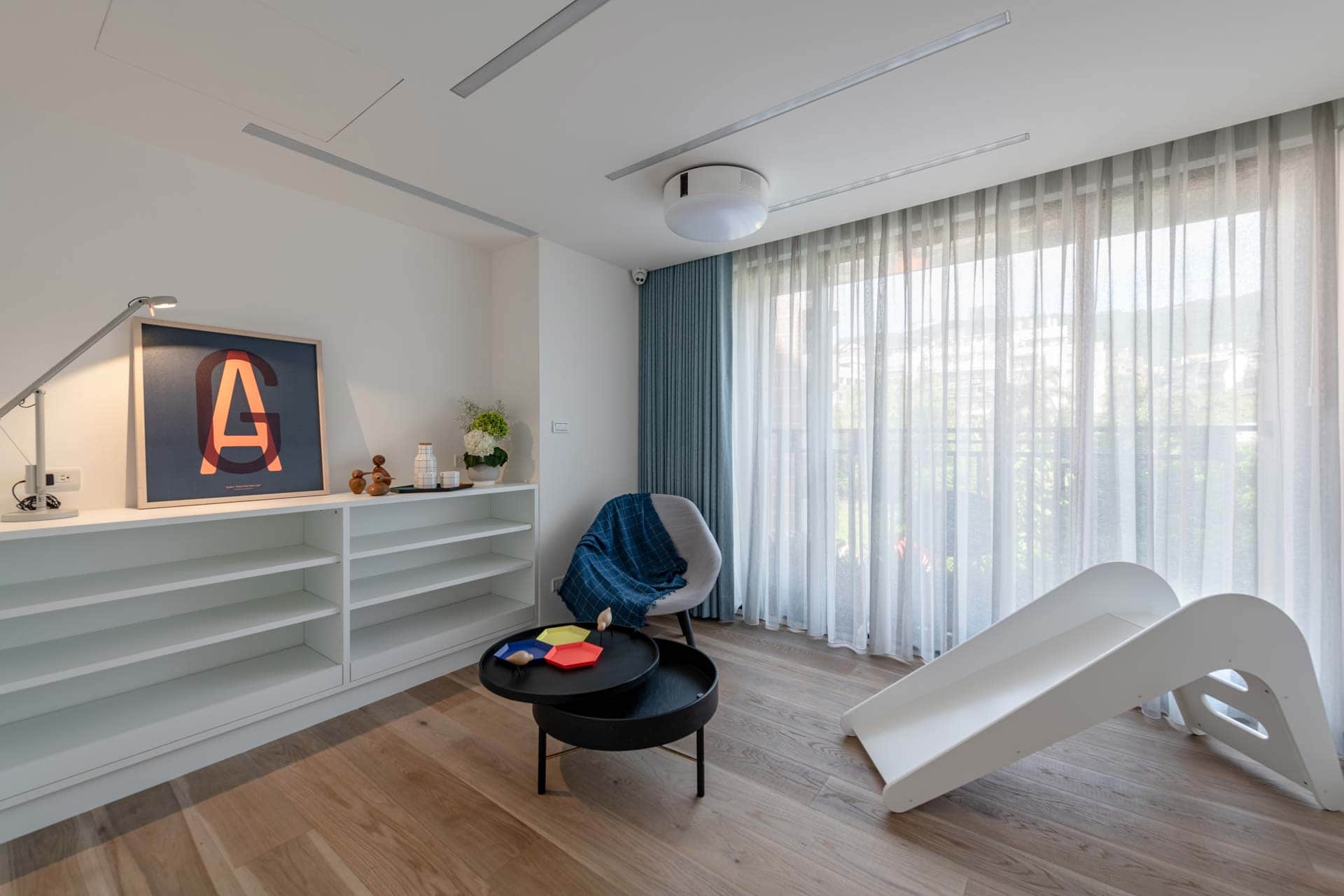
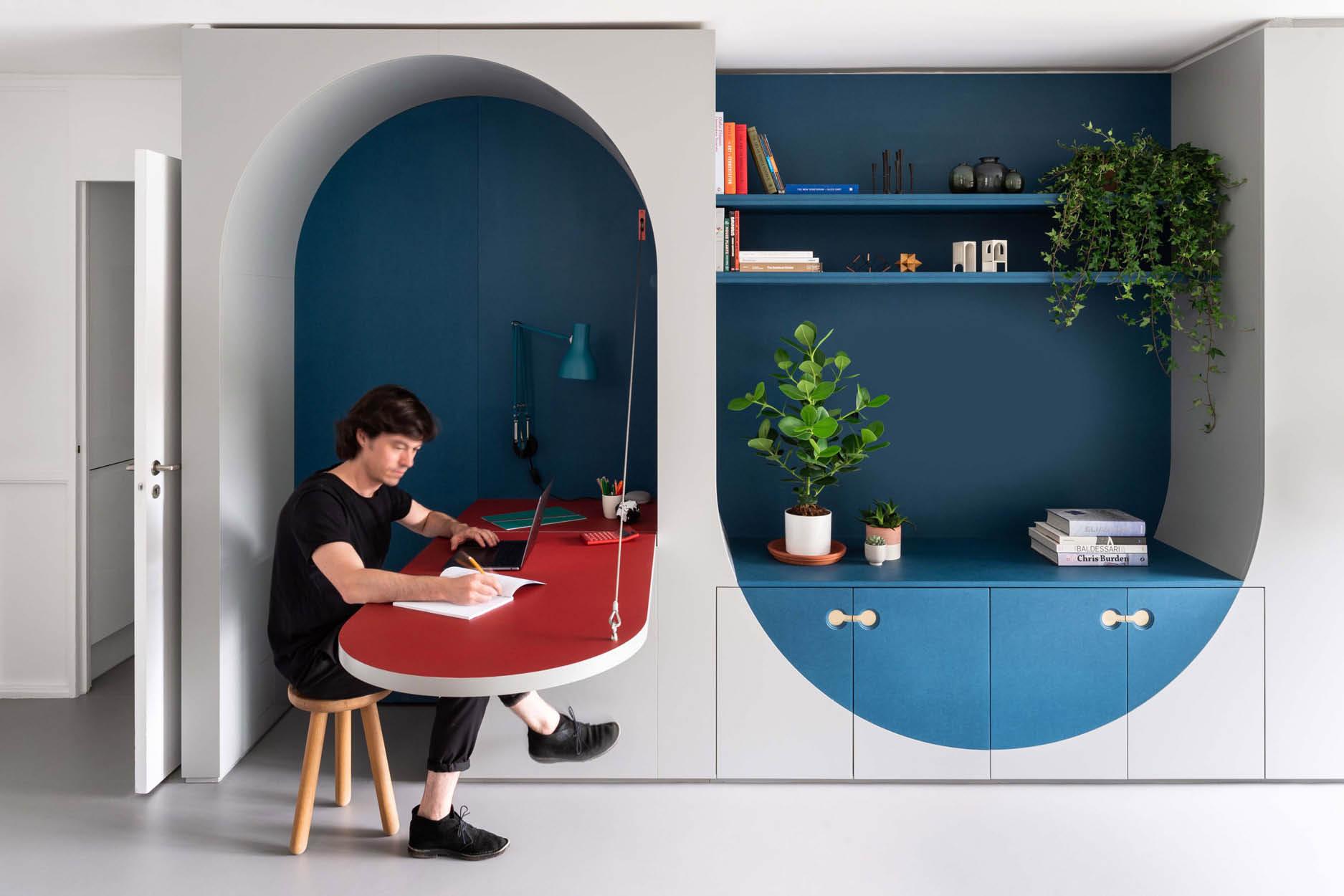
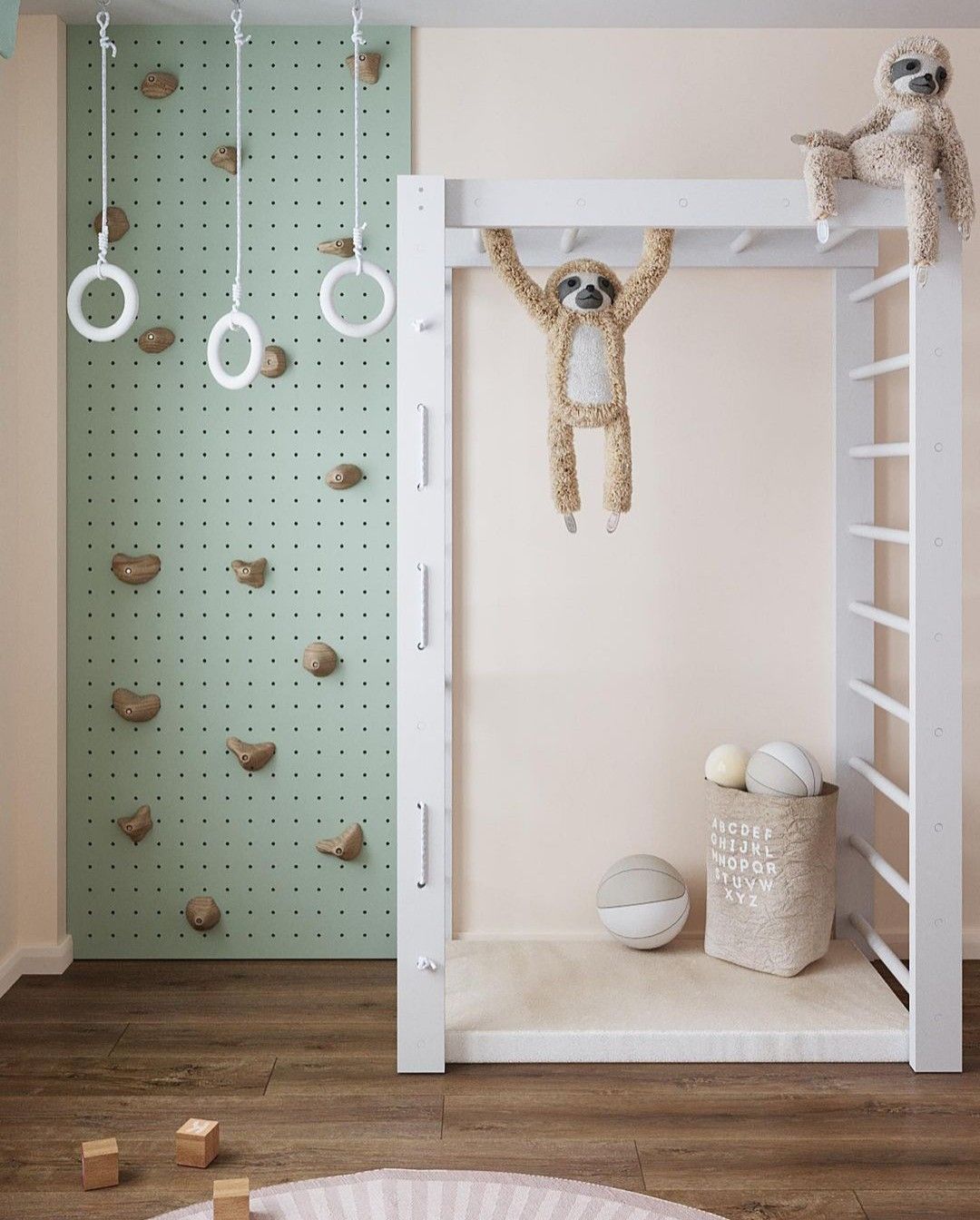
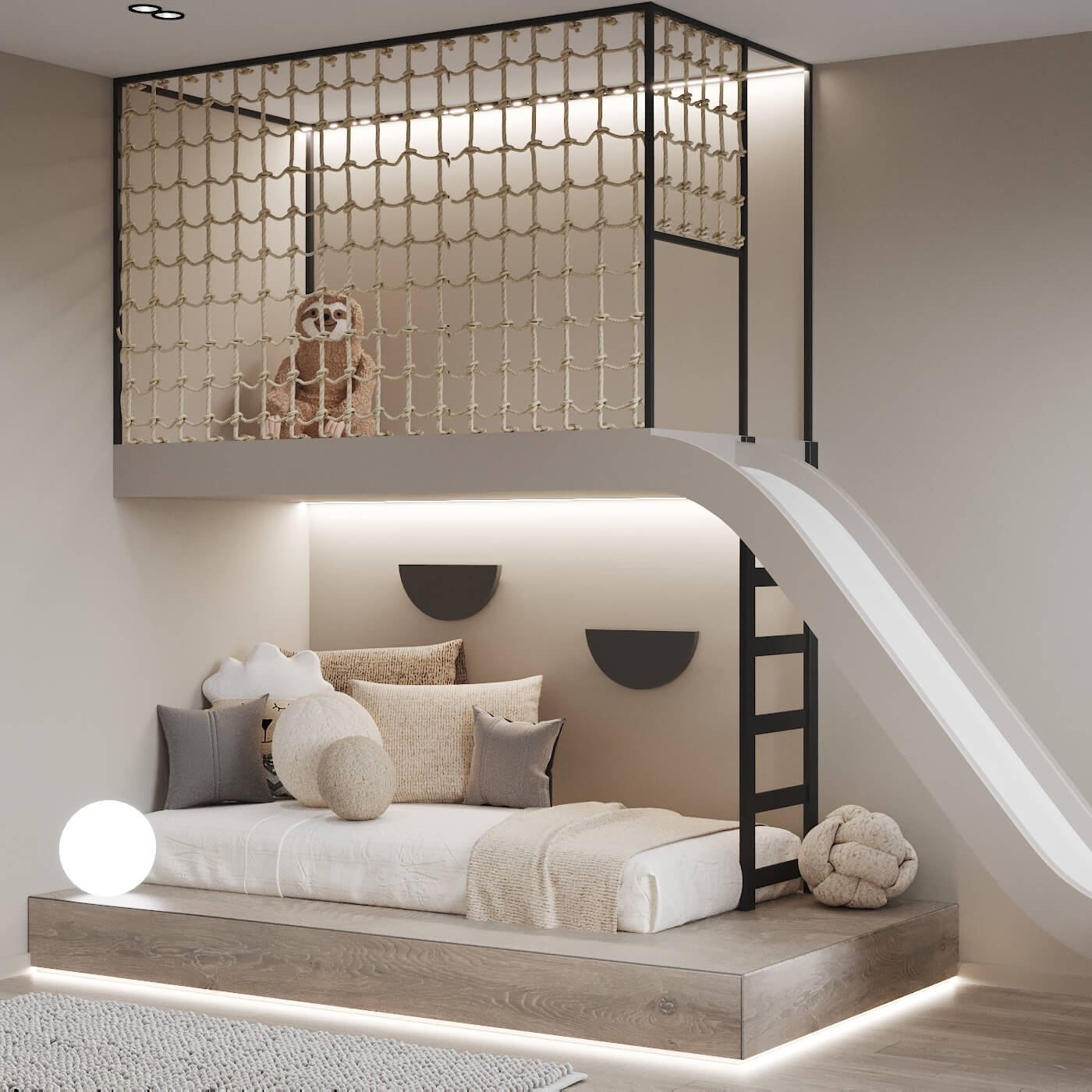
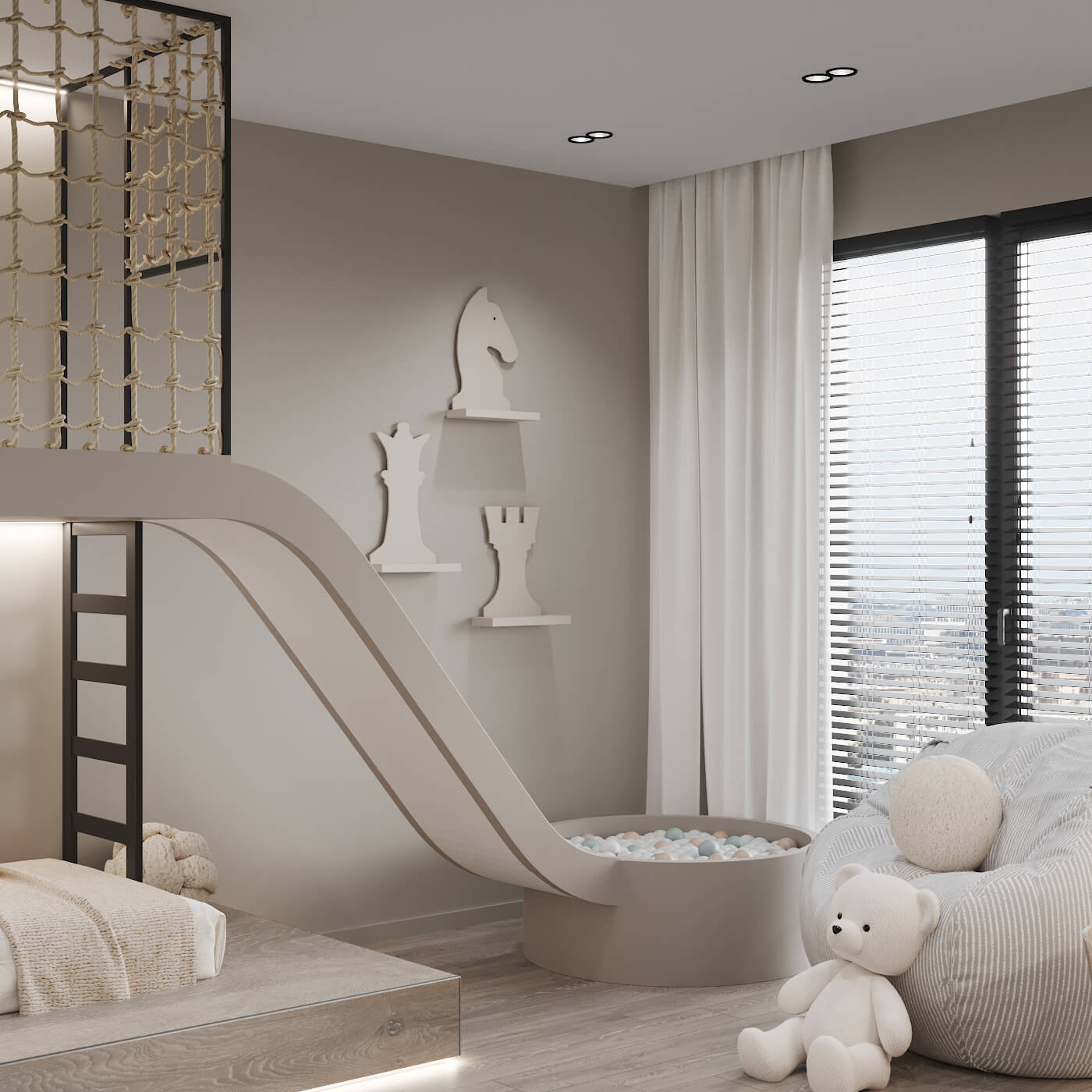
2026 interior design trends are officially returning to the essence of life. Faced with rapidly changing daily life, people are beginning to care about whether a space's decorating style is timeless and whether it can remain comfortable and pleasant over time, thus influencing their home style.

This people-centered approach to life is actually traceable, such as the minimalist home decor that emphasizes blank space and order, and the wabi-sabi style that values the traces of time and natural textures. Therefore, this article shares...
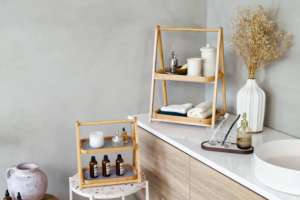
2026 Interior Design TrendsCreate a comfortable home environment that remains pleasant over time and inspire new decorating ideas.

文章作者

What are the trending colors for 2026? Cloud White and Revolutionary Blue-Green.

2026室內設計趨勢
2026室內設計趨勢

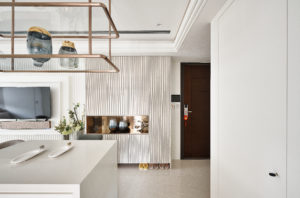
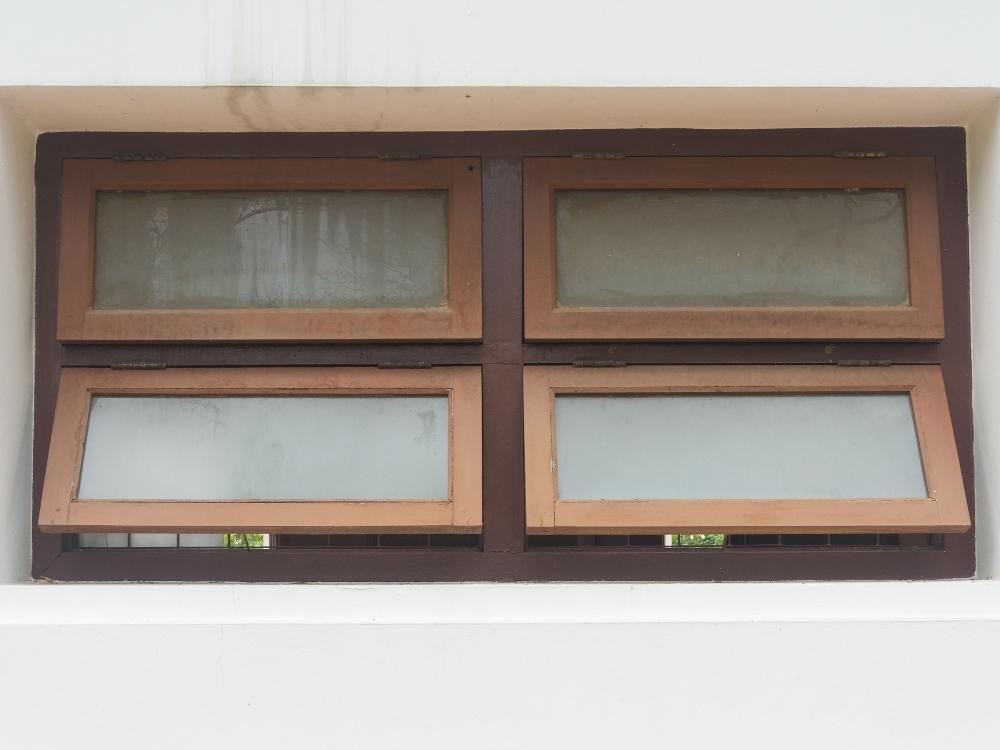
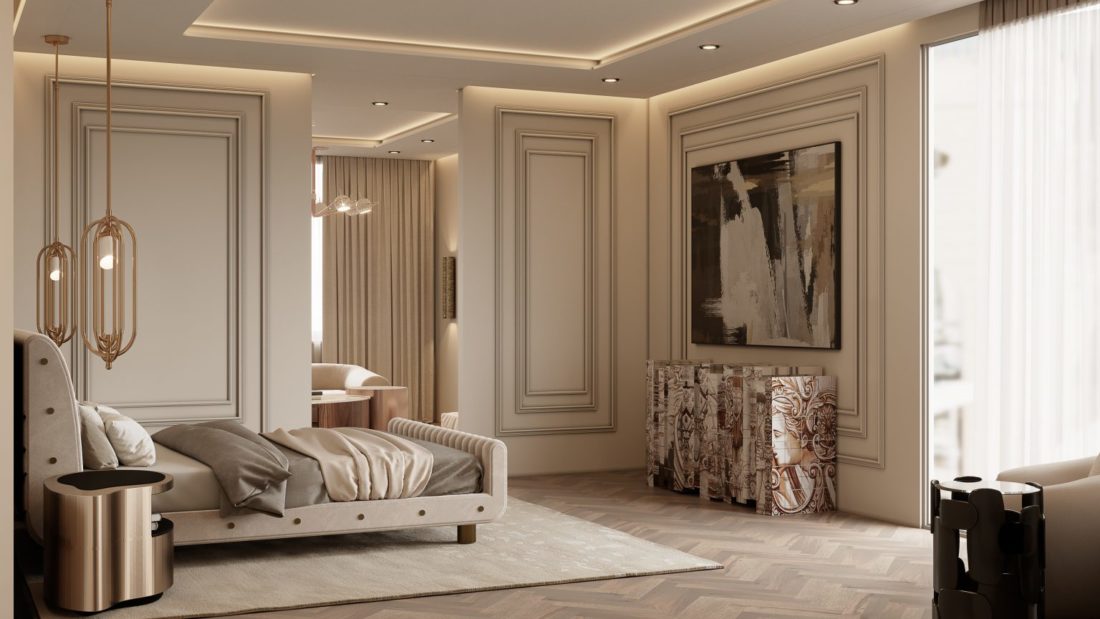
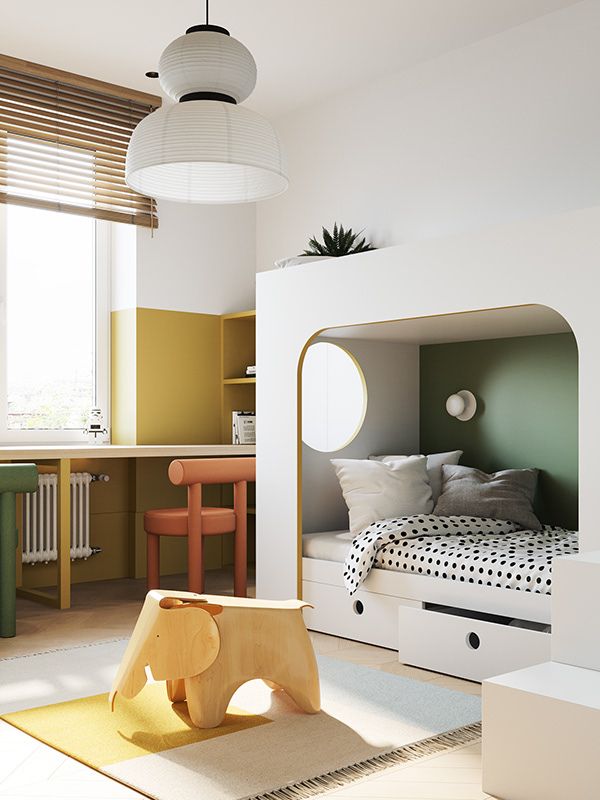
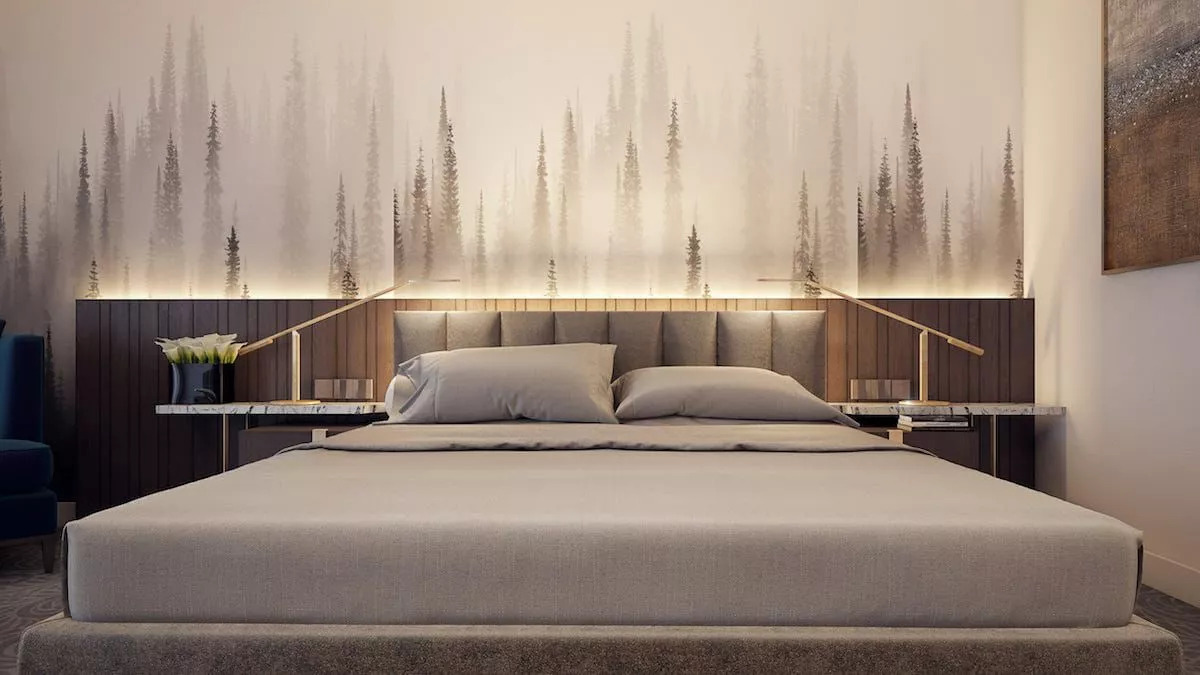
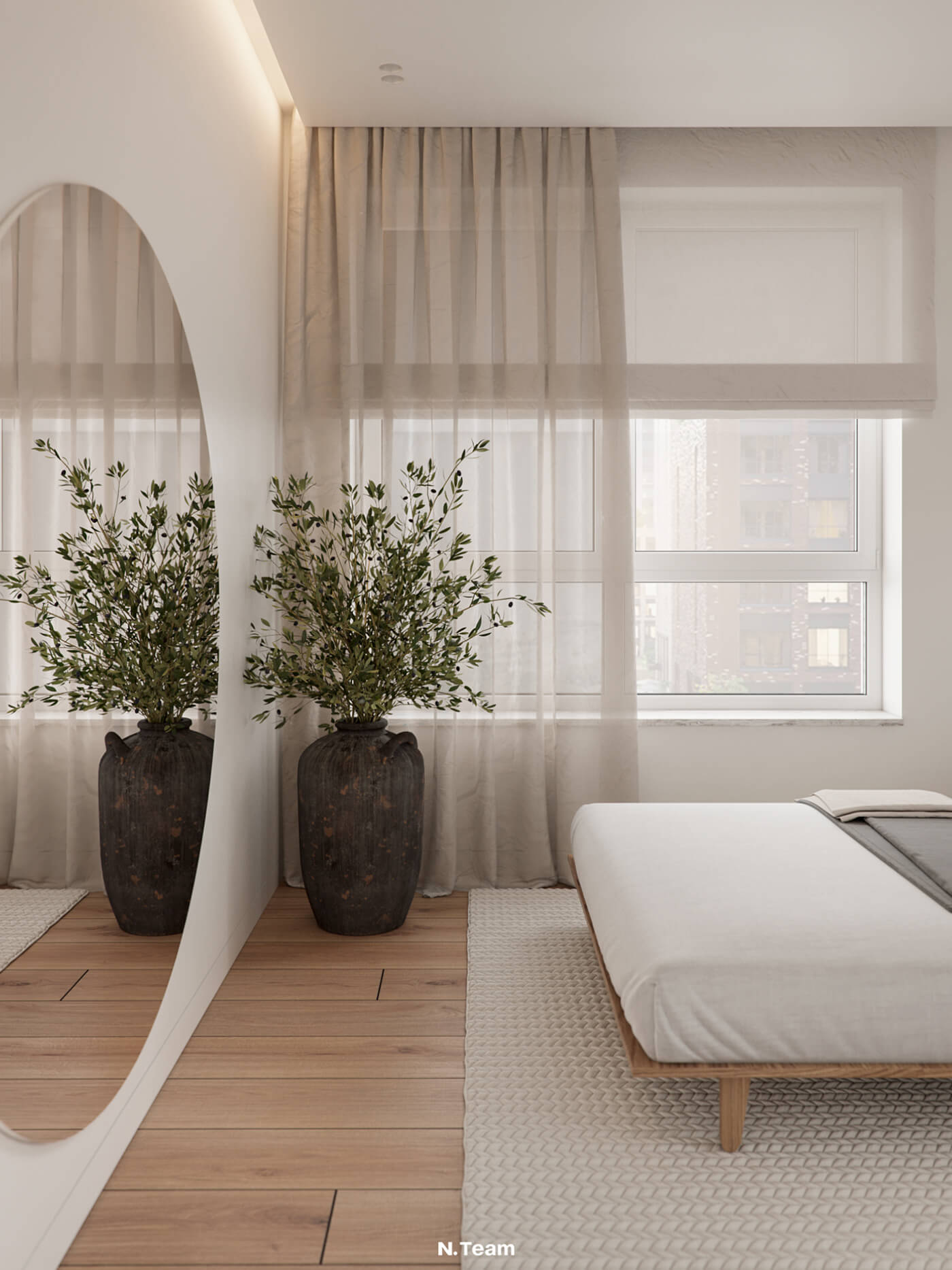
The 2026 color trend will no longer emphasize high saturation and strong contrast, but will return to pleasing, low-saturation, grayish earth tones, such as...PantoneCloud Dancer has been announced as the 2026 Color of the Year. It's a neutral white that's neither too bright nor too noisy, offering a gentle, warm tone that allows spaces and people to relax and breathe. If you'd like to add a touch of brightness to your life, you can refer to this color. WGSN X Coloro The proposed "Transformative Teal" injects a sense of fluidity and futurism into a stable foundation, allowing the space to maintain subtle changes in tranquility, echoing the global emphasis on and demand for sustainable environments.

Interior Design Trends: From Stacking Styles to the Balance of White Space and Proportion

2026室內設計趨勢

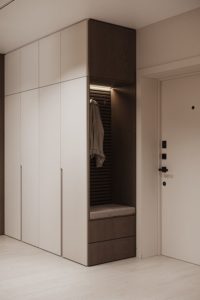
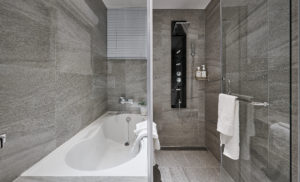
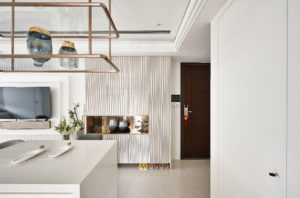
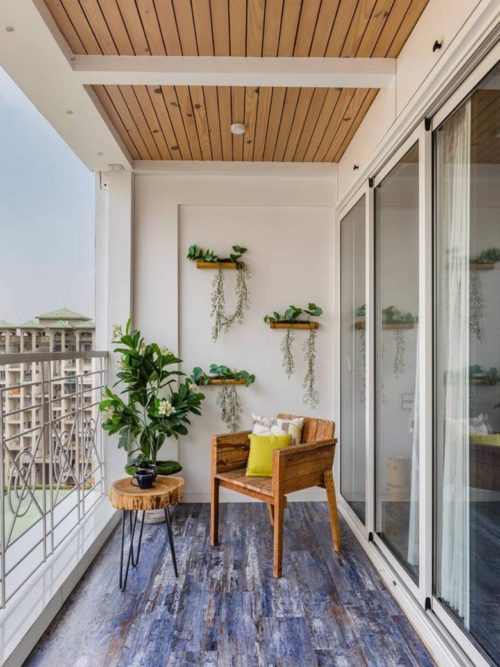
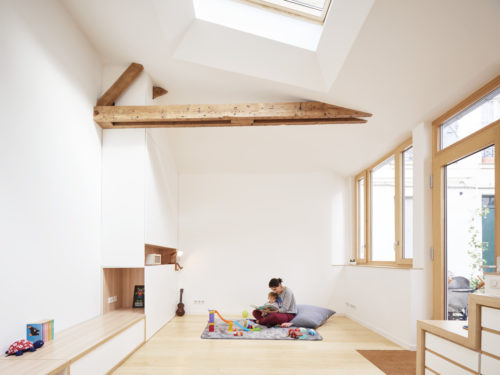
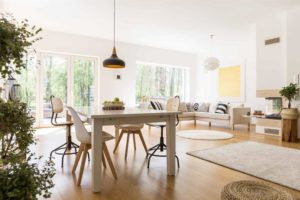
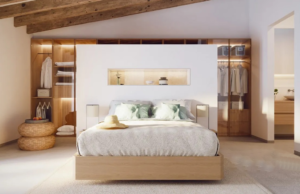
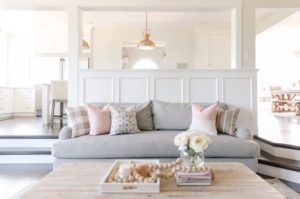
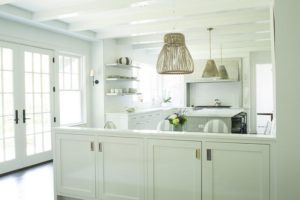
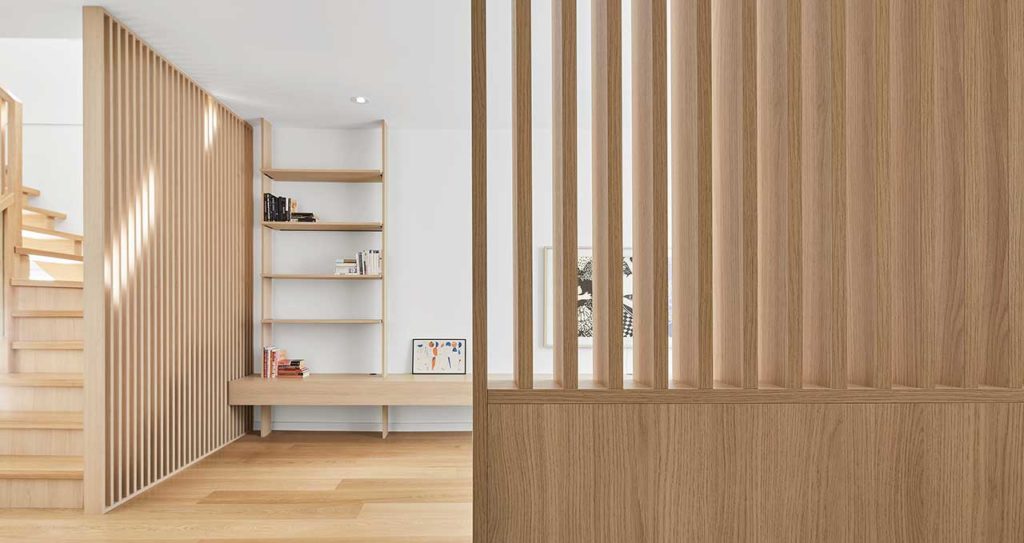
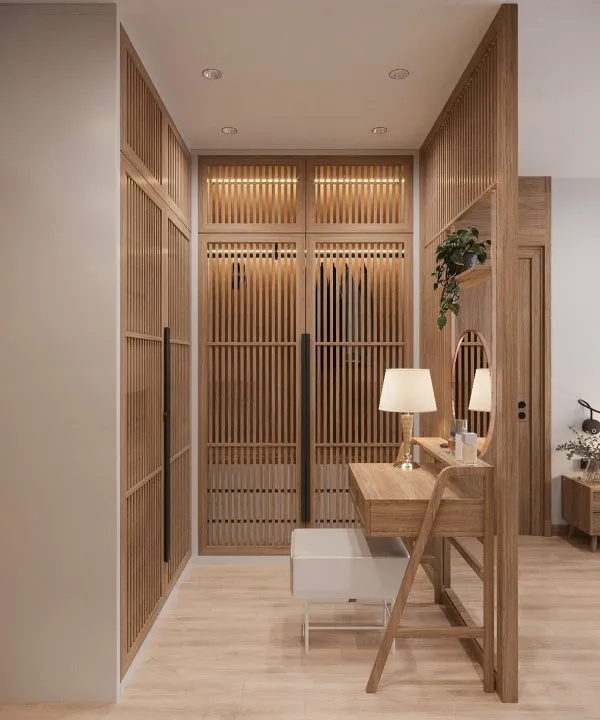
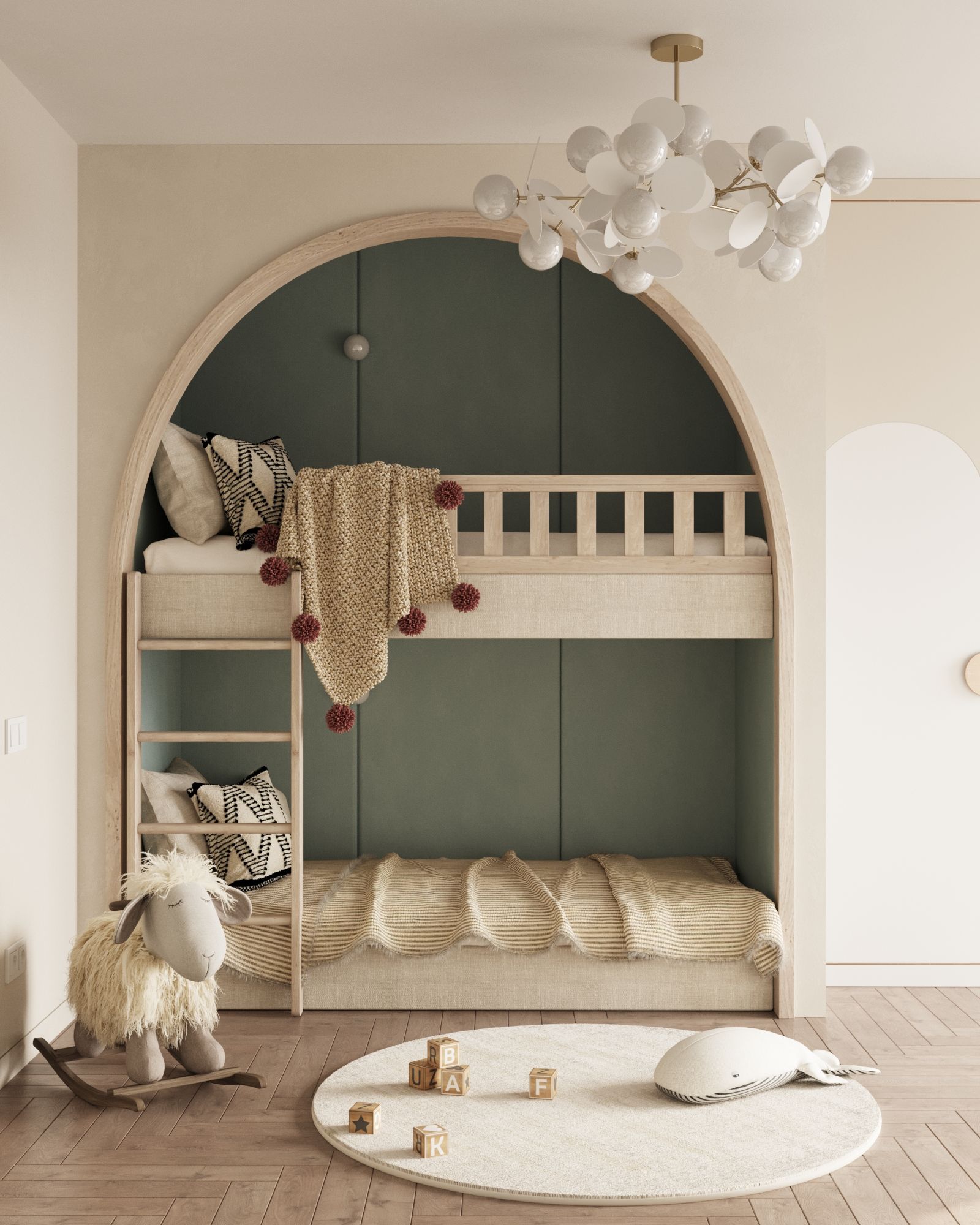
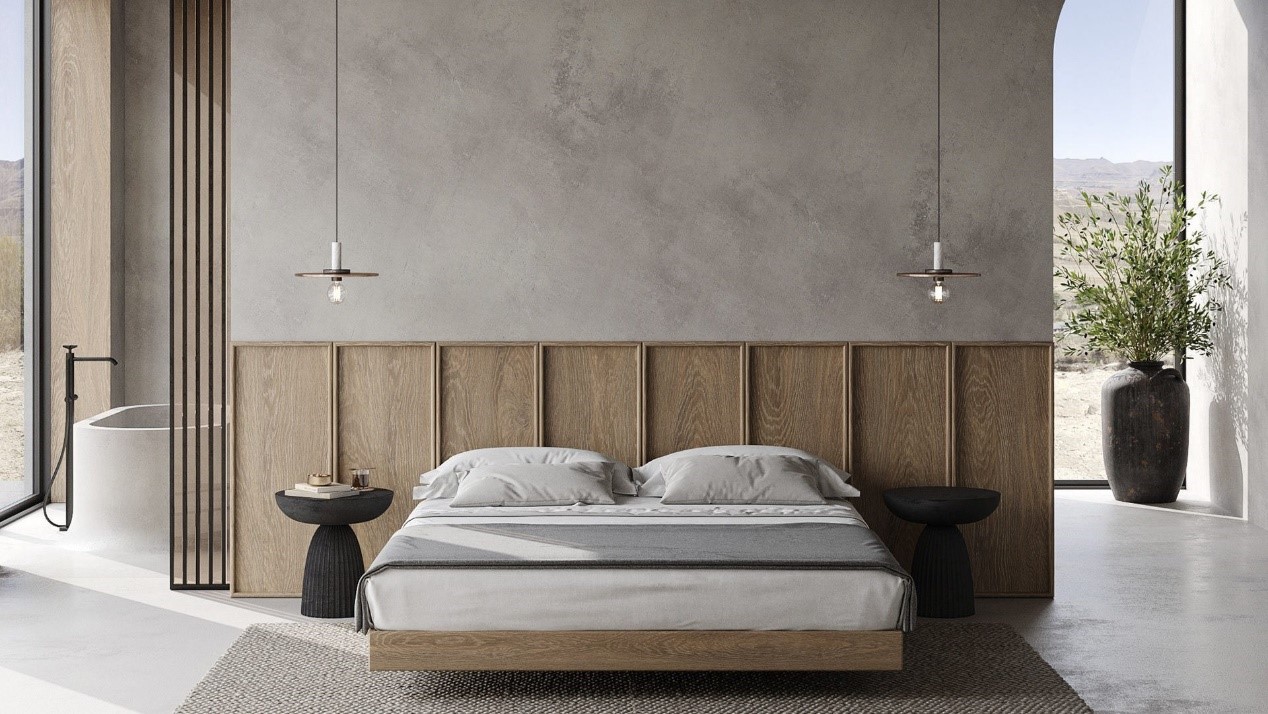
Past interior design often revolved around layering styles, such as moldings, feature walls, and patchwork of different materials, quickly creating a clear visual language. However, as living time lengthens and lifestyle needs change, this layered style is gradually shifting towards more timeless and aesthetically pleasing designs.Simple and unpretentiousStylistic considerations involve thinking about the essential aspects of life, such as how people move and stay in a space. For example, whether the flow of movement is smooth, whether storage is integrated into daily life, and whether the overall spatial proportions are compatible with environmental conditions. These seemingly intangible design foundations actually determine the comfort and long-term durability of living spaces.

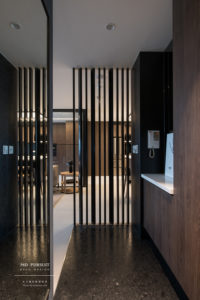
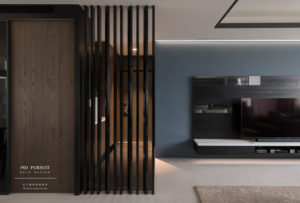
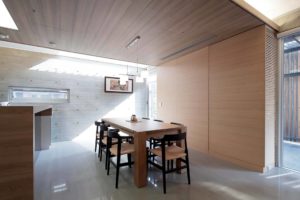
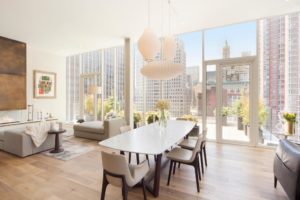
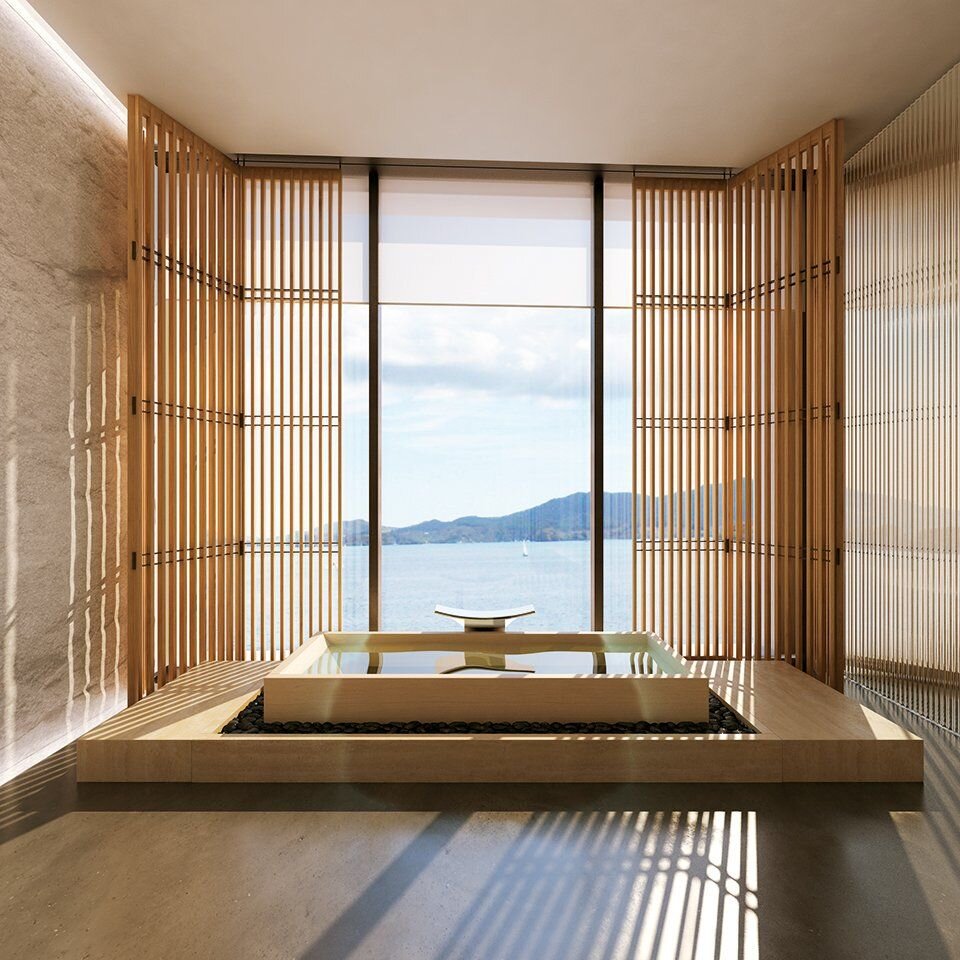
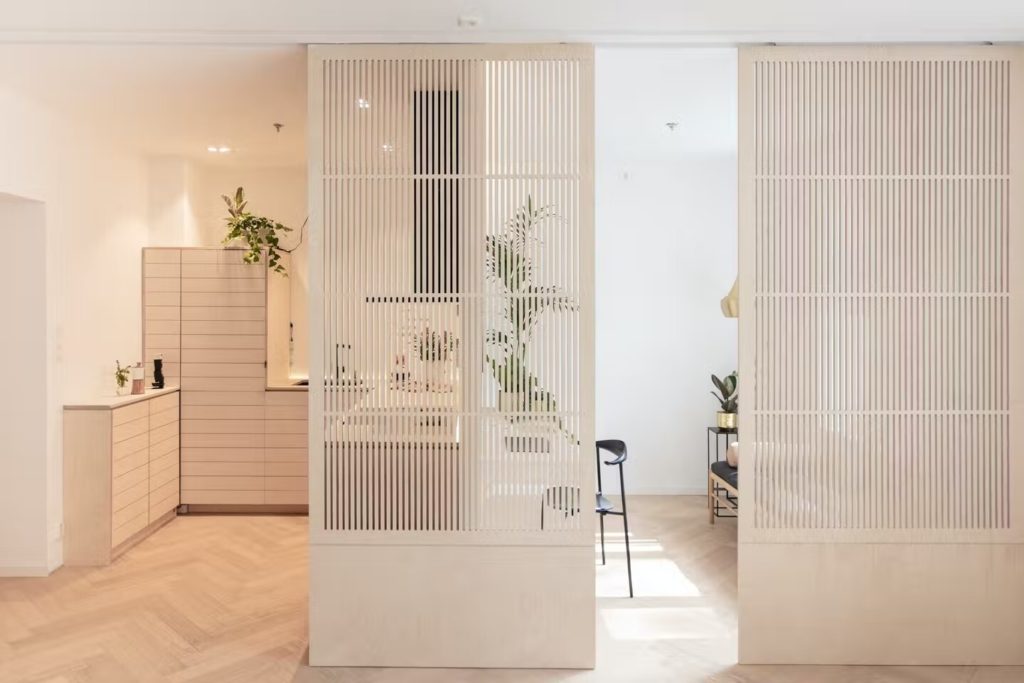
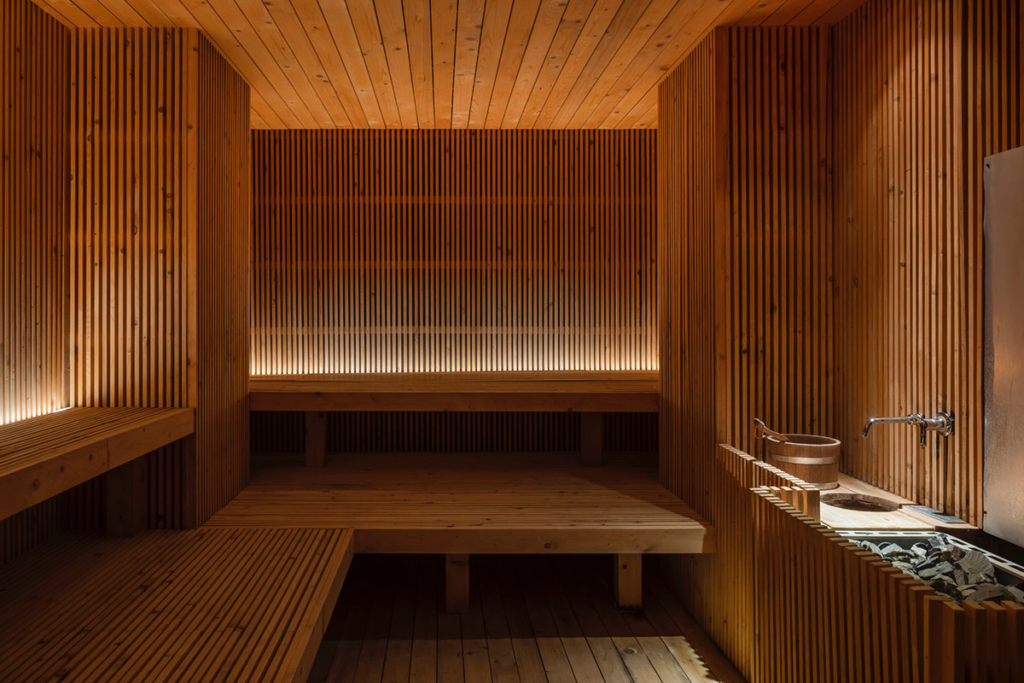
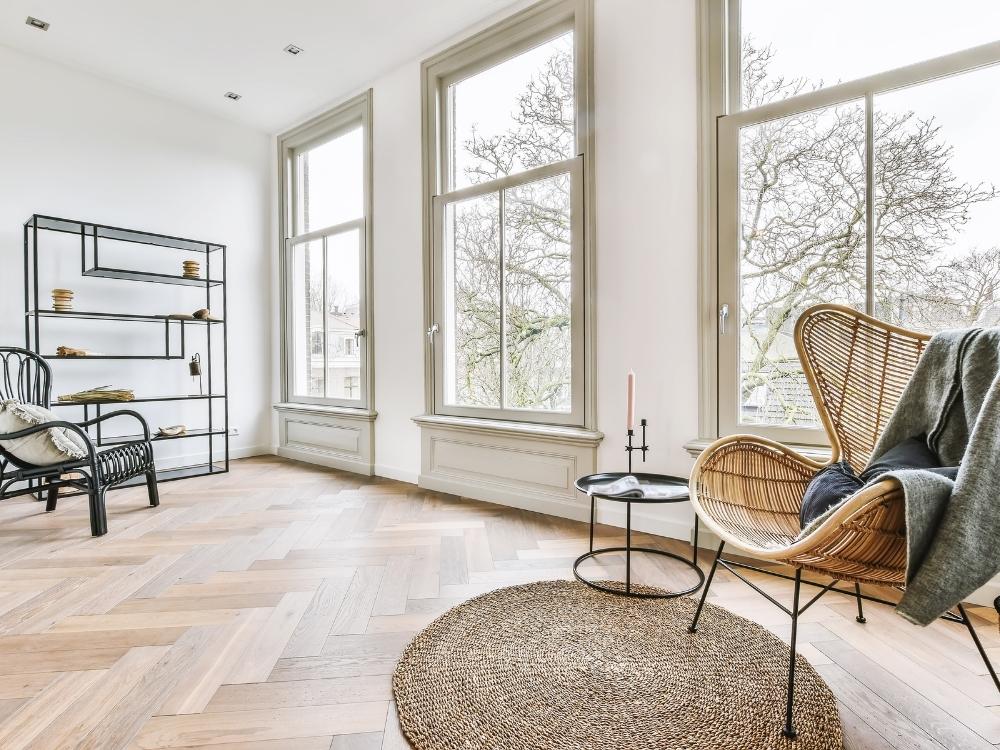
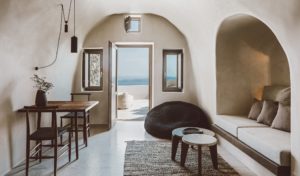
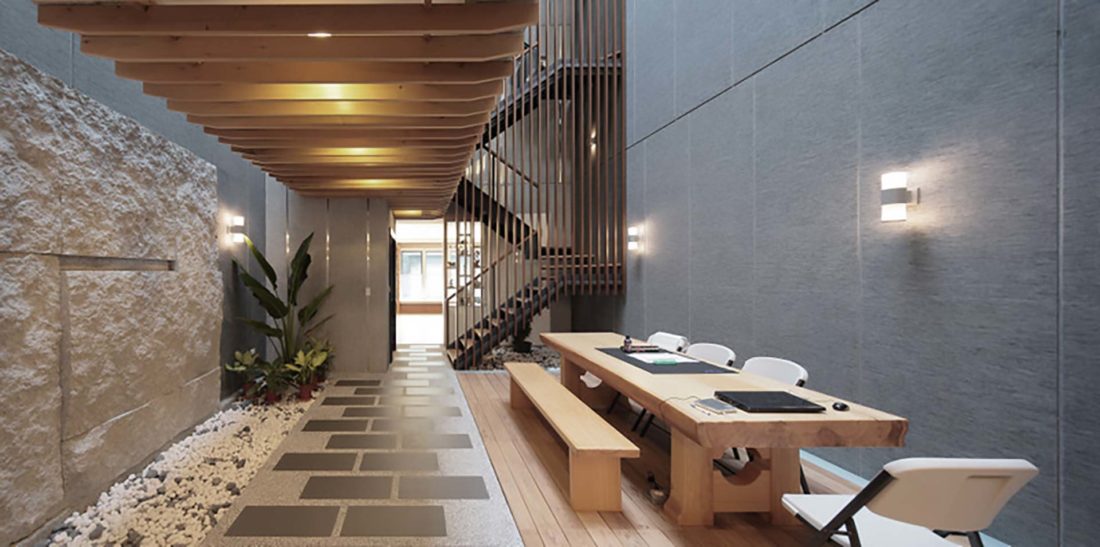
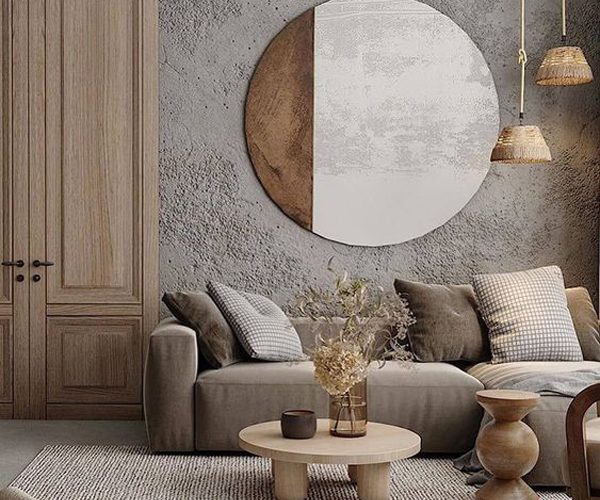
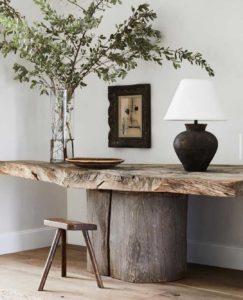
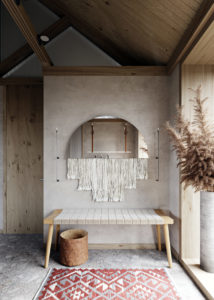
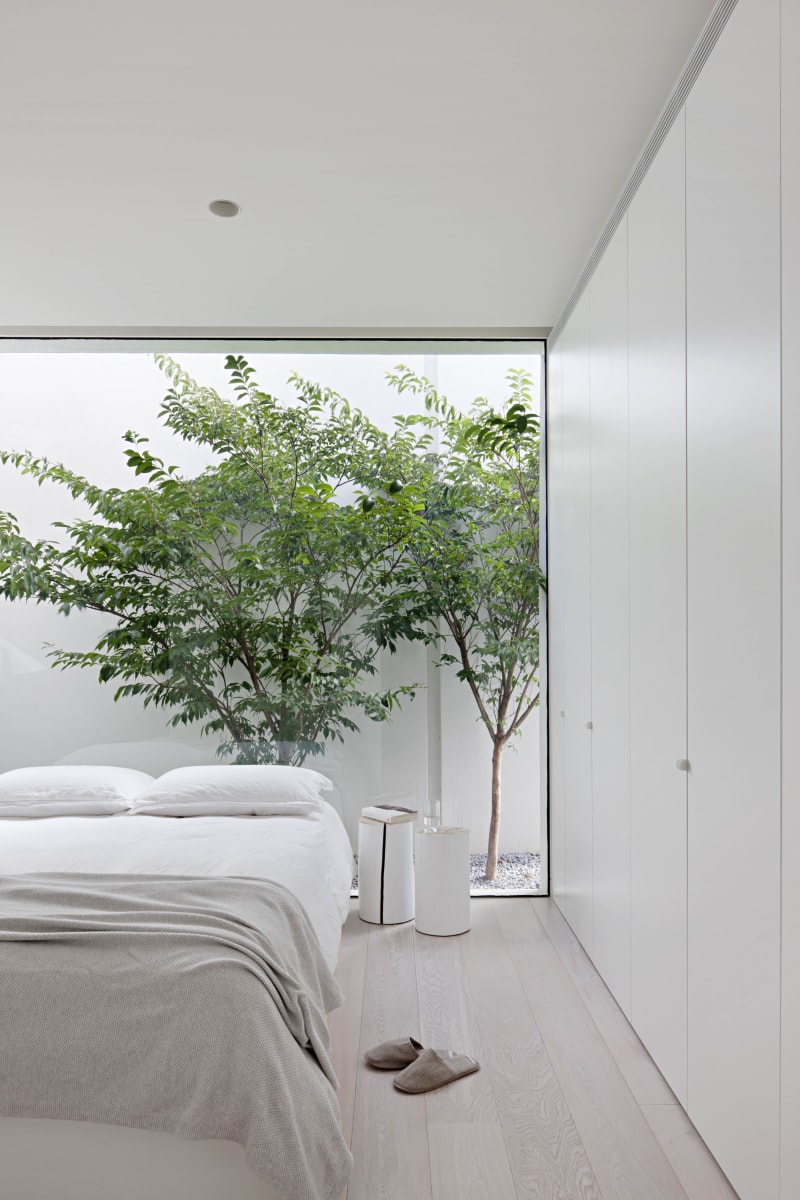
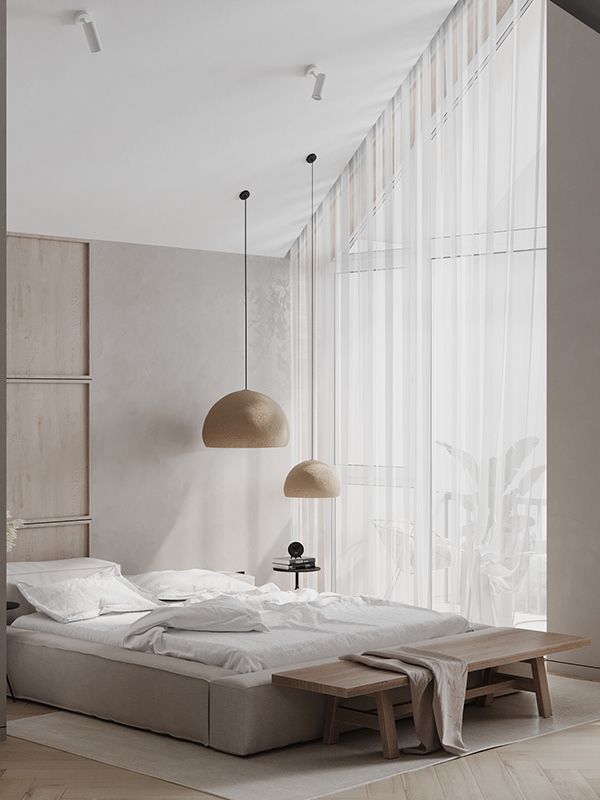
The consideration of leaving blank space also influences the use of color and materials. Large areas of materials with restraint become an important means of design expression. For example, the warmth of wood, the delicacy of mineral paint, and the stability of stone. Such spatial expressions are naturally pleasing to the eye. Leaving just the right amount of blank space allows life itself to become the main subject.


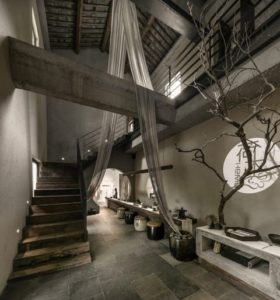
The key to timeless interior design: seeing the design left by time in wabi-sabi and minimalism.

2026室內設計趨勢

Does the space possess elements of negative space, authentic materials, and flexibility to coexist with daily use? The wabi-sabi and minimalist home design styles best embody this spirit:


1. Wabi-sabi style home decoration design

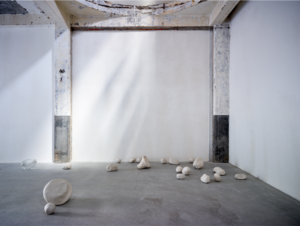
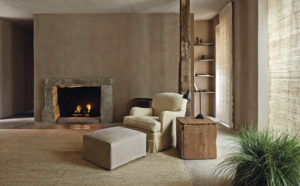
  • Style and Tone: Emphasizing nature, simplicity, and the traces of time, it does not pursue perfection or decoration, but rather uses light, shadow, and negative space to create natural layers in the space.
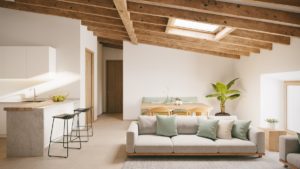
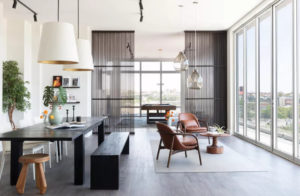
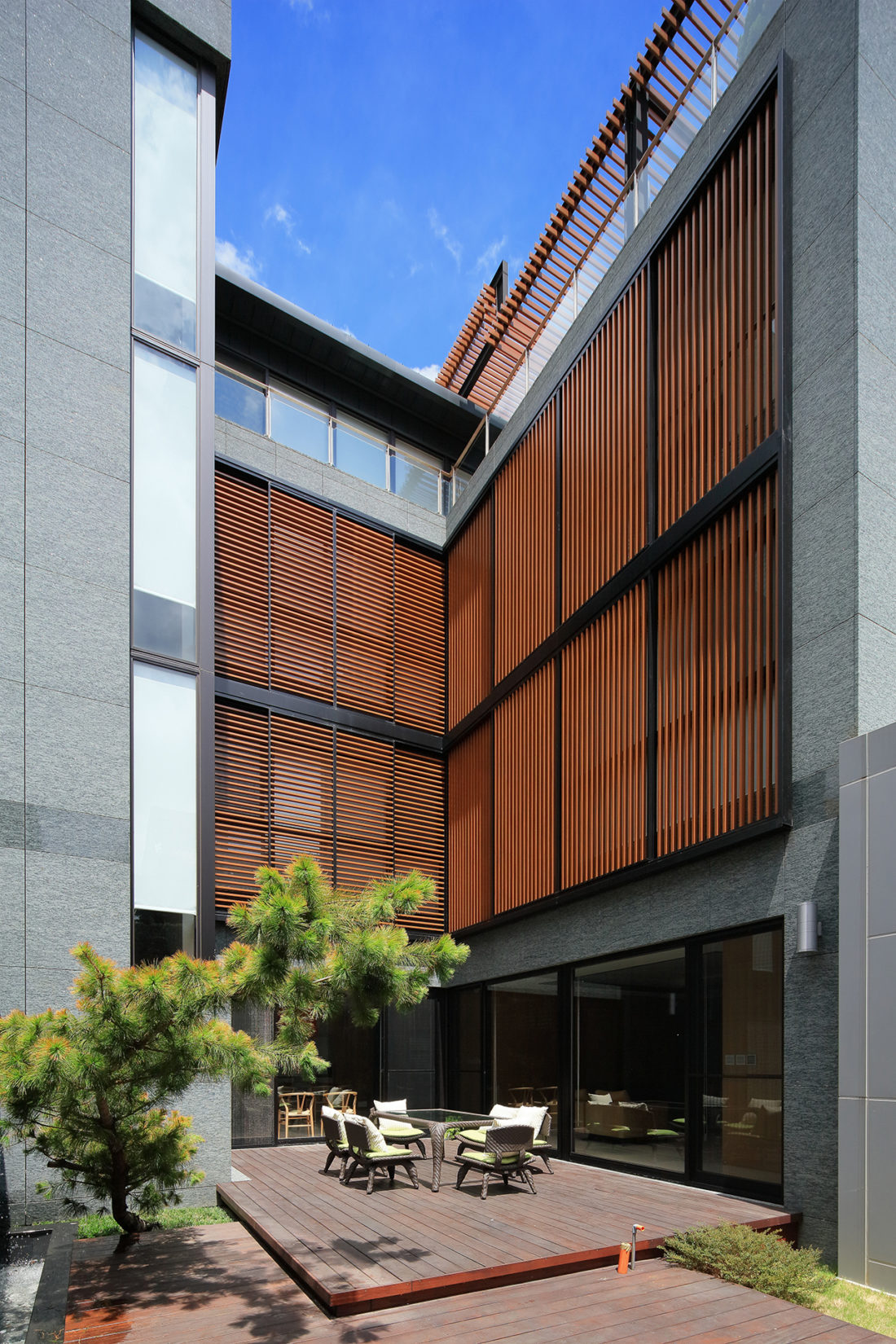
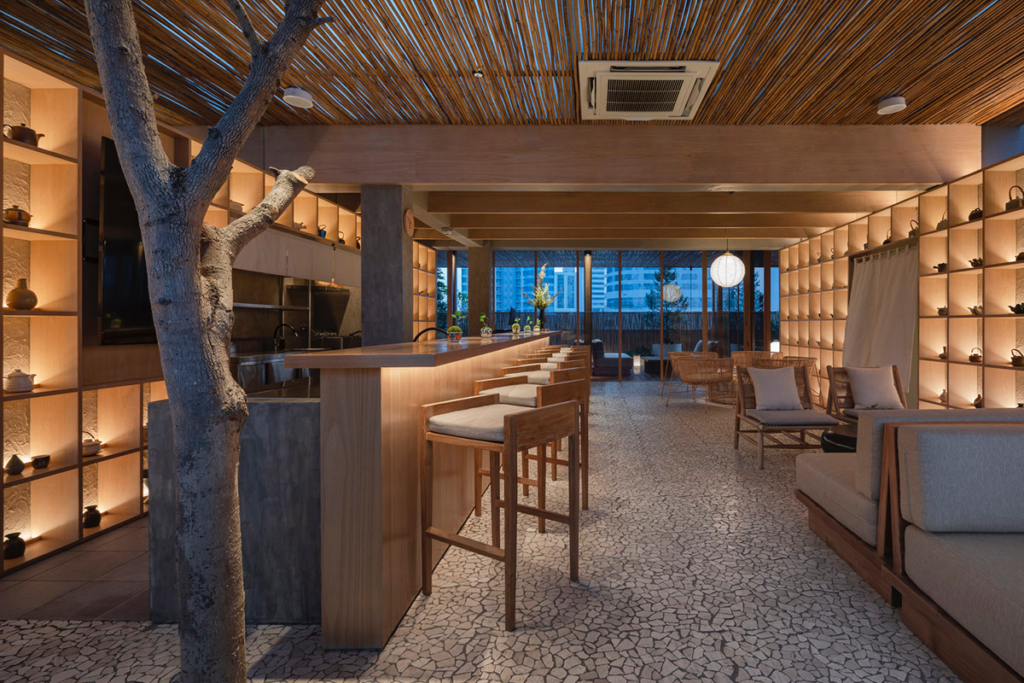
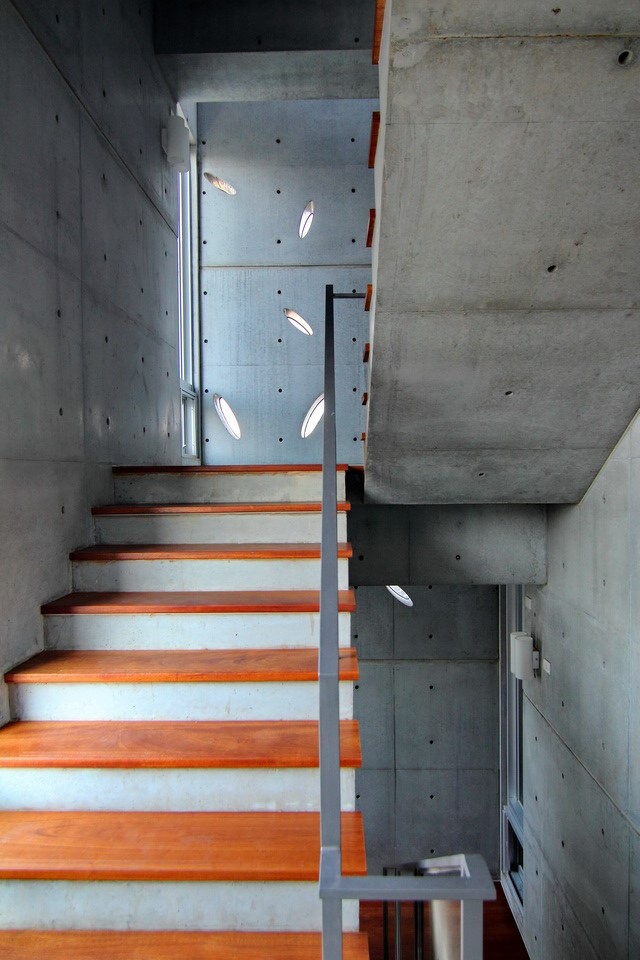
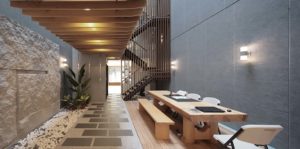
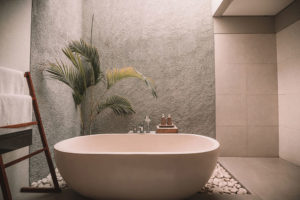
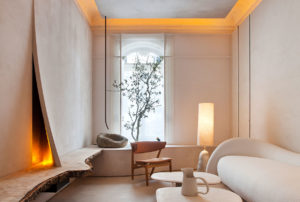
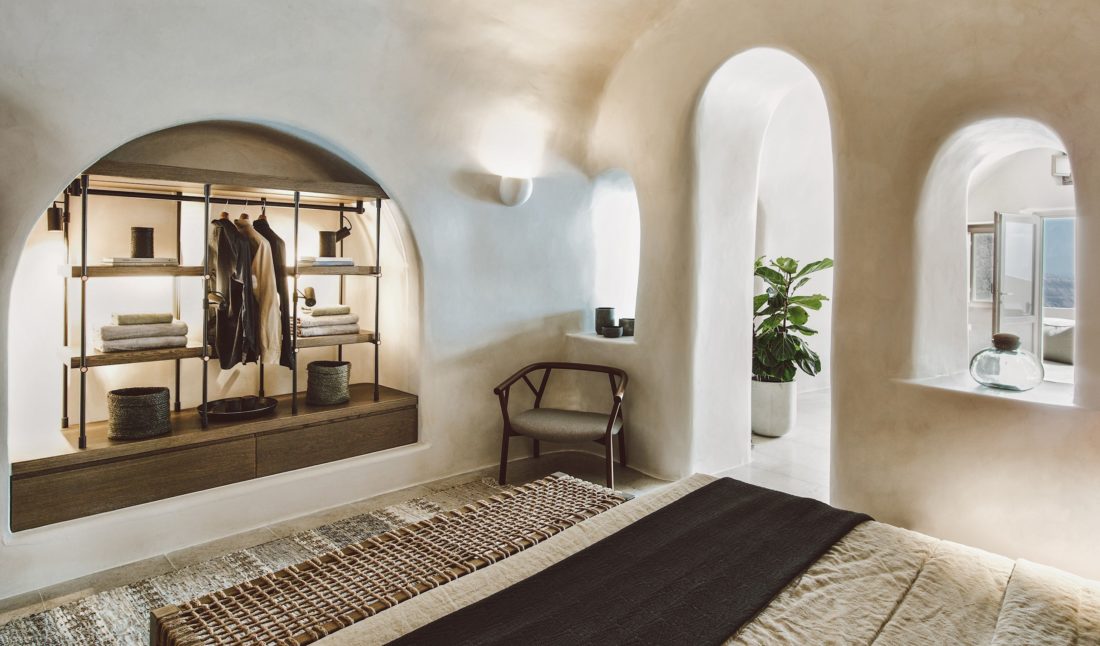
  • Style Expression: Through natural materials such as mineral paints, raw wood, and stone, the space presents a tactile and irregular texture, showcasing the marks of use and the aged feel of the furniture—all integral parts of life. The space won't become outdated with changing trends; instead, it will accumulate a deeper quality over time, becoming more charming and appealing with age.

2. Minimalist Home Decor Design

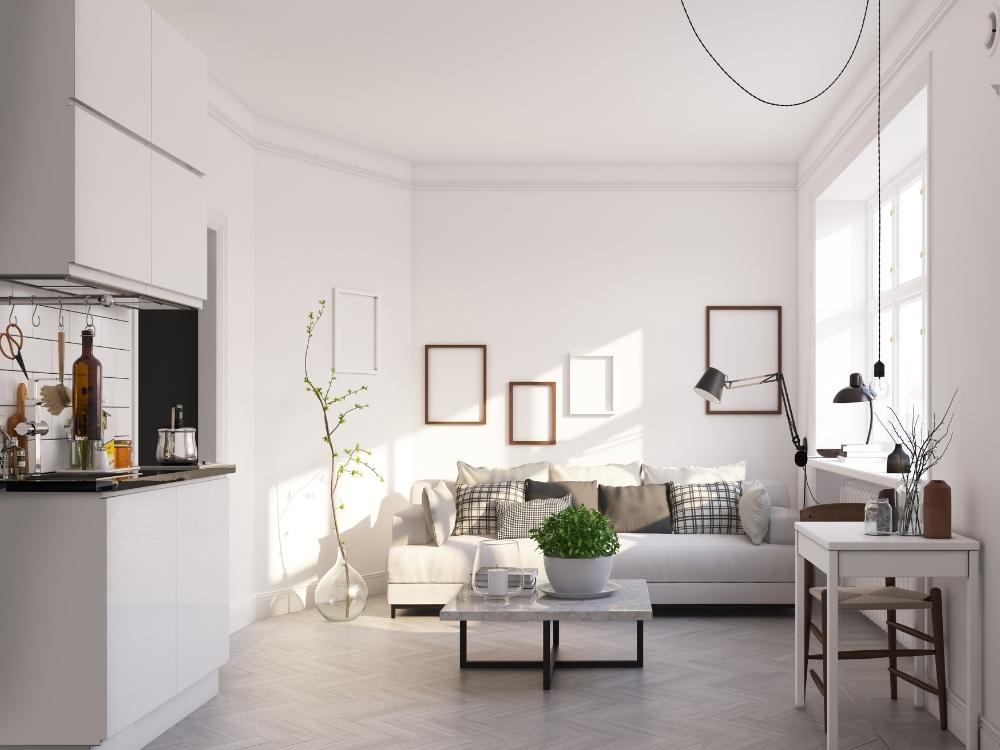
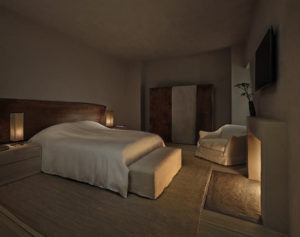
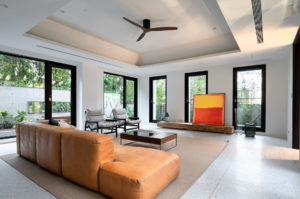
  • Style and Tone: Emphasizing order, proportion, and functional integration, it creates a simple yet warm minimalist aesthetic through soft colors, warm materials, and subtle lighting.
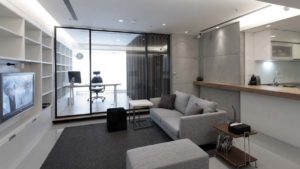
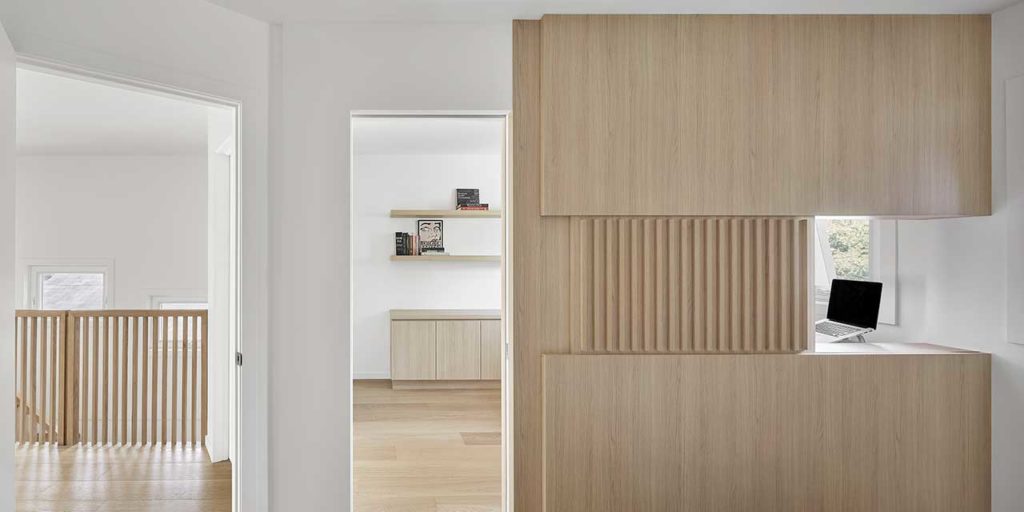
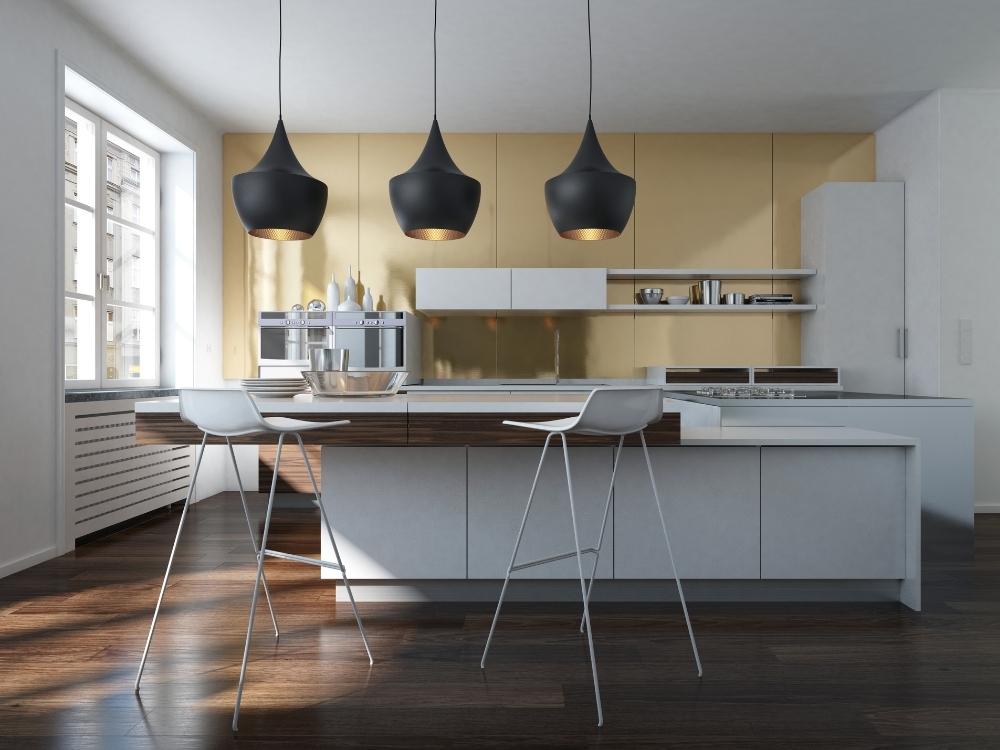
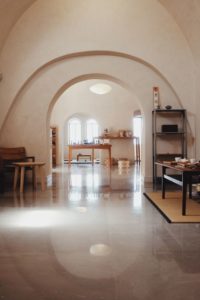
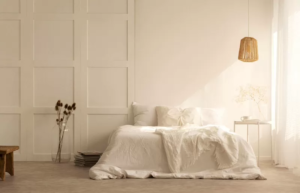
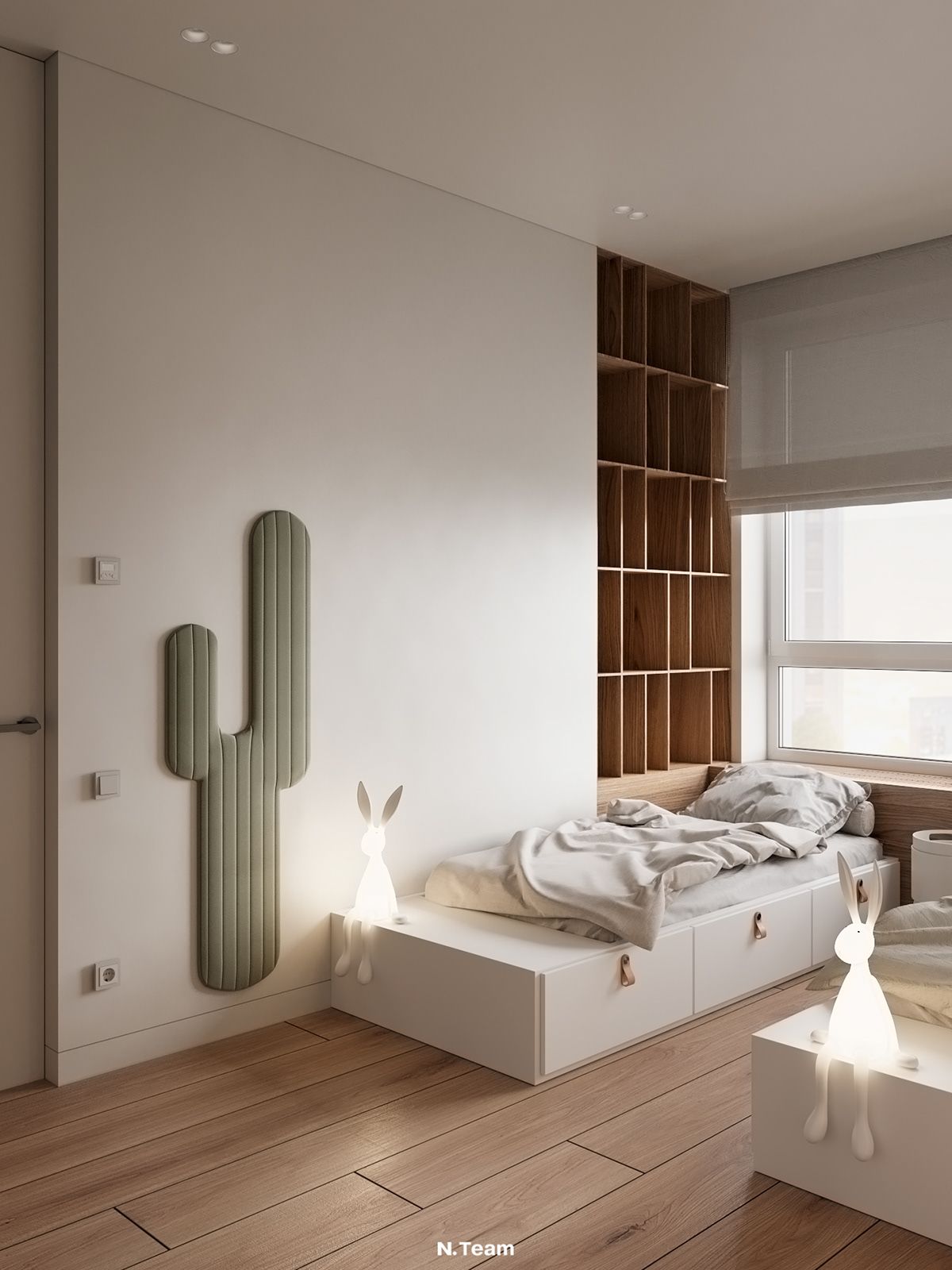
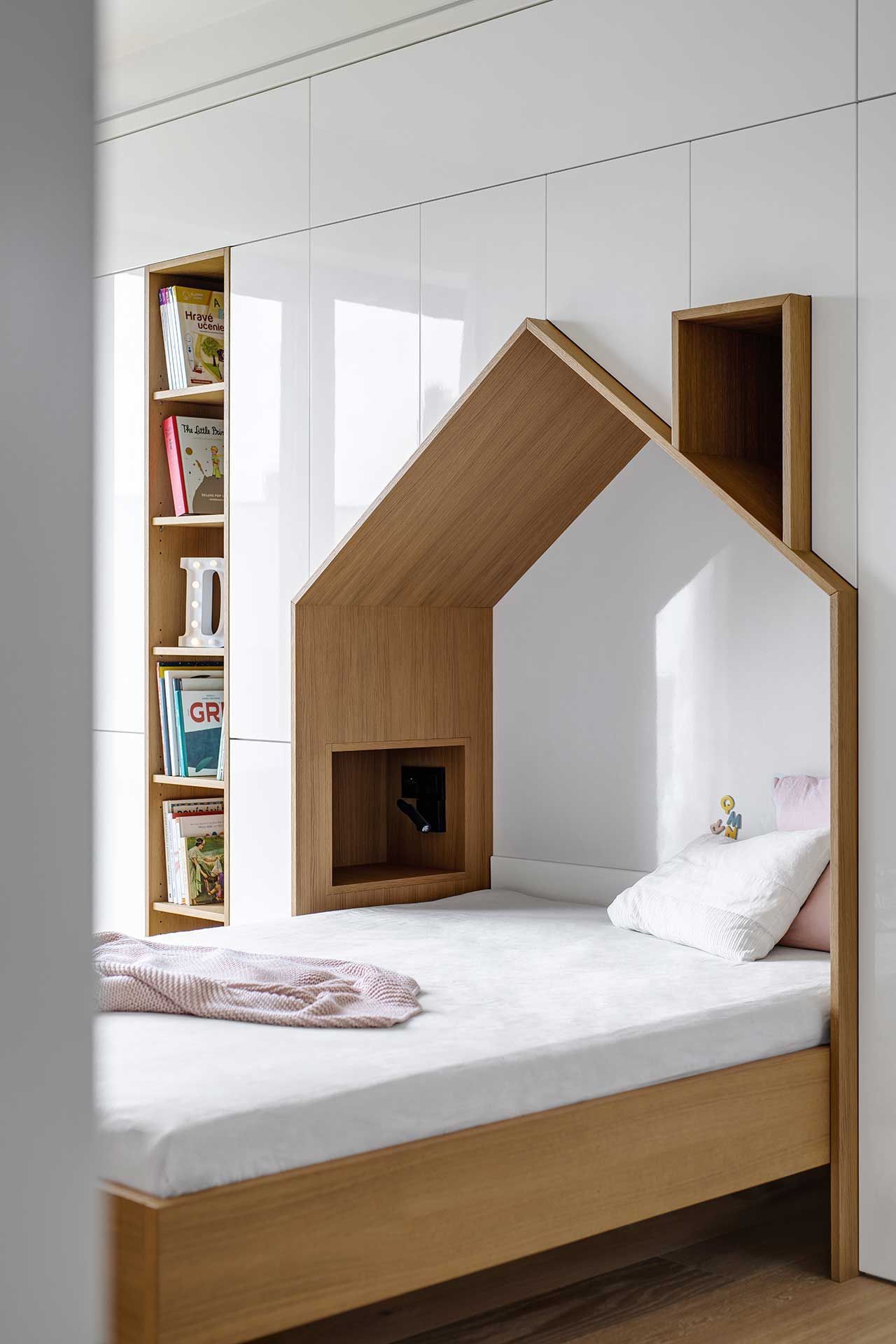
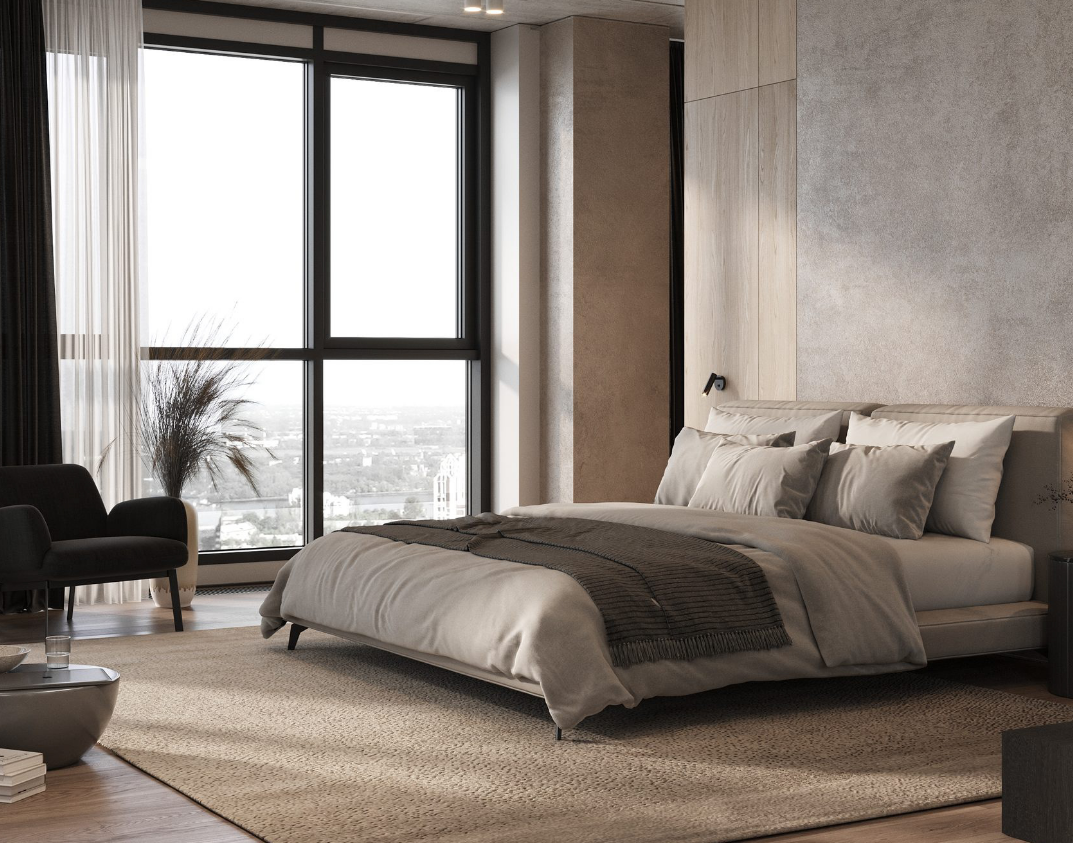
  • Style Expression: Emphasis is placed on storage integration and traffic flow planning to maintain a clean visual appeal while enhancing convenience. Concealed cabinetry, simplified lines, and unified colors bring the space back to its purest form, reducing distractions and allowing residents to focus more on their daily lives. When design doesn't over-intervene, it can better accommodate changes in life at different stages.


For minimalist interior design and renovation, look no further than B-Studio. 

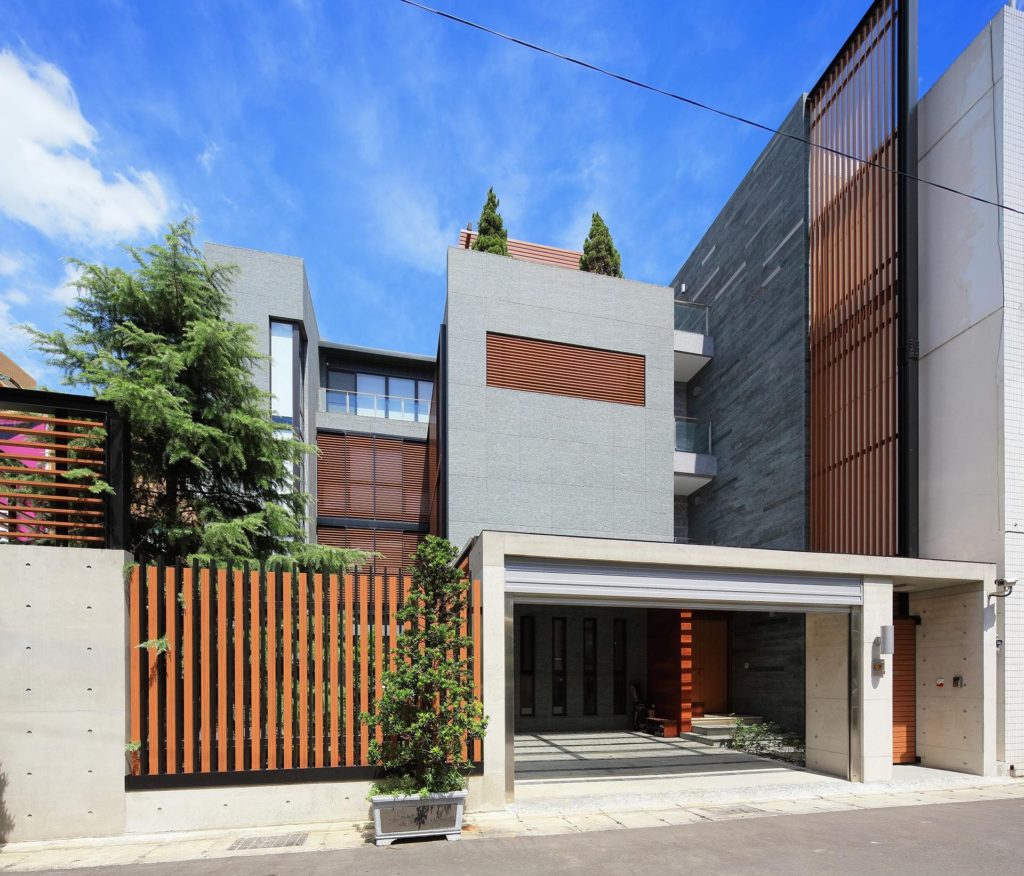
B-STUDIO Dedicated to integrating natural elements and minimalist aesthetics into daily life, B-STUDIO prioritizes concepts such as nature, sustainability, health, and green building. Their designs emphasize "simplifying complexity" and a people-centered approach. Regardless of changing interior design trends, B-STUDIO ultimately focuses on the daily needs of its residents, using proportion, light, and materials to create truly timeless homes. The core of their design philosophy is to make space an extension of life, rather than being confined by stylistic frameworks. Their designs don't chase fleeting trends but allow residents to develop their own unique style over time. They let life unfold naturally, ensuring the space remains serene and aesthetically pleasing in the future.


Click the link to learn more:B-STUDIO

碳中和

What is Carbon Neutrality? Understanding Taiwan's 2030 ESG Green Building Net Zero Carbon Emissions Target


Taiwan officially announced in March 2022Taiwan's 2050 Net Zero Emissions Pathway Blueprint"As climate change caused by human activities becomes more and more serious, "carbon neutrality" has become a global focus.


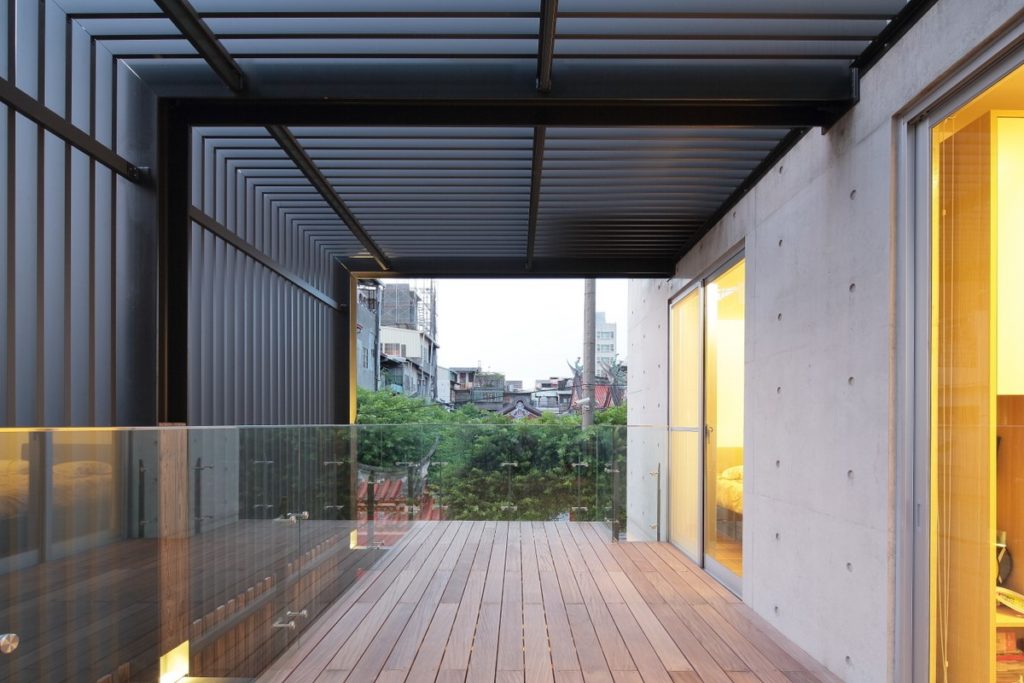
To achieve the goal of carbon neutrality, in the field of construction,Operational carbon generated during constructionand Embodied CarbonGreen building design has become a key trend in the transformation of the construction industry in order to achieve near-zero carbon buildings or ESG-compliant buildings.


In this article, B-Studio will help you quickly understand what carbon neutrality means and its impact on the environment.


文章作者


What does carbon neutrality mean?


carbon neutralityIt refers to the total amount of carbon dioxide emissions directly or indirectly generated by a country, enterprise, product, activity or individual within a certain period of time. By using low-carbon energy to replace fossil fuels, afforestation, energy conservation and emission reduction, etc., to offset the carbon dioxide emissions generated by itself, the positive and negative offsets are achieved, and relative "zero emissions" are achieved.


There are generally three approaches to achieving carbon neutrality:


Carbon neutrality approach 1: Adopting low-carbon or zero-carbon technologies


This means reducing carbon emissions at the source, for example by replacing traditional fossil fuels with renewable energy sources like solar and wind power to lower CO2 emissions. In the long term, the goal is to ensure that all energy comes from low-carbon sources, balancing carbon release with the Earth's natural absorption rate.


Carbon neutrality approach 2: Carbon offsetting


When certain carbon emissions cannot be completely avoided, we can offset our own emissions by planting trees, conserving forests, or purchasing renewable energy certificates. In other words, we can help the Earth "reduce carbon emissions" elsewhere to balance our own emissions.


Carbon Neutrality Practice 3: Carbon Emissions Trading


Companies can meet their carbon neutrality needs by purchasing carbon credits. Simply put, "carbon credits" are the "right to emit carbon," usually calculated in units equivalent to one metric ton of CO₂ emissions. Industries can obtain carbon credits to comply with the Taiwanese government's carbon control regulations or respond to the carbon neutrality requirements of international supply chains and initiatives.


Taiwan established in 2023Taiwan Carbon ExchangeAssist enterprises to achieve carbon neutrality goals and strike a balance with industrial growth and development, and promote overall emission reduction efficiency.


Taiwan's carbon neutrality goal


In response to the increasingly serious climate change, countries around the world have set carbon neutrality target schedules, including the European Union, Japan and South Korea, which have pledged to achieve carbon neutrality by 2050. In Taiwan, the National Development Council announced in 2022 thatTaiwan's Path to Net Zero by 2025", and further announced new carbon reduction targets as follows:


  • By 2030, the country's net greenhouse gas emissions will decrease by 28±2% compared with 2005.
  • In 2032, the country's net greenhouse gas emissions will decrease by 32±2% compared with 2005.
  • By 2035, the country's net greenhouse gas emissions will be reduced by 38±2% compared with 2005.


inFor the construction sectorThe government has completed 2050 Net Zero Emissions Pathway and Related Measures Planning, so that the entire construction department can follow, the goals are divided into three stages, as follows:


  • 2030: New public buildings will achieve energy efficiency level 1 or near-zero carbon buildings.
  • 2040: 50% existing buildings will be updated to energy efficiency Class 1 or near-zero carbon buildings.
  • 2050: 1,00% new buildings and more than 85% buildings will be near-zero carbon buildings.


Understanding Net Zero Carbon Emissions


Also known as net zero emissions, net zero emissions does not mean no emissions, but rather efforts to minimize human-caused greenhouse gas emissions, and then offset them with negative carbon technologies, forest carbon sinks and other methods to achieve net zero emissions. The difference from carbon neutrality is that carbon neutrality focuses on the balance of carbon dioxide, while net zero emissions cover all greenhouse gases.


Net-zero building promotion


The "Net Zero Building" path covers four main driving axes, including:


Net Zero Building Task 1: Improving the Energy Efficiency of Newly Built Buildings


  • Establish a building energy efficiency assessment and labeling system
  • Encourage more buildings to apply for green building certification
  • Strengthen building energy efficiency regulations and control new public and private buildings


Net Zero Building Task 2: Improving the Energy Efficiency of Existing Buildings


  • Subsidize private sector efforts to improve energy efficiency of existing buildings
  • Gradually mandate energy efficiency improvements for existing public buildings
  • Promote energy-saving performance assurance projects
  • Encourage companies to include building energy efficiency in their corporate sustainability reports


Net Zero Building Task 3: Improve the Energy Efficiency of Appliances and Equipment


  • Improve energy efficiency benchmarks for household appliances in stages
  • Continuing assessment of the preferential tax reduction for goods
  • Amend apartment building management regulations to facilitate the installation of charging facilities


Net Zero Building Task 4: Research, Development, and Promotion of New Technologies and Methods for Building Energy Conservation and Carbon Reduction


  • Introducing innovative energy-saving technologies into buildings
  • Research and development of building carbon reduction methods and technologies


What is a carbon-neutral green building?

綠建築標章


Taiwan's construction industry accounts for 28.3% of the country's total energy consumption. To create an energy-saving, low-carbon, healthy and environmentally friendly living environment, the Ministry of the Interior has actively promoted green buildings for many years and established a green building label evaluation system.Green Building Label, and issued for buildings that have completed planning and design and obtained construction licensesCandidate for Green Building CertificateTwo items.


9 indicators for Green Building Label assessment


Large indicator group

Indicator name

Evaluation Key Points

ecology

1. Biodiversity indicators

Ecological green network, microbial habitats, plant diversity, soil ecology

2. Greening quantity index

Greening amount, CO₂ fixation

3. Base water retention index

Water retention, storage and infiltration, soft flood control

Energy saving

4. Daily energy saving indicators (necessary)

Energy saving for housing, air conditioning and lighting

waste reduction

5. CO₂ reduction index

CO₂ emissions from building materials

6. Waste reduction indicators

Earthwork balance and waste reduction

healthy

7. Indoor environment indicators

Sound insulation, lighting, ventilation, building materials

8. Water resource indicators (essential)

Water-saving devices, rainwater, and greywater reuse

9. Sewage and garbage improvement indicators

Rainwater and sewage diversion, garbage sorting, and composting


Green building grade


From qualified to the best, there are five levels: qualified, bronze, silver, gold, and diamond. In addition to being in line with international trends, this grading assessment system requires that in order to pass the assessment and obtain the "Green Building Label" or "Candidate Green Building Certificate", at least four indicators must be achieved, including two required indicators of "daily energy saving" and "water resources", and optional indicators of any two from the other seven indicators.


To learn more, read further:

A green building that coexists with the environment! What is a green building? Understand the characteristics, indicators and cases of green buildings


Embodied Carbon


碳中和綠建築指標_隱含碳


To achieve the goal of net-zero buildings, we must focus on the total carbon emissions of the building throughout its life cycle, which includes embodied carbon and operational carbon.Embodied carbon, also known as embodied carbon emissions, refers to the carbon emissions of a building during the four stages of production and transportation of building materials, construction, renovation and demolition..


Low Carbon Building Label


To encourage builders, architects, and related industries to invest in the construction of low-carbon buildings and reduce the carbon emissions of buildings during the production and transportation of building materials, construction, renovation, and demolition stages, the Ministry of the Interior's Building Research Institute has established a low-carbon building labeling system based on the internationally recognized EN15978 full life cycle building carbon footprint assessment standard.


Low Carbon Building Labeling System


There are seven levels from high to low: level one, level two, level three, level four, level five, level six, and level seven. Low-carbon buildings refer to buildings with a carbon emission labeling level of level four or above.


operational carbon


碳中和


Also known as carbon emissions, it refers to the use of building energy throughout its life cycle. In simple terms,Carbon emissions mainly come from the energy required to operate the building, such as lighting, water, electricity, etc.

Building Energy Efficiency Labelling

Ministry of the Interior Architectural Research InstituteTo improve the energy efficiency of Taiwan's buildings and help achieve the 2050 net zero building goal, the building energy efficiency is calculated using the Green Building Standard's daily energy-saving indicators, including the building's outer shell energy efficiency, air-conditioning system energy efficiency, and indoor lighting system energy efficiency, as a method for assessing building energy efficiency levels.

Building Energy Efficiency Labelling System

The energy efficiency rating of buildings is divided into levels 1 to 7 from high to low.

To learn more, read further:Green decoration embraces sustainable living: How to create a sustainable and comfortable living space through environmentally friendly material selection and energy-saving design?

What is a near-zero carbon building?

Buildings with a building energy efficiency rating of Level 1 and an energy efficiency score in the top 50% are considered near-zero carbon buildings and are designated Level 1+.In the future, buildings that achieve near-zero carbon building ratings will save about 50% energy, and the remaining electricity consumption will need to rely on renewable energy to achieve carbon neutrality and zero emissions, making them net zero buildings.

esg Architecture Trends

With growing awareness of environmental protection, social responsibility, and corporate governance (ESG), businesses are moving beyond a focus on economic returns and are actively addressing sustainable development issues. In line with this trend, a growing number of private enterprises are responding to government-driven green building policies and energy-saving and carbon-reduction initiatives, incorporating ESG principles into building design and operational management.

To learn more, read further:

ESG Guide | The office can also teach you how to implement corporate social responsibility through employee care, green energy and environmental protection!

Building a Sustainable and Low-Carbon Architectural Firm|B-Studio


B-Studio Our design concept is derived from the core values of nature, sustainability, health and green architecture. We uphold the aesthetic spirit of simplicity and pristineness, plan the overall space according to the circular context, and allow architecture and nature to coexist harmoniously to create a sustainable and low-carbon building.


What is well certification? Learn about the standards, grades and costs of well international healthy building certification

existepidemicAfter that, people-orientedSustainabilityThe concept began to gain attention.wellcertificationIt first launchedInternational Healthy Building CertificationIn order to provide clearer standards for healthy buildings, this article will introduce what is well certification, as well as the standards, grades and certification fees of well certification. It will also share the well healthy building certification inThe case of Taiwan.


How to create sustainable and healthy buildings is the goal of everyone's efforts.B-StudioWe have laid a solid foundation in architecture, interior design and space, and in addition to providing clients with designs that best meet their requirements, we are committed to building a more inclusive environment.


文章作者


What is the well international healthy building certification?


What is well certification?


Well International Healthy Building Certification is the first building assessment standard that takes people as the basis, considers the interaction between people in the interior space of a building, and how to improve the health and well-being of building users in the building. After seven years of research and dialogue, it was established by experts from various fields around the world.well v2Through up to10 topicsEnsure the indoor health quality of building users. Today, the international community's concept of sustainable development has gradually moved from the green building era to the healthy building era, and the well certification is a building assessment certification based on people that complements the green building certifications that were not included in the past.


The establishment of well certification


Well certification was first proposed by Delos in 2013, a real estate service company based in New York. Later, well certification was transferred to IWBI for management. In 2014, GBCI began to serve as a third-party certification unit and launched the first version in the same year. Well v1 focused on seven major themes such as air, water, and light. The second version of well, which was officially launched in 2020, was affected by the epidemic era and the testing items were extended toTen themes, hoping to pay more comprehensive attention to human health and well-being.


What does the well International Healthy Building Certification 10 Standard focus on? Grades and costs?


The well v2 certification standard is divided into 10 topics: air, water, nutrition, light, movement, thermal comfort, acoustic environment, materials, spirit and community. The following will introduce the content of each topic test and the reasons for paying attention to it:


wellCertification Standard 1: Air


People spend about 90% of their time in a closed space. Indoor air pollution can also affect human health. Well v2 Air Theme not only focuses on air quality, ventilation system,Contaminant penetration managementAnd so on, which is also the basis for its rating.


Well certification standard 2: water


The quality of drinking water also affects the prevalence of infectious diseases. In addition to taking care of the drinking water provided to users, the heating and cooling systems, bathroom facilities and even the internalhumidity, all must be tested.


Well Certification Standard 3: Nutrition


Healthy eating habits have the potential to prevent diet-related diseases, such as cardiovascular disease, hypertension and diabetes. The food provided in the building is also a project for the well v2 certification audit. Can it allow building users to obtain a more balanceddietIntake is also the focus of healthy buildings in the new era.


wellCertification Standard 4: Light


Studies have shown that in office environments, bright light is closely related to employee performance. The brightness and location design of indoor lighting systems, or circadian rhythm lighting design, are key to making indoor spaces more comfortable.


Well Certification Standard 5: Sports


In recent years, people's lack of physical activity has also become a focus of public attention. Therefore, the architectural environment will also respond to this issue and build buildings into tools that can improve health and encourage building users to increase their physical activity, such as promoting exercise through architectural space planning and reducing static behavior, or providing places where standing and sitting can alternate.


well certification standard 6: thermal comfort


Thermal comfort refers to satisfying personal preferences for thermal environment through the design and control of heating systems.Improve work efficiencyAccording to research results, employees' work efficiency decreases by an average of 15% in an overheated environment, but in an overcooled environment, the average work efficiency also decreases by 14%.


well certification standard 7: acoustic environment


When the human body is overexposed toNoise environment, will increase the incidence of myocardial infarction. Even if there is not often excessive traffic noise in the building space, the noise of air-conditioning pipes, household appliances, and other residents in the building will also affect the user's comfort. How to design a comfortable sound environment space is a big challenge.


Well certification standard 8: materials


Whether in construction, decoration, operation or renovation, the materials used and the chemicals contained therein exist in the building, affecting users over the years and causing these toxic substances to accumulate in the human body, causing health problems for building users. Well v2 will also review the materials used in buildings and the management mechanism of indoor hazardous materials.


Well Certification Standard 9: Spirit


Mental illness has become a major health problem affecting people today. How the architectural environment can alleviate users’ mental stress through policies and design is also a project that needs to be considered. Creating a healthy and positive working environment can relieve employees’ anxiety andDepressionNegative emotions can also effectively improve the work quality of employees.


Well Certification Standard 10: Community


A community is a network of people gathered in a building space. In this network, people of different identities, genders and races are formed. How to provide an inclusive space and policy is the focus of this theme. For example, through a nursery or parental leave, a more supportive working environment is provided for parents.AEDFirst aid equipment such as emergency weapons are also very important for collective safety in emergencies.


How are the well certification levels divided?


Well v2 authentication is divided intoFour levels, respectively Bronze, Silver, Gold and Platinum. Bronze is a new level added in v2. The 10 themes mentioned above are used as scoring standards. Each theme can get up to 12 points, and the total score is 100 points. In addition to the above themes, there is an additional creativity standard. This scoring system, except for the Bronze level, has a minimum score that must be obtained in each theme.


How to calculate the certification fee?


well certifiedSquare FeetTo do the calculation, you must first pay aMembership registration feeThe fee is $3,000. The membership can be maintained for three years. After that, it is calculated based on the evaluation area, and it costs $0.16 per square foot. If the building needs to be re-certified after three years, the fee per square foot will drop to $0.05. The reason why the well certification fee is higher is that its evaluation criteria must bePersonnel actually arrived at the siteInspection, and then provide it to a third-party agency for testing.


Why do Taiwanese buildings need the well-healthy building certification?


The purpose of well certification is not only sustainable development!


Sustainable development is no longer limited to green buildings. Human health and well-being is also a major principle that is valued today. Under the consideration of various topics, well certification can not only provide a more comfortable and healthy environment for working employees and customers using the building, but also increase the reputation of the building itself and enhance the building's value in the market.


  1. Improve employee productivity

Many research reports point out that a comfortable working environment can help employees improve their work efficiency and enable the operating company to achieve higher achievements. A good environment can also enhance the corporate image.


  1. Provide customers with a more comfortable and healthy environment

For long-term care and confinement centers, customers need to live in the building for a long time, and the quality of the environment will directly affect customer satisfaction. Through the well healthy building certification, customers will have more confidence in the quality of the service agency when making a choice.


  1. Increase the value of the building in the market

When a building is well-certified,Enhance the value of the building itself, and in the marketIncrease rental rates, while also reducing the operating costs of the building.


WellHealthy Building Certification Ratio and Trend in the World


In 2016, well certification has been used by more than 200 projects across 21 countries. By 2024, as many as 130 countries have participated in the certification, and the number of buildings receiving certification has reached 74,000. In recent years, many buildings in Taiwan have also attached importance to well certification, such asTaipei 101In 2023, it obtained the platinum certification of well healthy building with the highest score, making its building always favored by enterprises in the fiercely competitive commercial office market in Xinyi District.


B-Studio|Building a sustainable and healthy future for you


B-StudioWith nearly 20 years of design experience, B-Studio has accumulated outstanding works in architecture, interior design and space design, and has won numerous international design awards. B-Studio takes nature, sustainability, health and green architecture as its design concept, and restores the appearance of life for users with simple and rustic design. It has a design team of floral art, landscape design, graphic design, etc., and also provides customers with the most comprehensive design services.


If you have any needs or questions,Welcome to consult and contact us!


B-Studio Advantages


  • Sustainable and healthy design concept: The design concept of sustainable development provides a longer-term design vision for the building
  • Integrated service: From building exterior, interior to furniture, providing unified window communication to simplify cumbersome construction processes
  • Comprehensive design services: We have teams in floral design, landscape design and graphic design to provide customers with more complete and comprehensive designs.


Further reading:

Lighting and ventilation have many benefits. Here are six designs to create an anti-epidemic space.

Let Feng Shui bring you luck, seven designs to bring you good luck


References:

WELL Building Standard – Wikipedia

Taipei 101 sets the highest WELL score record! The world's tallest healthy green building is in Taiwan | United News Network

Attending the Taipei 101 "WELL Healthy Building Platinum Certification" awarding ceremony, Vice President of the Long-term Encouragement to Continue to Implement Energy Conservation and Carbon Reduction and Create a Circular Economy


ONLINE CONSULTING / Online consultation form

https://reurl.cc/lzD09j

https://reurl.cc/o87973

https://reurl.cc/OYvXVg

https://reurl.cc/pa6mZd

B Studio Award-Winning Architectural Design

What is green design? Analyze the definition, principles and innovative applications of sustainable design

As global environmental problems intensify,Green DesignNo longer just a trend, but a driving forceSustainable Developmentimportant criteria. How to integrate environmental protection concepts into architecture, product design and daily life? Do you think that simply putting green plants in a space can be called sustainable design? This article will beGreen building expert B-Studio In-depth analysis of the core concept of green design, from itsOrigin background, design principles, practical examples, taking you to explore how green design can change our lives and future.


文章作者


The origin of green design: from environmental awareness to sustainable innovation


1960s: The rise of designers’ social responsibility


Green design originated in the mid-20th century by American design theorists. Victor Papanek In the 1960s, a book titled Design for the Real World was published, which clearly proposed for the first time that design should aim to reduce the impact on the environment rather than simply pursue commercial value, officially opening the prelude to green design.


1970s: Energy crisis and rising environmental awareness


In 1972, the United Nations held the "Conference on the Human Environment" in Stockholm, Sweden, and issued the "Manifesto of Humanity", which represented the first time that environmental issues received international attention. The oil crisis in the 1970s made people realize the limited nature of resources. Countries began to pay attention to resource conservation and energy efficiency, which led to the further development of the concept of green design.


Late 1980s: Green consumption and design return to moral responsibility


In the late 1980s, environmental pollution, ozone layer depletion and global warming emerged, and the European and American societies were in a state ofGreen consumption"wave. Consumers are beginning to pay attention to the environmental attributes of products, and companies are investing in sustainable development technologies, driving the rise of "green products." The design community has also re-examined its own role, emphasizing circular economy, resource efficiency and ecological sustainability, and incorporating these concepts into design practice.


1990s to present: From trend to standard, green design becomes a global consensus


Since the 1990s, the United Nations and governments have successively formulated sustainable development policies, such as the United Nations SDG12"Responsible consumption and production" goals, and the EU's ESPRThe "Sustainable Product Eco-Design Specification" has transformed green design from a designer's personal ideal into a global industry standard, promoting design towards a more efficient, environmentally friendly and sustainable direction.


Green design definition, what is the difference between it and sustainable design?


Green design is aEnvironmentally friendlyA thoughtful design approach that emphasizes reducing resource consumption, reducing pollution, and improving recyclability and renewability during product design, construction, or manufacturing, so as to meet usage needs while also being responsible for the environment.


However, with the evolution of design concepts, the concept of green design has gradually beenSustainable Design(Sustainable Design)". In a broad sense, both focus on environmental protection and advocate reducing resource waste and pollution, but their scope and considerations are different.


Sustainable Design:


Green design focuses on the harmonious coexistence of design and ecology, while sustainable design covers a wider range of issues. In addition to environmental factors, it also considers social and economic aspects, emphasizing the systematic development of various aspects from product life cycle, supply chain management to labor rights. Therefore, green design can be considered as part of sustainable design.


Green Design

Sustainable Design

Focus on the target

Reduce environmental impact and increase recycling and reuse

Balancing environmental protection, social equity and economic feasibility

Scope of application

Environmental protection measures in product design, construction and manufacturing processes

Full life cycle management, including supply chain, consumer behavior, etc.

Practical methods

Use environmentally friendly materials, improve energy efficiency, and reduce carbon footprint

Establish a sustainable business model to promote social equity and economic development

Impact Level

The product itself and the production process

Corporate decision-making, industrial development, and social impact

Time perspective

Short-term reduction of environmental burden

Ensure the long-term sustainable development of resources and society


綠色設計

Green Design Principles


Traditional design thinking focuses more on function and market value, while the concept of green design emphasizes reducing the impact on the environment. The following are the 4R core principles of green design.


Green Design Principle 1: Reduce


In product design, consider how to reduce material usage and resource consumption in the production process, such as designing lightweight products or using environmentally friendly materials to reduce carbon footprint.


Green Design Principle 2: Reuse


Emphasize the durability and versatility of the product so that it can be used multiple times during the use phase, such as electronic products with replaceable parts or detachable furniture.


Green Design Principle 3: Recycle


Choosing materials that are easy to decompose and recycle, or designing products that are easy to disassemble so that the materials can be recycled, such as recyclable plastics or metals, can help reduce waste accumulation.


Green Design Principle 4: Repair


Encourage the design of products that are easy to repair and extend their service life. Interchangeable parts and simple repair processes reduce waste and delay the time it takes for products to enter waste treatment systems.


You can also refer toMinistry of Environment, Resources and Waste Management AgencyProposed green design principles:


綠色設計原則_環境部資源循環署


  • Use a single material, reduce the number of materials, or avoid using composite materials.
  • Use a certain ratio or amount of recycled materials.
  • Easy to disassemble and modular, with certain maintainability.
  • Enhanced durability for longer life.
  • Limit or prohibit the use of environmentally harmful substances.
  • It can be fully recovered and recycled after disposal.
  • Necessary measures to reduce waste generation at each stage of the life cycle, including manufacturing, sales, and use


EU ESPR Act promotes green design upgrade


In June 2024, the European Union announced the ESPR Act, which strengthens the green design principles, requires products to consider environmental impacts at the design stage, improve durability, repairability and recyclability, and reduce the use of hazardous substances. It encourages companies to use sustainable materials, improve product circularity, and create digital passports to increase transparency. The bill also combines green public procurement to encourage the government to choose environmentally friendly products, promote the market's transformation towards sustainable development, and accelerate the practice of the circular economy.


Green Design Example: Green Building Materials & Green Architecture – B Studio’s Design Work “Zuyuanju”


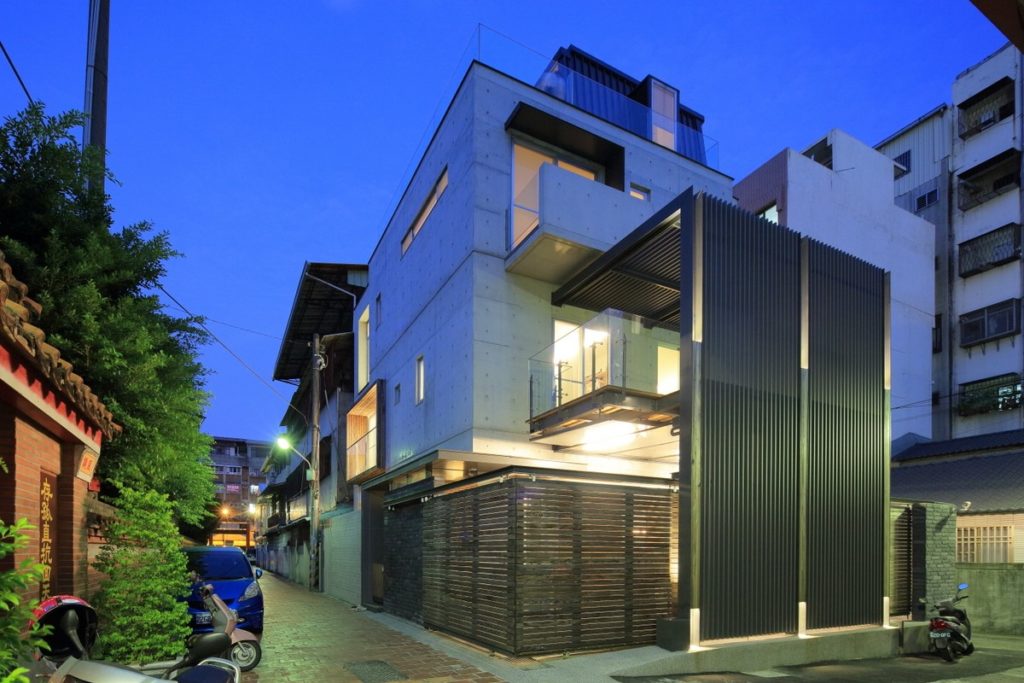
B Studio's green design architectural works: Zuyuan Residence (won K-DESIGN AWARD and many other international design awards)


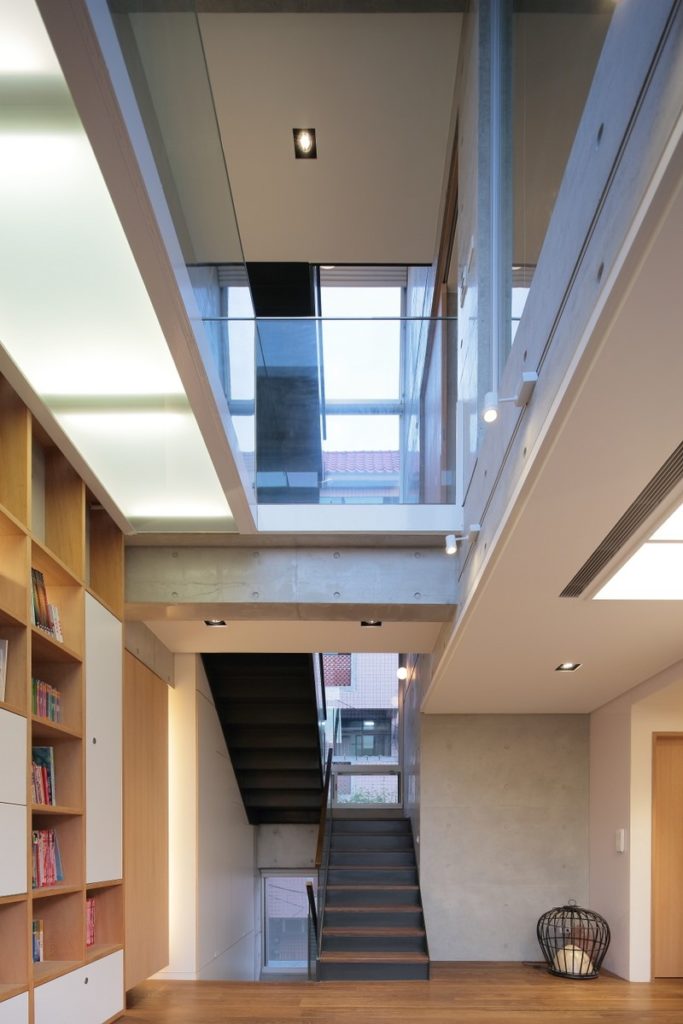
The green application of this building is in line with the concept of sustainable design, which not only improves the living environment but also reduces the burden on the environment. Using timeless and environmentally friendly fair-faced concrete as the main material reduces resource consumption during decoration and construction, achieving a balance between simplicity and beauty. The glass surface design of the exterior can effectively insulate, reduce the absorption of solar heat, and reduce the need for air conditioning. The abundant daylight entering the room also reduces the need for artificial lighting. The arrangement of wall gaps, aluminum grilles and open spaces greatly improves air circulation, ensuring comfort and ventilation inside the building.


/Extended Reading/ A green building that coexists with the environment! What is a green building? Understand the characteristics, indicators and cases of green buildings


Create green buildings, coexist and prosper with the earth's environment, B-STUDIO Tailor-made design for you!


B-STUDIO We are deeply rooted in the concepts of nature, sustainability, health and green architecture, and use a simple and rustic style to adapt to the environment and configure space, meeting the needs of modern enterprises for sustainable development. It has outstanding works in the fields of architecture, interior and space design, and has won many international design awards such as the German IF Design Award, the Italian A' Design Award, and the Japanese GOOD Design Award, proving its outstanding strength.


B-STUDIO's professional team has nearly 20 years of rich experience and can deeply understand the needs of different owners, industries and brands. Through meticulous communication, they optimize every design detail to ensure that customer expectations are perfectly presented. Limited space, unlimited possibilities.Contact B-STUDIO now, let us design an ideal office space that is efficient, open, and highly functional for you!


/ Browse more design works of B-STUDIO / https://www.b-studio.com.tw/tw/works/


/ Extended reading / ESG Guide | The office can also teach you how to implement corporate social responsibility through employee care, green energy and environmental protection!


Office design case summary, must-see 3 popular styles and 6 decoration key points to create a sense of order in the space (latest in 2025)

Office design trends continue to evolve, shifting from traditional single spaces to multifunctional hybrid layouts, redefining the ideal working environment.officeDesign is like the core engine of an enterprise, affecting its operational efficiency and momentum. A properly planned workspace can unleash its maximum potential, stimulate team vitality, and drive the enterprise forward at full speed. This article sorts out several practical office design points for you, and shares and analyzes multiple office design cases, from popular styles to interior decoration, to help you create an office space that is both efficient and beautiful.


6 key points of office design:

Demand division to improve space efficiency

The ideal office space should be smoothTraffic flowBased on reasonable functional zoning, it is reasonably configured according to different office needs and department characteristics. For example, open workspaces can promote team collaboration, independent spaces provide a highly focused working environment, and tea rooms and rest areas provide a place for the team to relax and communicate, maximizing space utilization.


Flexible configuration to meet future development needs

The size and working mode of an enterprise may change at any time, and the design of office space should be highly flexible to adapt to future needs. Movable desks, modular furniture and adjustable partition walls allow the space to be quickly adjusted. Many companies also importShared workspace, allowing employees to freely choose their seats and enhance collaboration and innovation.


People-oriented, creating a comfortable working experience

As office concepts upgrade, providing a comfortable working environment can improve employee health and efficiency. Office design should give priority to ergonomic design, such as choosing ergonomic chairs, height-adjustable tables, etc. to reduce employee fatigue, and using large windows to introduce natural light to enhance concentration and improve mood. In addition, good ventilation and noise reduction design can also keep employees in the best working condition.


/ Related Reading / Is there not enough sound insulation? 5 tips to solve indoor sound insulation problems in offices, conference rooms and homes!


Create a space atmosphere with corporate characteristics

The office space is not only a workplace, but also an extension of the corporate values and brand image. Through color matching and atmosphere creation, employees and visitors can naturally feel the corporate culture. For example, the vitality given by orange is suitable for companies with creative and dynamic personalities. The brand LOGO wall in the reception area, the cultural display area in the corridor, and the design elements in the tea room can all strengthen brand recognition and closely connect the space with the corporate spirit.


Light design, comfortable and efficient lighting environment

In addition to natural lighting, office lighting should provide uniform and soft light to avoid glare and dark corners. Local lighting can be supplemented by table lamps, chandeliers or track lights to reduce eye fatigue. Accent lighting can be used in display areas, corporate image walls or meeting areas to highlight corporate characteristics and attract attention through focused lighting. lightcolor temperatureIt also affects the office atmosphere. The refreshing cool white light creates a sense of concentration, while the warm yellow light can soothe emotions.


Incorporating green ideas to make office work healthier

Injecting some green embellishments into the space can not only enhance the beauty of the space, but also improve the physical and mental health and work efficiency of employees. Greening the office does not necessarily require large-scale investment. Simple measures such as choosing low-energy lighting, adding green plants, using environmentally friendly materials, and purchasing energy-saving equipment are all feasible practices.


Office design style 1: modern minimalist style

辦公室設計案例_現代極簡風


The modern style creates an open, bright and orderly working environment through clean lines, simple colors and high-functional furniture, while reducing visual noise to make the space more efficient and comfortable. In this case, large glass partitions are used to separate the open work area and the rest area, which not only retains the sense of transparency but also does not affect the flow of sight. The simple yellow-green leisure chairs and geometric carpets add a touch of vitality, making the space not too cold.


Office design style 2: warm wood style


辦公室設計案例_日式原木


The Japanese log style uses natural and rustic wood tones and textures as the main axis of the space. Through simple wooden furniture and soft tones, it can create a relaxing and friendly atmosphere. The case is an open tea room in the office. From tables and chairs to tea cabinets, the natural wood color enhances the texture of the space, allowing you to heal and recharge yourself with a cup of coffee or tea.


Office design style 3: light luxury retro


Combining modern sophistication with retro elements, the office creates an elegant and personalized workspace by selecting high-quality materials, exquisite decorations and nostalgic furniture. The use of materials such as metal, leather, and dark wood in the case, combined with the symmetrical arched structural design, echoes the European retro aesthetics. The built-in circular indirect lighting in the ceiling creates a soft light and shadow effect, making the office full of style and high-end atmosphere.


Office decoration case: Feihan Foreign Law Firm


辦公室設計裝潢案例_法律事務所
辦公室設計裝潢案例_法律事務所
辦公室設計裝潢案例_法律事務所
辦公室設計裝潢案例_法律事務所


The client is a law firm that has long focused on relieving work stress and fatigue in a highly focused and logical work environment.


B-STUDIO proposes"Beyond Reason"The concept ofExclusive rest area, allowing employees to relax, calm down and stimulate thinking. In addition, the design also includes spaces to promote communication and teamwork, enhancing the tacit understanding and cohesion among employees.


We also make good use of our advantages: Located on the 12th floor, we can see the greenery of Dunhua North Road from the window.Bringing this natural landscape indoors, choose a carpet with moss imagery, and the green elements spread along the wall, creating an atmosphere like a nature trail, making the office full of vitality and comfort.


/ Related Reading / Apple Office Design: When Technology Meets Art, Subverting the Design Aesthetics of Traditional Offices

                   How to design an Airbnb office style? Create a foreign business style and master the three key points of office design


Office Interior Design Case: Meeting Room


辦公室設計案例_會議室


The design of the conference room takes into account both functionality and professional atmosphere. The combination of white and gray tones highlights the formal and calm sense of space. The audio-visual equipment includes projectors, sound systems, TVs and smart whiteboards to meet various meeting needs and enhance interactivity. Specially installed sound-absorbing materials reduce noise interference and ensure privacy, so that every meeting can be focused and efficient.


Office Interior Design Case: Lounge Area


辦公室設計案例_休息區


The space combines industrial style with natural elements to create a relaxing and stylish rest area. The hanging iron racks display wine glasses and green plants to enhance the visual level. The large glass windows allow the outdoor greenery to be reflected indoors, making the space more transparent and bright, further enhancing the comfort and pleasure of the working environment.


Want to create a unique office space? let B-STUDIO Tailor-made design for you!


B-STUDIO We are deeply rooted in the concepts of nature, sustainability, health and green architecture, and use a simple and rustic style to adapt to the environment and configure space, meeting the needs of modern enterprises for sustainable development. It has outstanding works in the fields of architecture, interior and space design, and has won many international design awards such as the German IF Design Award, the Italian A' Design Award, and the Japanese GOOD Design Award, proving its outstanding strength.


B-STUDIO's professional team has nearly 20 years of rich experience and can deeply understand the needs of different owners, industries and brands. Through meticulous communication, they optimize every design detail to ensure that customer expectations are perfectly presented. Limited space, unlimited possibilities


Contact B-STUDIO now, let us design an ideal office space that is efficient, open, and highly functional for you!


/ Browse more design works of B-STUDIO / https://www.b-studio.com.tw/tw/works/


/ Extended reading / Don’t ignore office laws! Create a comfortable and efficient office space with average area per person... 4 basic rules for lazy people

List of B-Studio office design and decoration cases

ONLINE CONSULTING / Online consultation

Apple Office Design: When Technology Meets Art, Subverting the Design Aesthetics of Traditional Offices

Since the digital age, Apple has led the development trend of technology and led us towards the era of artificial intelligence. As a global technology giant, the design of Apple Park, the headquarters of Apple, reflects its pursuit of brand innovation and humanistic spirit. Located in Apple Park, Cupertino, California, this huge circular building is unique because of its uniqueness. Its shape was hailed as a "spaceship" by the media and became an iconic landmark in California. Designer withneofuturismStyle is the design concept. When viewed from a high altitude, the appearance of the park is stunning, and the advanced facilities and complete living systems inside are even more breathtaking. Next, let us delve into the design concept and design beauty of Apple Park.

Apple Park: It took 11 years to create the last work of Steve Jobs during his lifetime


apple辦公室設計

(Steve Jobs)


In 2006, Apple CEO Steve Jobs personally outlined the design direction of Apple Park. It was not until 2013 that the local government obtained construction permission. After a long wait of 11 years, the Apple Park was finally completed. Apple Park is the hard work of countless people, and it is the last gift left to Apple by Steve Jobs. Steve Jobs passed away before the completion of Apple Park, and he was unable to visit the Apple Park in person to witness its birth. .


apple辦公室設計

 (The main building of Apple Park is grand in scale, with a circular building as its core, seamlessly integrating the architecture, shape and surrounding natural environment. This circle is like an alien landing on the surface of the earth.)


Jobs once said that he aspired to closely connect people, things, space and nature to create a campus full of vitality. He hopes that the Apple campus can get rid of the monotonous, narrow and rigid design of traditional office buildings, create a more comfortable and free communication working environment for employees, incorporate more natural and humanistic elements, and carefully consider employees’ experience and use during their relaxing moments. Feel. To realize this vision, he entrusted the task to British architectsnorman foster(Norman Foster) to achieve.


Uncovering the mystery of Apple’s headquarters: three major design ideas revealed

apple辦公室設計


Apple's headquarters has been frequently reported for its spaceship-like appearance. In addition to its iconic exterior design, its internal working environment is also full of mystery and can only be entered by employees. Today we will unveil the mystery of this futuristic Apple campus and share three exquisite design ideas, from open space to seamless integration with nature. Let’s take a look at how these thoughtful designs can enhance employees’ creativity and productivity. after all.

Apple Headquarters Design Idea 1: Use glass to create a sense of space

The interior design of Apple Park continues the design aesthetics emphasized by Jobs, interweaving glass, metal and natural elements to create a futuristic style. The entire ring-shaped building uses curved glass to create a sense of space where the inside and outside are integrated, allowing natural light to flow freely and providing a panoramic view of the surrounding natural landscape. The sunshades made of glass cleverly hide pipelines and circuits in the dark, showing the power of technology and simple beauty. They also blur the boundaries between architecture and nature, creating a refreshing space experience.

apple辦公室設計

Image source: Apple official website (https://www.apple.com/retail/appleparkvisitorcenter/)


Apple Headquarters Design Idea 2: Flexible Space to Inspire Unlimited Creativity

apple辦公室設計

Image source: dezeen.com (https://www.dezeen.com/2017/08/10/apple-park-campus-employees-rebel-over-open-plan-offices-architecture-news/)


In recent years, there has been a trend of "flexible space" in companies and schools. Traditional office design is gradually moving away from uniform office design and turning to more flexible and flexible space layouts to stimulate employees' creativity. According to a 2016 British workplace survey released by Gensler, a whopping 67% of employees feel exhausted after work, and the work environment is to blame! The survey found that employees are more likely to come up with innovative ideas if they have the freedom to choose a workspace that suits them, such as a private personal office, a semi-private team discussion area, or a lively open space.
 

When employees can choose the most suitable workspace according to their needs, their work efficiency and teamwork can be improved, and their creativity can be more stimulated. The results of this survey also tell us that creating a diverse workspace is an important key to modern workplace innovation, allowing employees to achieve their highest potential in a dynamic and inspiring environment.


Apple Headquarters Design Idea 3: Technology Oasis, Facing the Future

apple park


In 2020, Apple announced their green manifesto to the world: to become carbon neutral by 2030! Using renewable energy to decarbonize the supply chain, Apple’s global corporate operations (stores, offices, data centers) have been using 100% renewable energy.
 

Apple's headquarters is also powered by 100% and is powered by renewable energy. It is the largest LEED Platinum certified office building in North America, demonstrating the company's emphasis on the environment and its actions. This green technology park is not only Apple's headquarters, but also a model of the integration of technology and nature. , leading the trend of future architectural design.


[Sincerely Recommended] B-Studio is led by a professional team and focuses on meeting space integration needs

B-Studio Laboratory takes "greenery" and "nature" as its core concepts to create a diverse space that integrates aesthetics, life, and sharing, providing an ideal atmosphere for creators in various fields, and delivering "space experience life" and "space creation" Dream" cultural spirit. Taking "urban nature" as the main design axis, B-Studio successfully integrates aesthetics and life, providing you with unprecedented spatial imagination.


[B-Studio’s award-winning work] Joy House

The designer took into consideration that the family members have children, so they re-adjusted the layout of the public space to make the circulation smoother, and used round-edged furniture with high safety to create a safe living space for the children. In terms of design, bright white is the main tone, coupled with neat lighting design, embedded in the ceiling, creating a layered geometric space, creating a warm and comfortable modern home.

Is there not enough sound insulation? 5 tips to solve indoor sound insulation problems in offices, conference rooms and homes!

B-Studio office design case:Personal Kelly Headquarters, the conference room uses soundproof walls to enhance the sound insulation effect


In noisy city life, good sound insulation design becomes crucial. Whether it is a home environment or a commercial place, effective sound insulation can provide a quieter and more comfortable space, helping to improve the quality of life and work efficiency. This article will explore the importance of soundproofing and some effective soundproofing methods and techniques.


Why do I always hear outdoor noise? Check out the 4 major reasons for poor sound insulation

Generally speaking, poor sound insulation can usually be attributed to both air insulation issues and floor insulation issues. Next, we will delve into these four common causes of poor sound insulation to give you a deeper understanding of how to solve sound insulation problems.


Reason 1 for poor sound insulation: building structural problems

Poor construction of the building may result in sound penetration. For example, the walls, ceilings, or floors are not made of enough material to effectively block sound, or there are cracks and gaps that allow sound to pass through.


Reason 2 for poor sound insulation:design issues

Poor design can cause sound to reflect or resonate, thereby increasing noise levels. For example, parallel walls in a room can cause reflections of sound, increasing echo and resonance effects.


Reason 3 for poor sound insulation:Material selection

 Using unsuitable materials may increase noise. For example, choose wall materials that are thin or don't have sound-absorbing properties.


Reason 4 for poor sound insulation:opening or vent

Openings or vents in a room may allow outside sounds to enter, or allow indoor sounds to escape.


何樂音樂

B-Studio Office Design Case: Hele Music


5 recommended sound insulation methods! How to create a quiet and comfortable home environment?

Having a quiet, comfortable home environment is crucial to quality of life, and effective room soundproofing methods can help you achieve this goal. Here are five recommended ways to soundproof your room to create a quiet, comfortable home environment:


Sound insulation method 1: Sound absorption treatment of walls and ceilings

Installing sound-absorbing panels or sound-absorbing materials on walls and ceilings can effectively absorb indoor sound and reduce the spread of noise. Choose materials with high density and good sound-absorbing effect, such as polyester fiber, foam, etc., to improve the sound insulation effect.


Sound insulation method 2:Install airtight windows and increase glass thickness

Noise outside the windows is one of the main problems of sound insulation, so it is recommended to soundproof the windows. Consider replacing them with airtight windows to block the entry of outside noise. At the same time, increasing the thickness of the glass can also effectively improve the sound insulation effect.


松江風采辦公室

B-Studio Office Design Case: Songjiang Fengcai Office. Enhanced sound insulation in the chairman’s office


Sound insulation method 3:Floor sound insulation treatment

Flooring is also one of the important factors affecting the sound insulation of a room. Installing soundproof pads can effectively reduce the sound transmitted by the floor, thereby improving the sound insulation effect of the entire room.


Sound insulation method 4:Furniture placement and arrangement

When it comes to sound insulation, in addition to the walls, windows and floors that we usually think of first, sound insulation can also be enhanced for the furniture in the home. Wooden furniture such as pine and red cypress can effectively absorb noise in the space because the wood is soft and porous. Furniture made of fabric, such as fabric pillows, curtains or carpets, all have a certain sound-absorbing effect. Choosing furniture with good sound-absorbing effects can effectively prevent sound from being transmitted outward, thereby enhancing the sound insulation effect in your home.


Sound insulation method 5:Install soundproof doors

If you want to improve the sound insulation of a room, you first need to pay attention to the sound insulation performance of the door. Hollow-core doors allow sound to penetrate easily, so we recommend choosing high-density soundproof doors, such as solid-core doors, to enhance the sound insulation effect. In addition, installing thresholds and sound insulation strips are also effective ways to improve sound insulation.


How to plan and design the sound insulation of office soundproof conference room?

In most cases, conference rooms or office spaces only require sound absorption. Businesses need products that are easy to install, look professional, and have fire rating certification.


Wall sound absorption: 

Sound absorption treatment at a height between 90 cm and 210 cm from the ground can reduce the reflected sound caused by parallel walls in the room when people are talking. Applying more treatments to walls that are parallel to each other can effectively reduce the echo of high-fives.


Ceiling treatment: 

Placing 20%-30% of the sound-absorbing panels above the sound source works best. For light steel frame ceilings, consider replacing mineral fiber boards with sound-absorbing panels.


Glass window/glass partition treatment: 

Glass partitions will intensify echoes and increase noise. Consider adding acoustic panels to the opposite wall, mounted to the ceiling or beams, to improve the listening experience.


Light partitions enhance sound insulation: 

If the partitions are used solely for aesthetic reasons and not for soundproofing purposes, they will need to be strengthened. The compartments had to be opened, high-density rock wool added, and the panels resealed and painted to improve sound insulation.


辦公室隔音

B-Studio office design case: Personal Kelly Headquarters


Confirm whether the partition wall is indeed upright

If your office uses a whole-room raised floor and a light steel frame system ceiling, you should pay attention to whether the light partition walls are upright. Otherwise, sound will easily spread through the space under the floor or above the light steel frame ceiling, affecting the sound insulation effect of conference rooms and offices.


If the light partition material really cannot avoid the floor and ceiling decoration, you need to add soundproof pads or related materials to the floor or ceiling to block the sound.


If a light steel frame system ceiling is used, attention must be paid to whether the partition wall has effectively isolated the space above the ceiling.


日立辦公室

picture:B-Studio Office Design Case: Hitachi Office.


How to choose sound insulation materials? Let’s compare sound insulation materials!


Sound-absorbing panels: 

Sound-absorbing panels are materials with sound-absorbing functions that can effectively absorb indoor sound and reduce sound reflection and transmission. It can be used to decorate walls, ceilings, floors, etc. to improve indoor sound insulation.


現代風辦公空間

B-Studio office sound insulation design case: Taiwan Dentsu, use wood fiber sound-absorbing panels to enhance the sound insulation effect. Design style: modern style


Sound insulation cotton: 

Sound insulation cotton is a fiber material with good sound absorption effect. It can be installed on walls, ceilings, floors, etc. to effectively reduce the spread of sound and improve indoor sound insulation.


For example, B-Studio interior design works "ChangeFlexibility"and"Green LightGreen Light” All use soundproof cotton to reduce noise and provide a more comfortable living area while taking into account aesthetics.


現代簡約客廳設計


Gypsum board: 

Gypsum board is a commonly used building material with good sound insulation properties. It can be used to decorate walls, ceilings and other places, effectively reducing the reflection and transmission of sound and improving indoor sound insulation.


Rock wool board: 

Rock wool board is a board made of mineral fiber and has good sound absorption and sound insulation effects. It can be used to decorate walls, ceilings, floors, etc., effectively reducing the spread of indoor sound and improving the quality of living.


Soundproofing Gypsum Board: 

Soundproof gypsum board is a building material specially used for sound insulation and has a high sound insulation effect. It can be used alone or in combination with other soundproofing materials to further improve indoor soundproofing.


An office design that takes into account humanistic beauty and inherits the classic corporate spirit? Welcome to B-Studio


Want to learn more about soundproofing materials, methods and projects? Or do you want to create a soundproofing solution for your office or conference room that is both stylish and effective? Our professional team will provide you with a tailor-made solution to provide your space with optimal sound insulation while maintaining design and aesthetics. Limited space, unlimited possibilities, professional staff team; focusing on space integration needs.


Our designs are derived from nature, sustainability, health, and green architecture, and are presented in a simple and rustic style. Configure the space according to the environment, use materials to express the space, and use oriental humanistic narrative space to restore the appearance of life.

B-StudioAdhering to the people-oriented design spirit, we have a professional construction and design team to create a quiet and comfortable working and meeting environment for you!

List of B-Studio office design and decoration cases

5 tips to create a quiet atmosphere of extreme poverty

"Quietness is a kind of strength that develops willpower and the desire to express oneself."Louis Kahn


(Louis Isadore Kahn,1901-1974, Estonian Jew,twentieth centuryamerican architectureGrandmaster)

(Pictures taken from the Internet)

Image:Source Jackie Nickerson/Architectural Digest

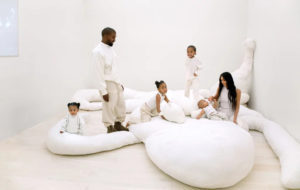
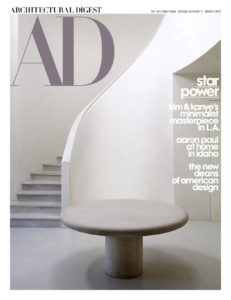
American socialite Kim Kardashian (Kim Kardashian) posted several photos of his home on social media, which unexpectedly caused an outcry and was also reported by "AD:Architectural Digest》Report(international magazine of architectural interiors). The reason why Kim Kardashian’s family caused a stirThe uproar is that the appearance inside is not as majestic and magnificent as the public imagines of a mansion, but simple and elegant furnishings. This style is the "absolute poverty style" that has been widely discussed in recent years.

Photo:AD Architectural Digest

Unexpected non-pure white uneven cement wall, with a few dark and light colorsThe white furnishings and spacious space create the "absolute poverty style" of Kim Kardashian's home. kim kardashian inVOGUEIn the interview, they said that there are too many distractions outside, so they want a quiet and peaceful space when they return home. This is why Kim Kardashian's house is so "poor" and only has a few necessary furniture. She chooses such a low-key and consistent color scheme, which gives people the illusion of being in a rough house, but it is also because of this that it will not be noticed by the outside world. Interference, to be able to appreciate the essence of things.

(Picture taken fromVOGUEinterview clips)

1. Imperfect walls create a quiet atmosphere

Interior-Design:VORA-GUESTROOM

Preserve the uneven brush marks and mottled rough walls that feel like hand brushing, and apply distressed off-white, gray-white tones on the cement walls or clear water mold paint to present a simple and quiet wall.

2.   Leave blank space to create a calm atmosphere

Design:the greenwich hotel Photo:Nikolas Koenin

One of the features of the poverty style is to leave a lot of blank space, and then randomly place key furniture to create a quiet space..

3.   Natural materials, adaptable and feel at will

Photo:Axel Vervoordt Gallery

Decorations are made of stone, logs, cotton and linen and other materials, the shape is not deliberately cut and designed, focusing on the original appearance of nature. The colors are also matched with earth tones or linen weaving to maintain a nostalgic and natural style.

4.   Light and shadow decoration, visual light and dark conversion


Photo:Yoko Kitahara SPAcenter

Just the best design,A large amount of natural light is a very important indicator of abject style. The transparency of lighting creates an elegant and quiet space. natureThe changes of light and shadow shuttle through the house, also bringing a vivid atmosphere to the space. But the trend of extreme poverty must be avoided as much as possibleInstead of using lights, use the skyHowever, the light and shadow shapes create a sense of tranquility.

5.   Dry flowers and plants, incomplete and lonely beauty

Shanghai Hemu Exhibition Hall Design:Yidian International Photo: Zhu Enlong

The planting decorations are made of dried flowers, dead vines, reeds, solid wood, etc., and are matched with Asian,Accessories made of cotton and linen create a casual and quiet mood. This is also one of the elements of extreme poverty. It mainly uses natural and original materials without any carving or modification, showing the original appearance of the space.

Nowadays, people's lives are busy and the pace is tight. They often cannot relax and rest well. They are disturbed and affected by many things and ignore their original intentions. Therefore, why not try to reduce the decoration, retain the original style of poverty, and let your body, mind and soul return to nature and return to nature? The most authentic and natural state.

B-STUDIO is good at clear water mold architectural design and simple interior design. If you have any architectural or interior design or space integration needs, please feel free to contact us:B-Studio online consultation


interior space-Zhongshan Yang➦

construction space-Qing Shui Fu ➦

Let Feng Shui bring you good luck, and these seven designs are not afraid of taboos

Japanese architect Iri Tomo said: "It is impossible to create a comfortable home without designing even the things that are invisible to the naked eye."

(Japanese architectYilizhi 1959Born in Okinawa,GraduatedTokyoart universityGraduate School of Fine Artsarchitecture)

Feng shui is the invisible design specification. The word "feng shui" first appeared in "The Burial Sutra": "gasIf it rides on the wind, it will disperse; if it is bounded by water, it will stop. The ancients said that when people gather, they will not disperse, and when they move, they will stop. Therefore, it is called Feng Shui. "Ancient Feng Shui was mostly used fortownandvillagesite selection, andpalaceconstruction, later developed into findingfuneralterrain.Feng shui isQinChineseBeginning with the folkAlchemyconnect withfive artsofLife,predict, phases are all related, and it is also said that the basic composition comes from "I Ching"ofhexagram, divided into janitor, main, and stoveYangzhaiPhysiognomy and seeingghost houseThe current name of the phase method and so onmetaphysicsNumber of spellsoffolk beliefs.(Partially taken from Wikipedia)

▲Design:Student work by Carolyn Ciafardoni

As the saying goes, "One fate, two fortunes, and three feng shui."Going with the wind and flowing water is Feng Shui. "Wind" represents the magnetic field, while "water" represents flow and change, reminding people that they should comply with the conditions of nature instead of going against it, so that they can follow the trend and become a good house.Feng Shui is not just a superstition, it is a theory confirmed through the philosophy of nature and practical applications. Many taboos in Feng Shui can actually be changed through layout changes, furnishings, accessories, etc.Space and Feng Shui can be connected together at the same time, making people's stay comfortable and satisfying.

Top ten Feng Shui taboos:

Tianyu Street  Design/Photo: B-STUDIO

one,   Good luck to the bright hall and darkroom

The living room is a space for entertaining relatives, friends, and guests. It is also an area where the family can gather together to relax and talk. Therefore, Feng Shui pursues bright halls and dark rooms. Translucent lighting can make people feel the energy as soon as they enter, and a good aura can also Gather wealth. The bedroom is a private space for rest, and the light should be soft and dim. You can use curtains with strong blackout properties to enhance privacy, relax the mind, reduce the impact of light pollution, and avoid light interfering with sleep.

two,   Bring ventilation and wealth together

The ventilation of the space represents wealth in Feng Shui. If the indoor air is ventilated, the body will be refreshed and the wealth will be smooth. When the living room has transparent lighting, at the same timemoving airflowSmooth, making it difficult for bad energy to accumulate and ushering in good magnetic field luck.

3. The door should not face the stairs, kitchen, toilet, or corridor.

Zhongshan Liuzhai  Design/Photo: B-STUDIO

1. The main door should not be facing the stairs:

In Feng Shui, stairs are spaces for receiving and sending Qi. The best position is to place the stairs against the wall, and it is taboo to place them in the middle. This is equivalent to dividing the home into two, which can lead to disharmony between the couple and even quarrels. Another situation is when the stairs are facing the door, health problems will occur.

Benevolence Gift Collection  Design/Photo: B-STUDIO

2. Don’t see the kitchen through the front door:

As soon as the door is opened, you will see bad luck in the restaurant and kitchen.The kitchen is regarded as the treasury of the home in Feng Shui, so opening the door and seeing the kitchen is a Feng Shui taboo for "leaking wealth".

3. Avoid facing the toilet:

The toilet is an area that generates filthy gas, so the door cannot face the toilet, and the bedroom door and toilet door cannot face each other.

4.The door faces the corridor and the Heart Piercer:

As soon as you enter the door, you will see that the corridor is in the pattern of a sword through the heart. The longer the corridor, the more detrimental it is to the home. It is also taboo to have a layout like a hotel corridor with several rooms connected. It is easy for affairs and elopements to occur, and all kinds of troubles at home will be constant.

5. The door directly faces the window, back door, and floor-to-ceiling windows:

The main door is facing the window, back door, floor-to-ceiling windows, etc. The "qi" will escape from the other door and window as soon as you enter the door, so it is not easy to collect the Qi and make money. You can set up an entrance cabinet or screen in front of the door to improve this feng shui deficiency.

6. The door is exposed to great disadvantages:

Chongqing Li Zhai
Design/Photo: B-STUDIO

Mirrors have the function of exorcising evil and avoiding evil, and can reflect various auras. Therefore, when you open the door and see the mirror, it will reflect your own auspiciousness, because such a design can easily cause shock if the lighting is dim.

Four,   The taboo on doors is "door to door". Each door in the houseCannot be relative:

"Xiangshumen" and "Douguosha" are the clashes between two gates facing each other, which can easily lead to disputes.

5. The bathroom and toilet are at the end of the corridor:

The bathroom and toilet cannot be installed at the end of the corridor in the house, but should be installed next to the corridor.

6. Do not place the bathroom in the middle of the palace:

Feng shui can divide the layout of the home into "nine palaces".The bathroom and toilet in the house should not be placed in the "middle palace" of the house. Because the middle palace is the heart of the family, it cannot bePlacing a dirty space like the bathroom above will bring health concerns to your family.

7. The kitchen and bathroom doors are connected:

If the toilet door is adjacent to the kitchen door, the toilet door should be closed at all times to prevent the filthy air from flowing out. If the bathroom door and the kitchen door are opposite to each other, they are incompatible with water and fire. It is best to stagger them or cover them with door curtains.

8. Be careful with kitchen stoves:

If a stove is installed between the refrigerator and the sink (two water and one fire) or the sink is between the stove and a microwave oven, electric pot, oven, etc. (two fires and one water), the cooking process will not be smooth, and the heat source of the appliance will also cause influence, resulting in poor performance of the refrigerator. Moreover, the kitchen stove represents fire, and the refrigerator and sink represent water. Feng Shui considers the two to be incompatible, so avoid eliminating evil spirits.

9. Mirrors add space energy:

 Mirrors are a commonly used option in interior design to increase space, using the principle of refraction to enlarge the space. The mirror has the function of doubling energy in Feng Shui, and also has the function of exorcising evil spirits and avoiding evil. However, avoid hanging mirrors behind the sofa, and do not point the mirror toward the bed or room door to avoid being frightened by refraction.

Decorilla designer, Mladen C.

10. It’s hard to sleep well with a beam at the head of the bed :

Beams on the bed are a taboo in Feng Shui. From a psychological point of view, beams and columns will create an invisible sense of oppression, which can easily affect sleep. You can change the position of the bed, or use interior design to hide the beams and columns.

"Don't" exaggerate and misinterpret Feng Shui taboos, "Don't" take literal meanings, "Don't" listen to nonsense, "there is no" perfect Feng Shui, follow the three no-one principles of home "Feng Shui", and use design and furnishings to resolve various taboos. You can create a good Feng Shui house that seeks good luck and avoids bad luck!

B-STUDIOSpecializing in simple design, if you have any architectural or interior design needs, please feel free to contact us:B-StudioOnline consultation


interior spaceAvenue of Stars

construction spaceQingshui Fu

Wabi-sabi allows you to find happiness, 6 ways to live a simple life

"Minimalism" is not about simplifying for the sake of simplifying.

Instead, try your best to keep the things you cherish,

Give it enough time and space,

Don't let other things interfere with your thoughts and concentration.

"The Less You Have, the Happier You Are: The Minimalist Way to Get Rid of Material Constraints and Renew Your Life"

The More of Less: Finding the Life You Want Under Everything You Own


Joshua. Baker  Follow the original author: Joshua Becker

stylish-wabi-sabi-living-room-design

"Wabi-sabi" is a Taoist religion that originated in the Song Dynasty of China (AD960-1279), and later introduced into Zen Buddhism. Initially, "Wabi-sabi" was a simple and restrained aesthetic method. "The beauty of simplicity" is exactly what "wabi" (wabiwabi) means, and "silence" (solitudesabi) means "the impermanence of all things in life and the passage of time", which together form Japan's unique culture, philosophy and aesthetics.

Characteristics of wabi-sabi:


  1. Gray and white, earth tones, the years are quiet and peaceful

Quiet life in restrained neutral colors


In wabi-sabi aesthetics, it is common to use earth tones or beige as the main colors to create a peaceful and comfortable atmosphere. If you want to get started with wabi-sabi design, you can consider the color of the ceiling, walls, and floors as the first step, because painting and lacquer are the first choices that are easiest to change the atmosphere of your home and are more budget-friendly. The difference between wabi-sabi and minimalism is that in addition to both relatively neutral colors, wabi-sabi also adds undecorated materials to create a natural sense of the passage of time, such as: water mold, imitation water mold paint, Materials such as diatomaceous earth can give the wall a hand-brushed texture, creating one of the elements of wabi-sabi aesthetics through imperfect textures.

2.Return to original materials, comfortable and natural

Chaozhou Qiu Zhai  Design/Photo: B-STUDIO

Nature’s materials return to purity


One of the essences of wabi-sabi aesthetics is to embellish raw, unmodified materials into designs, allowing the purity of nature to be integrated into life. Therefore, logs, rattan, linen, bamboo, stone, etc. are all common materials. Among them, the original beauty of logs best reflects the Zen spirit of Japanese style. In addition, when choosing indoor plants, you can also choose to use dead wood and dried flowers and plants as decorations to add a comfortable and innocent atmosphere to the space.

Design:Impressive INTERIOR DESIGN

3. Leave the space blank, quiet and comfortable

KatarzynaBialasiewicz ,Getty Images Plus

Don’t fill the environment, I say:"To the Ultimate"


When the field is left blank, more attention can be focused on enjoying and experiencing life. There are no too many gorgeous decorations or unnecessary furnishings. You just need to focus on feeling the beauty of life. This is also the most important spirit of wabi-sabi.

4. Warm lighting, rendering wabi-sabi

Photo V&MHOME

Warm light blends into the space


Light is the architect of space, a mobile and diverse element. In wabi-sabi design, the unmodified cement floor and natural hand-painted walls, combined with neutral colors, can easily give the space a sense of quiet distance. At this time, the design of light is very important. The warm light embellishes the hazy and warm atmosphere in the house, balancing other elements. The understated stillness of the wabi-sabi element.

5.Imperfection, asymmetry, irregularity

Design:Hema Interiors Photo:K-Studio

Accept the essence and be calm


Wabi-sabi allows people to embrace everything that is imperfect, rather than blindly pursuing things that are inappropriate or unnecessary. Therefore, irregular and asymmetrical ornaments or designs can often be seen in wabi-sabi designs.

Design:Anthology Creative Studio

Design: Betsy Brown

6. Handmade decorations to show style

Architect:Maria Marina, Designer:Maria Marina

Unique beauty and humanistic atmosphere


Antiques, second-hand decorations, and handmade crafts with traces of time can all fully demonstrate the wabi-sabi aesthetics. In terms of handicrafts, they are mostly: ceramics, fabrics, utensils, etc. The time-characterized sense of the objects brings a sense of quiet reality into the house, rather than a flawless sense of alienation.

Wabi-sabi is a life attitude and philosophy that needs to be learned in this busy and chaotic life. Allow yourself to start from "Less is more"Less is more" to find more original intentions and protect more happy moments.

B-STUDIOSpecializing in simple design, if you have any architectural or interior design needs, please feel free to contact us:B-StudioOnline consultation


interior space-Chaozhou Qiu Zhai

construction space-zhongshanyang