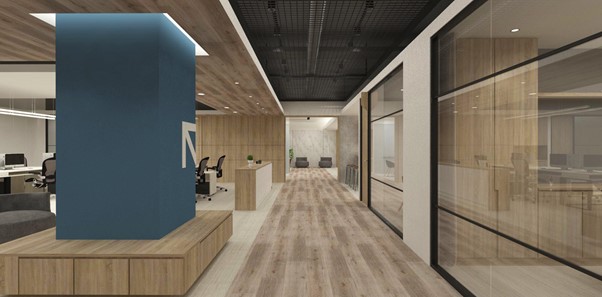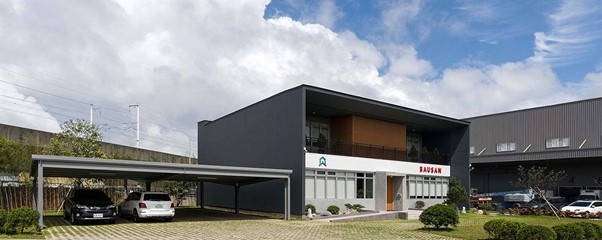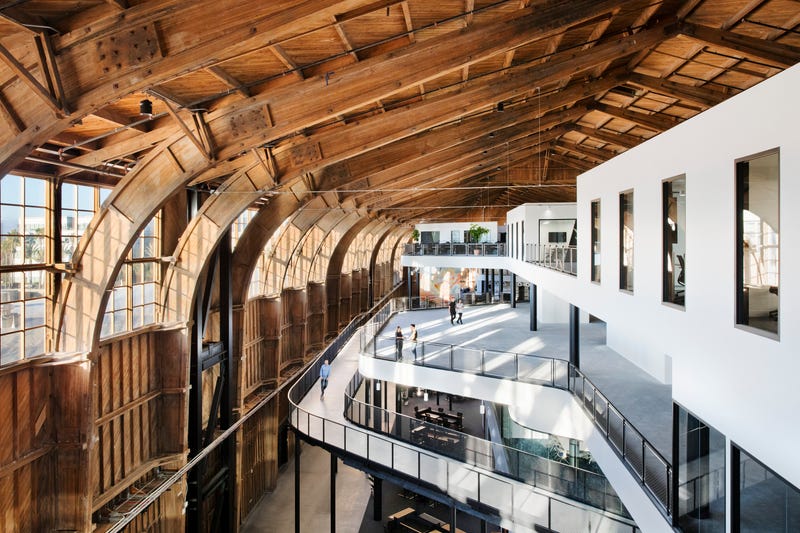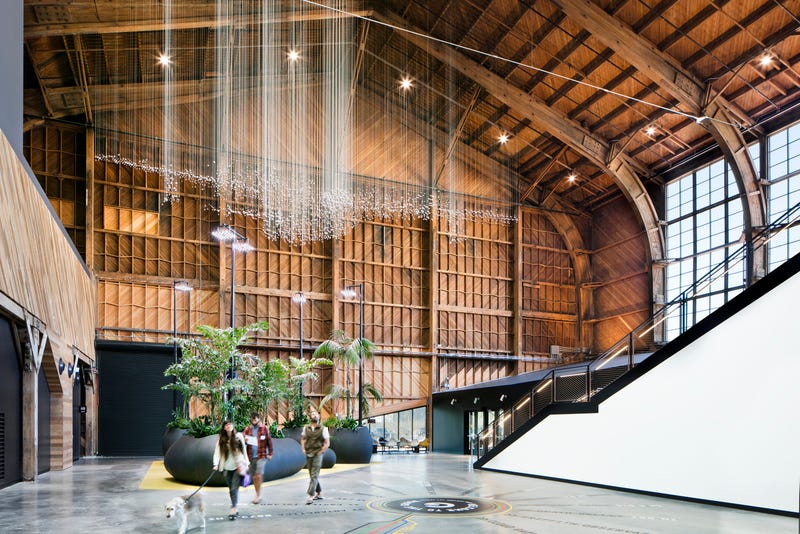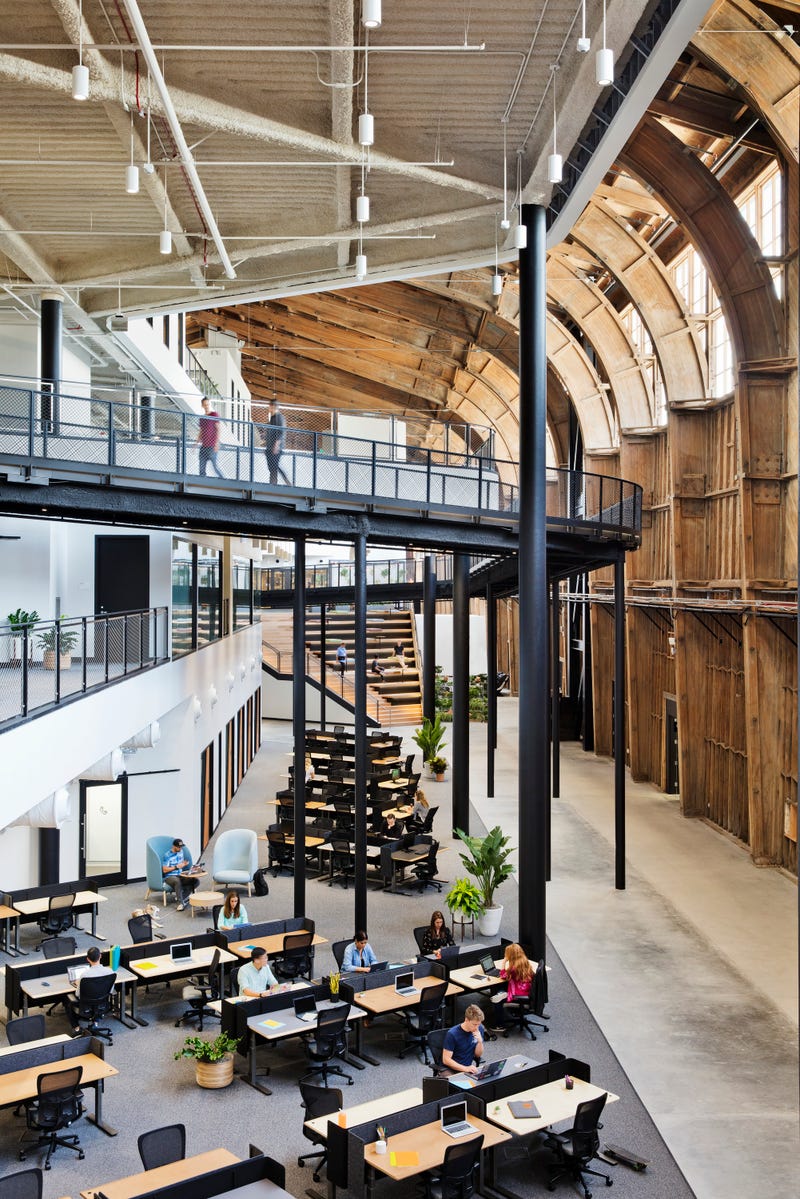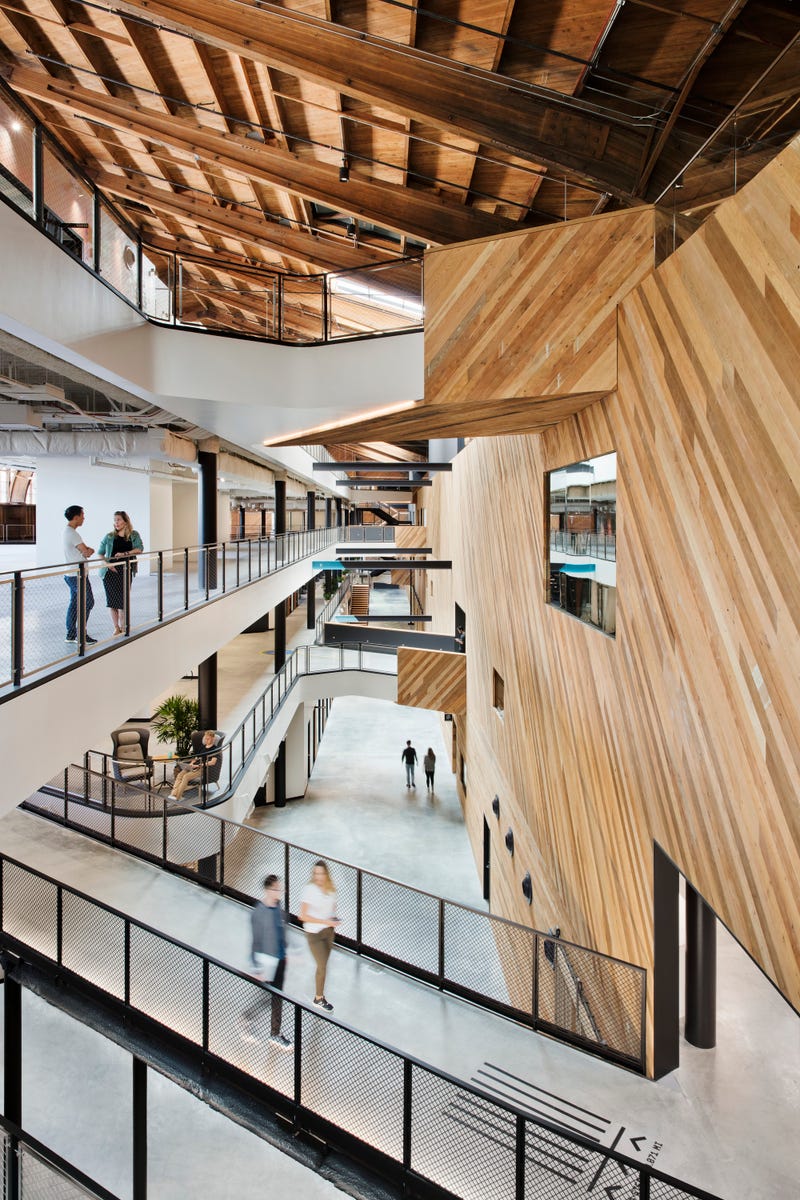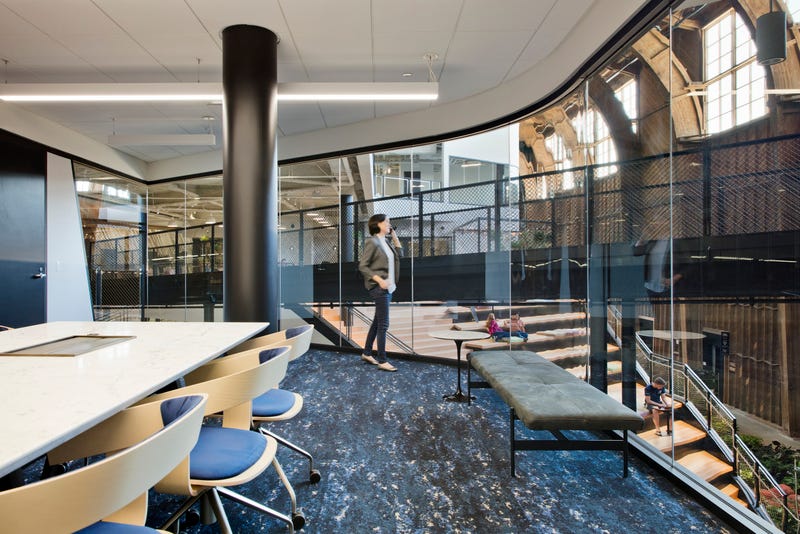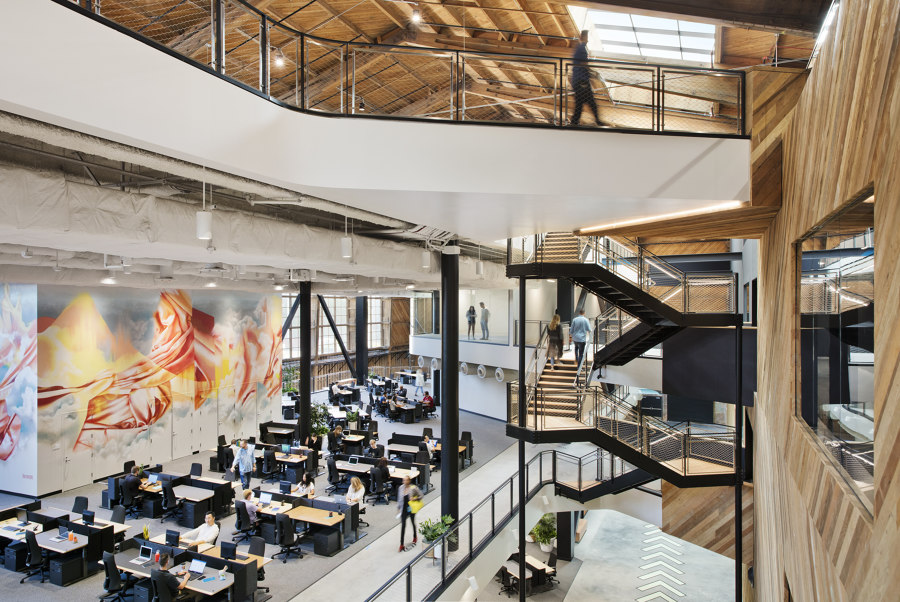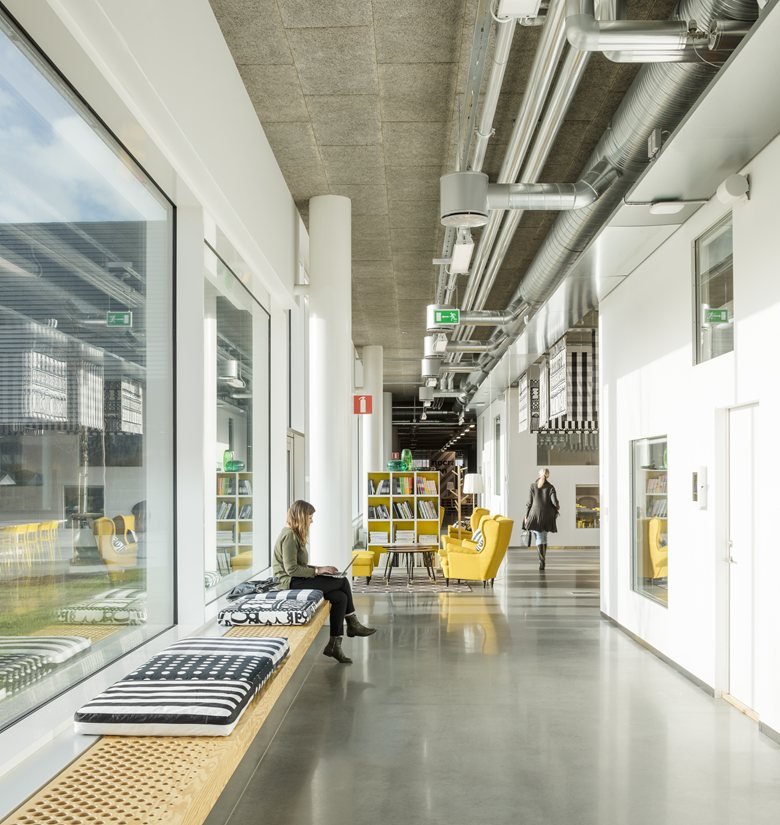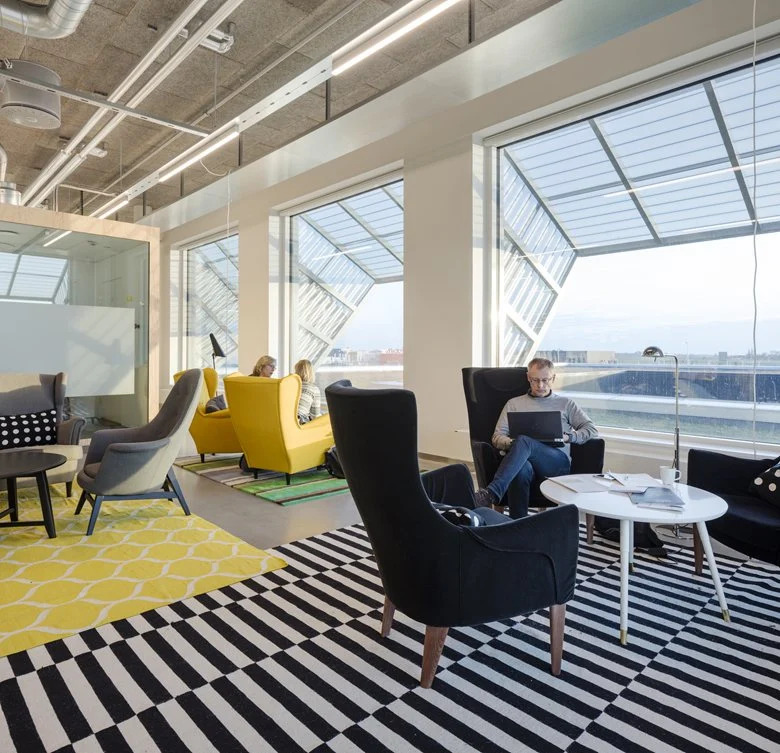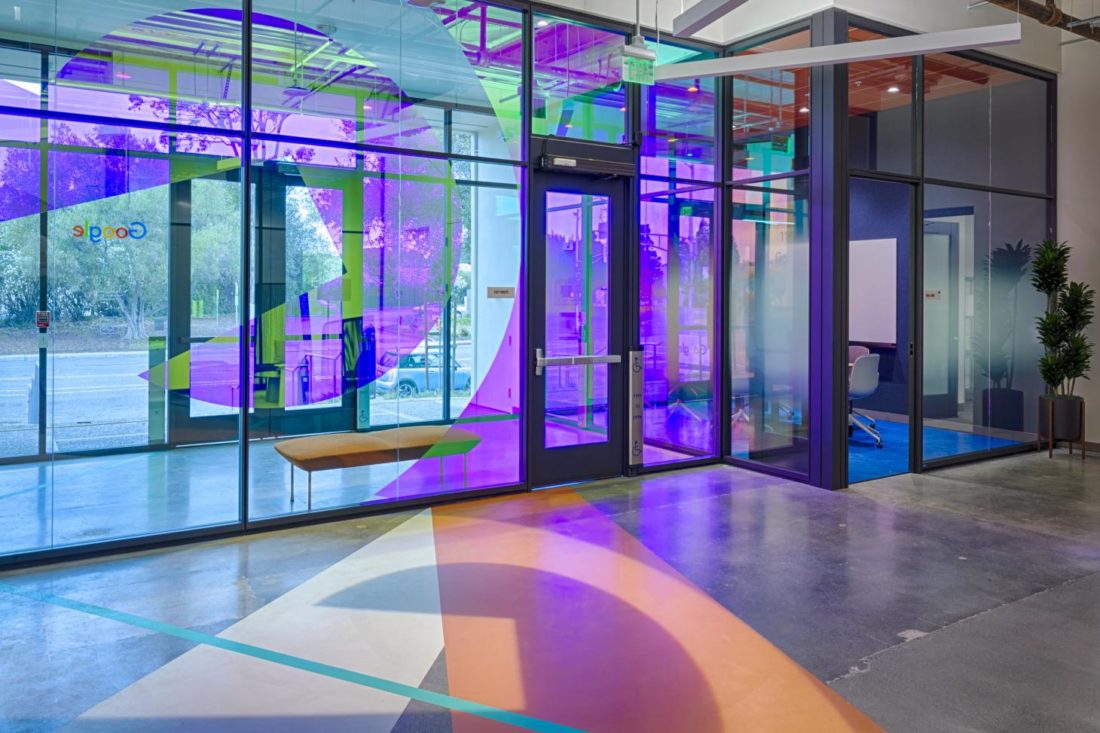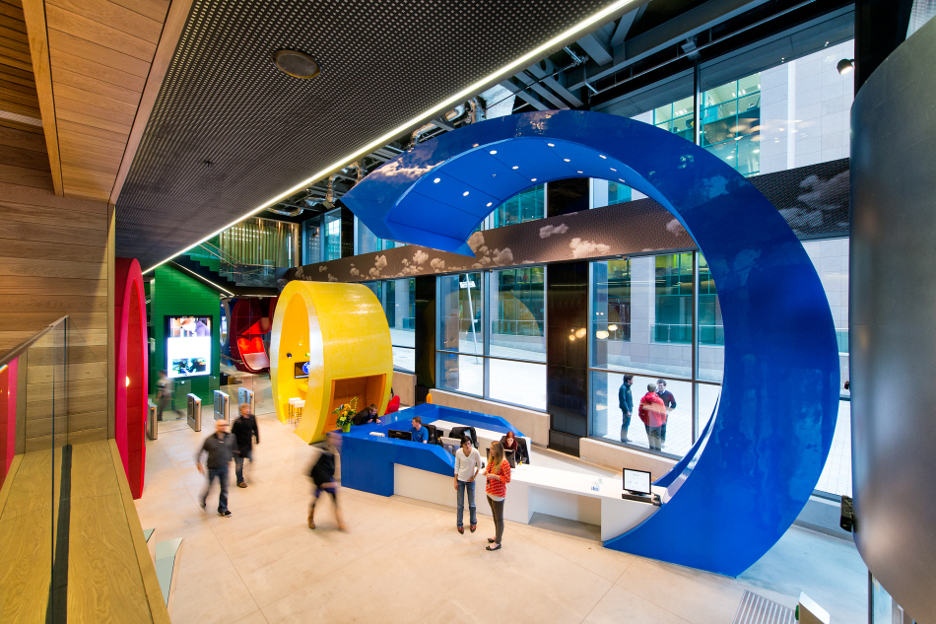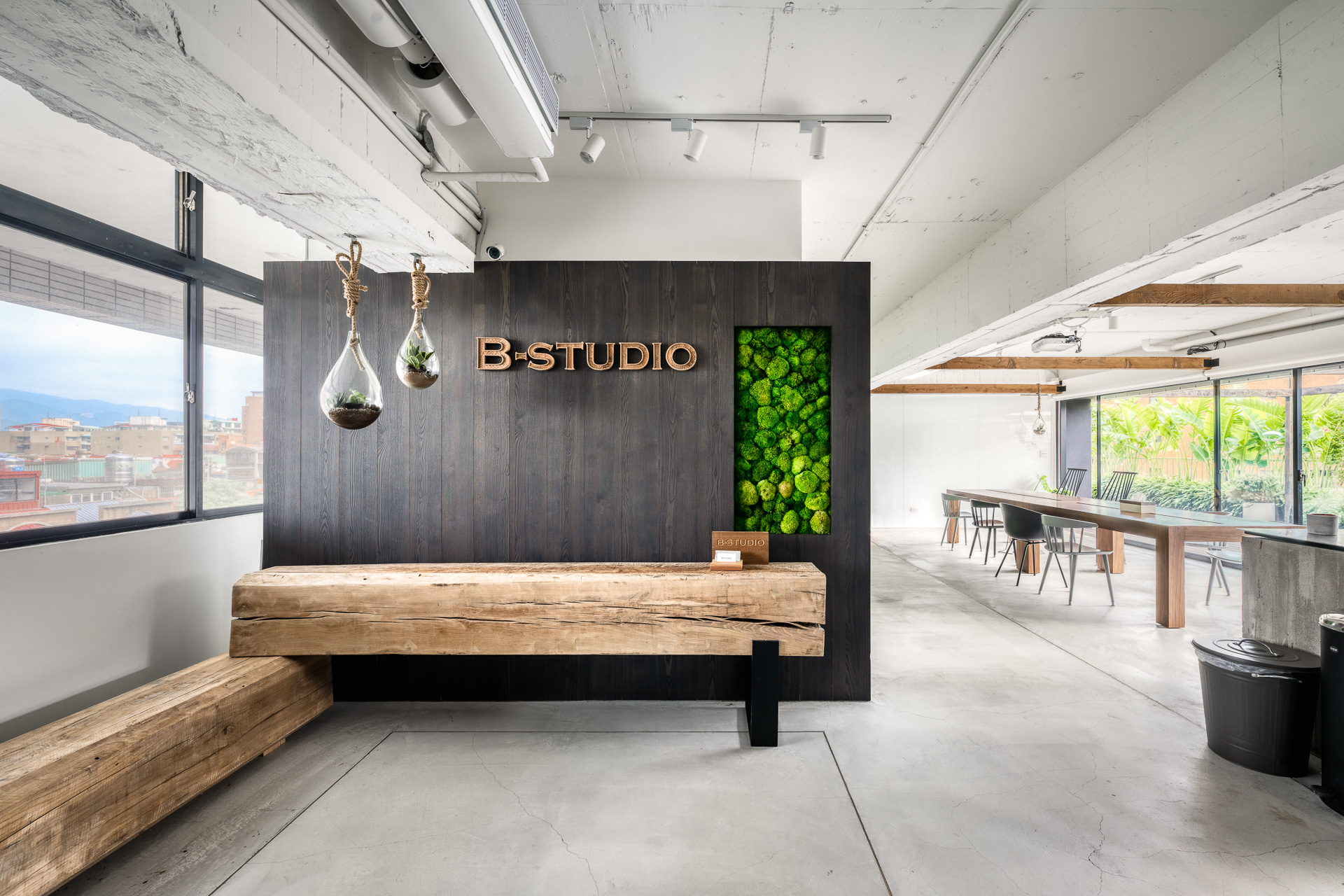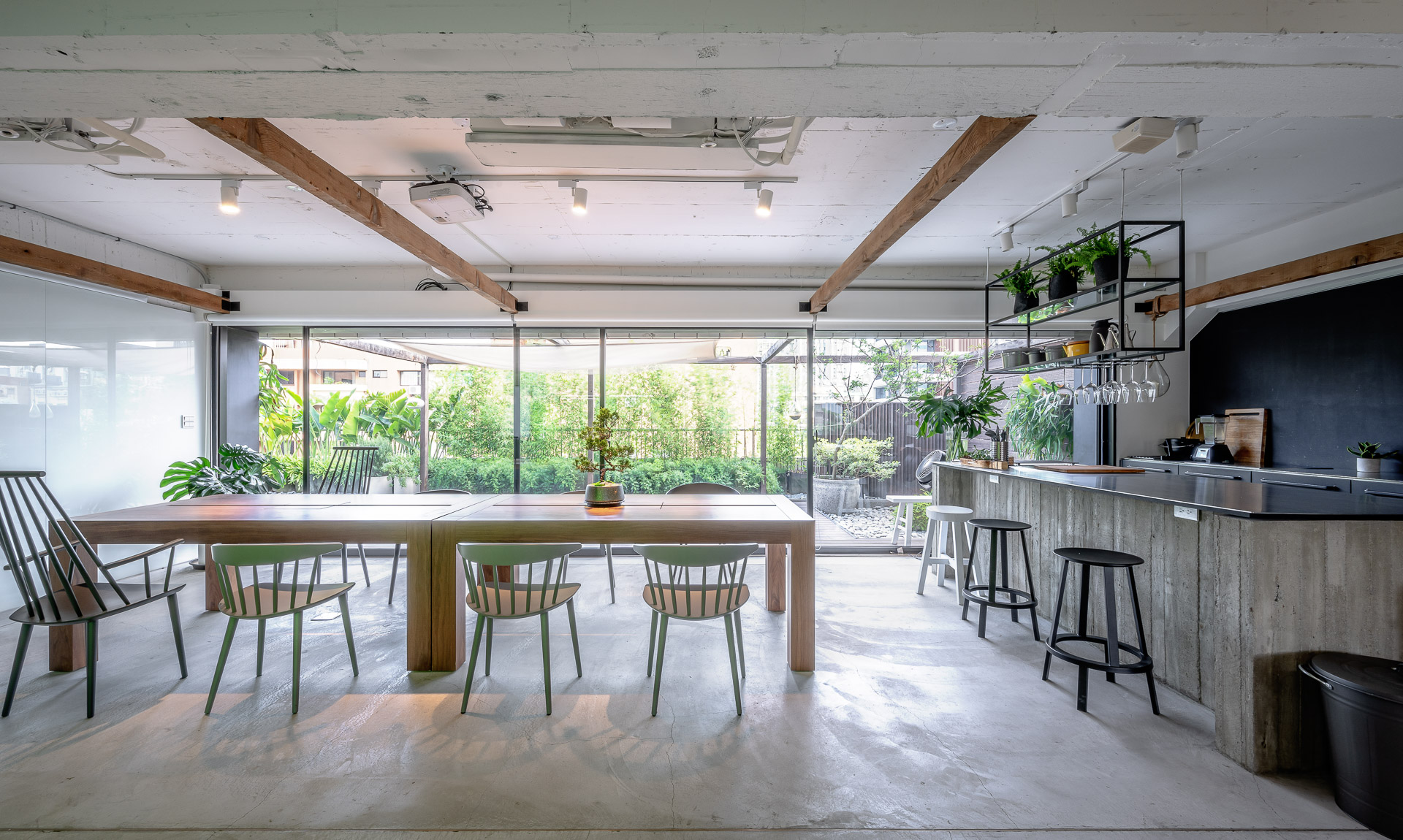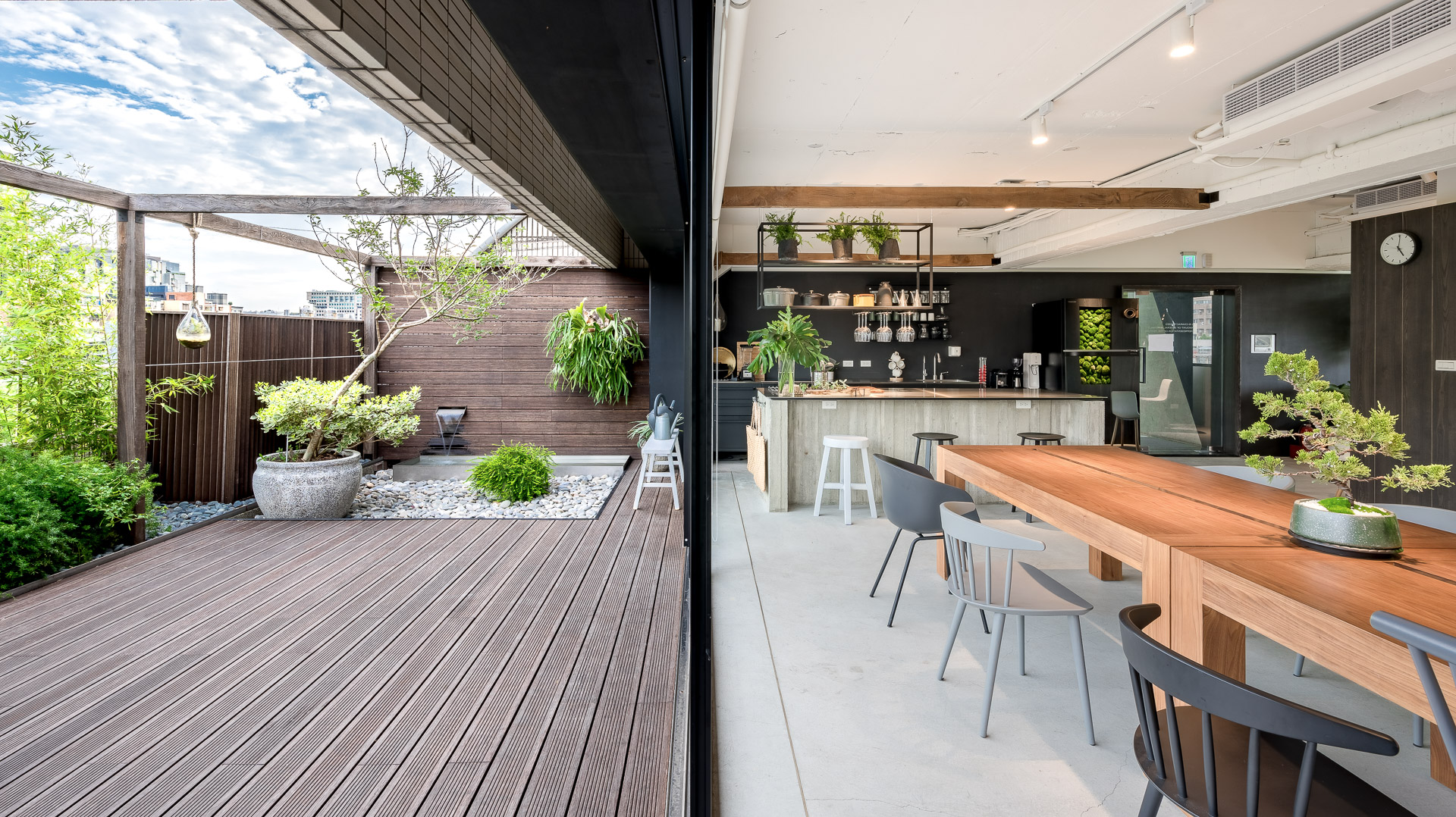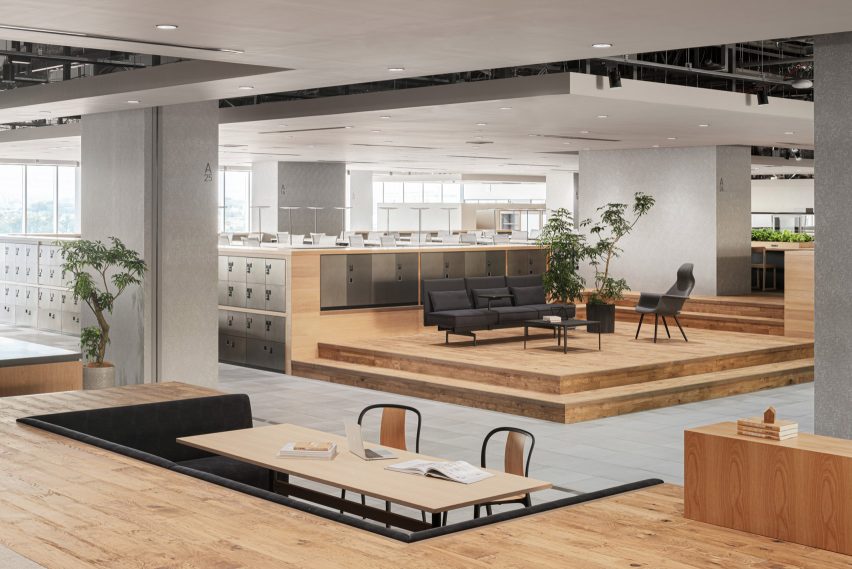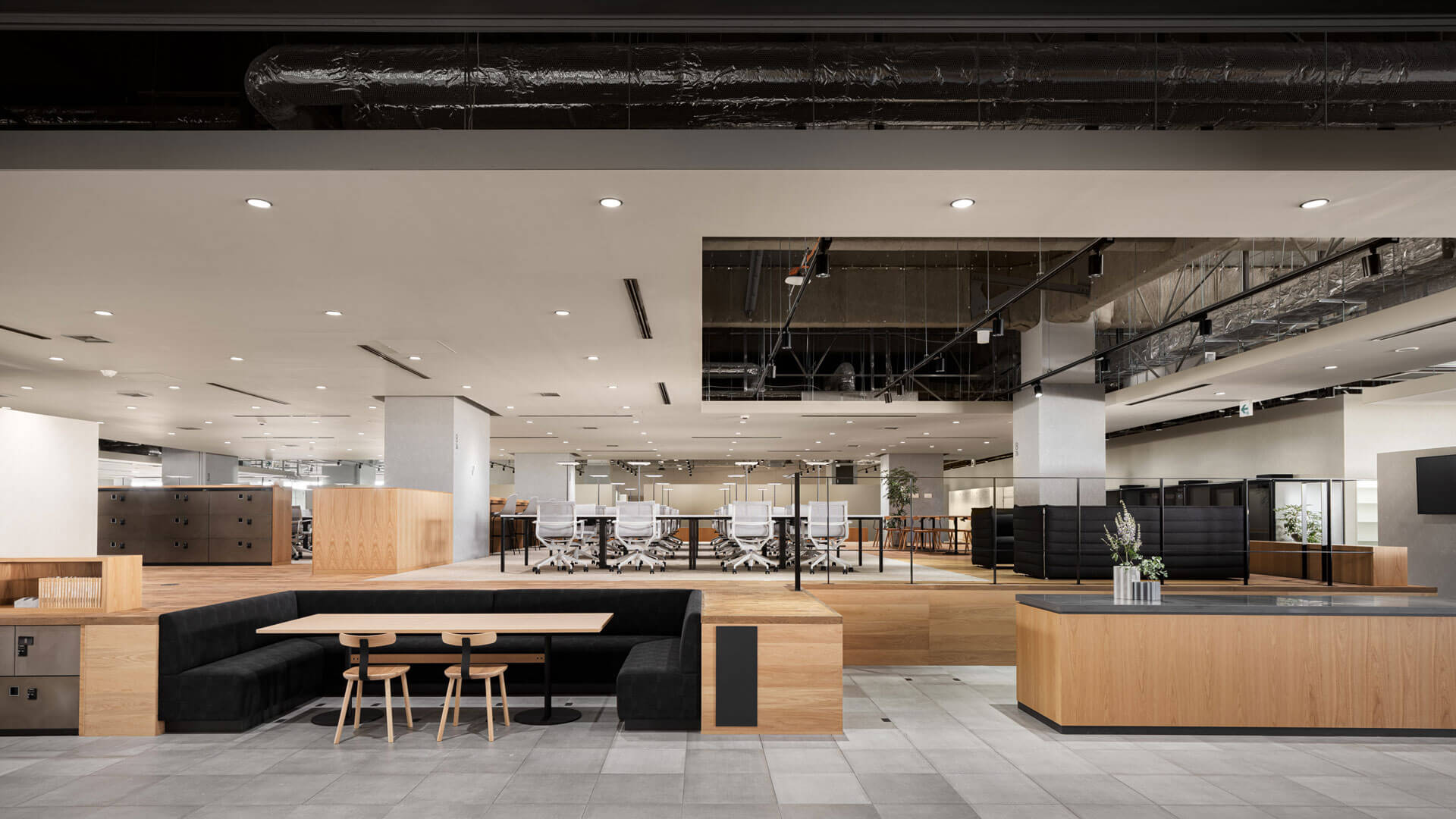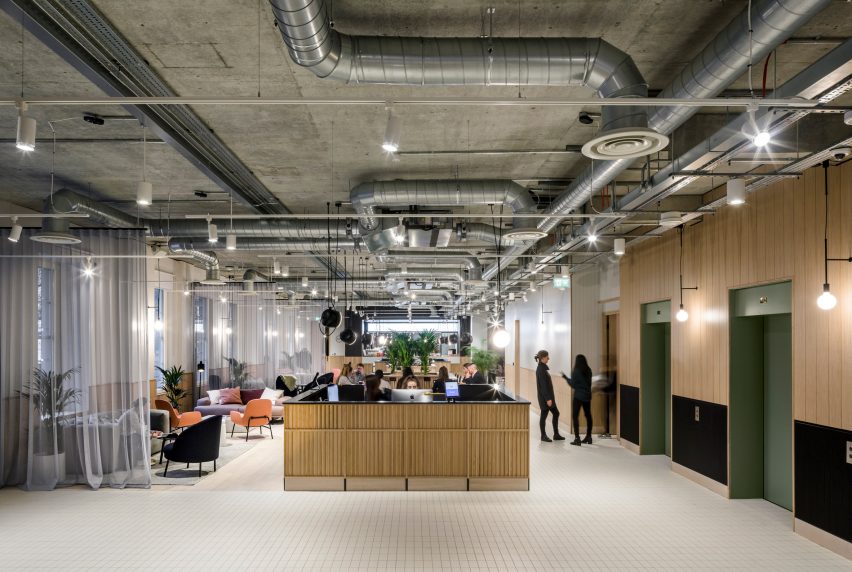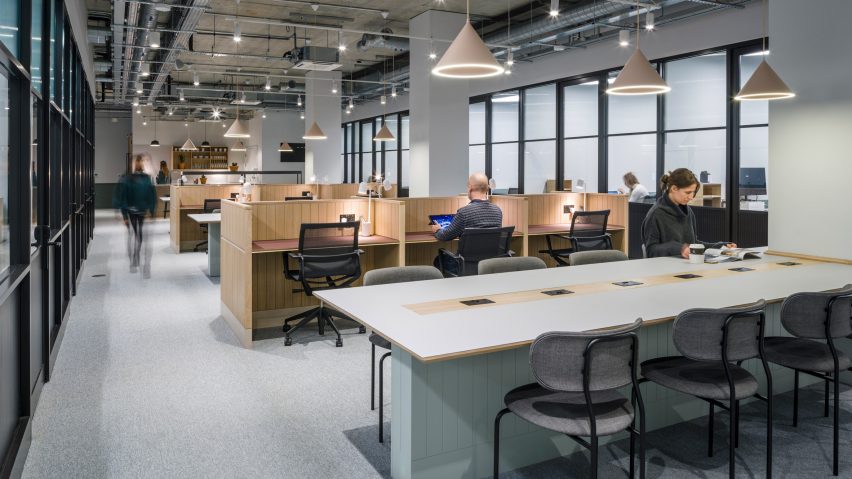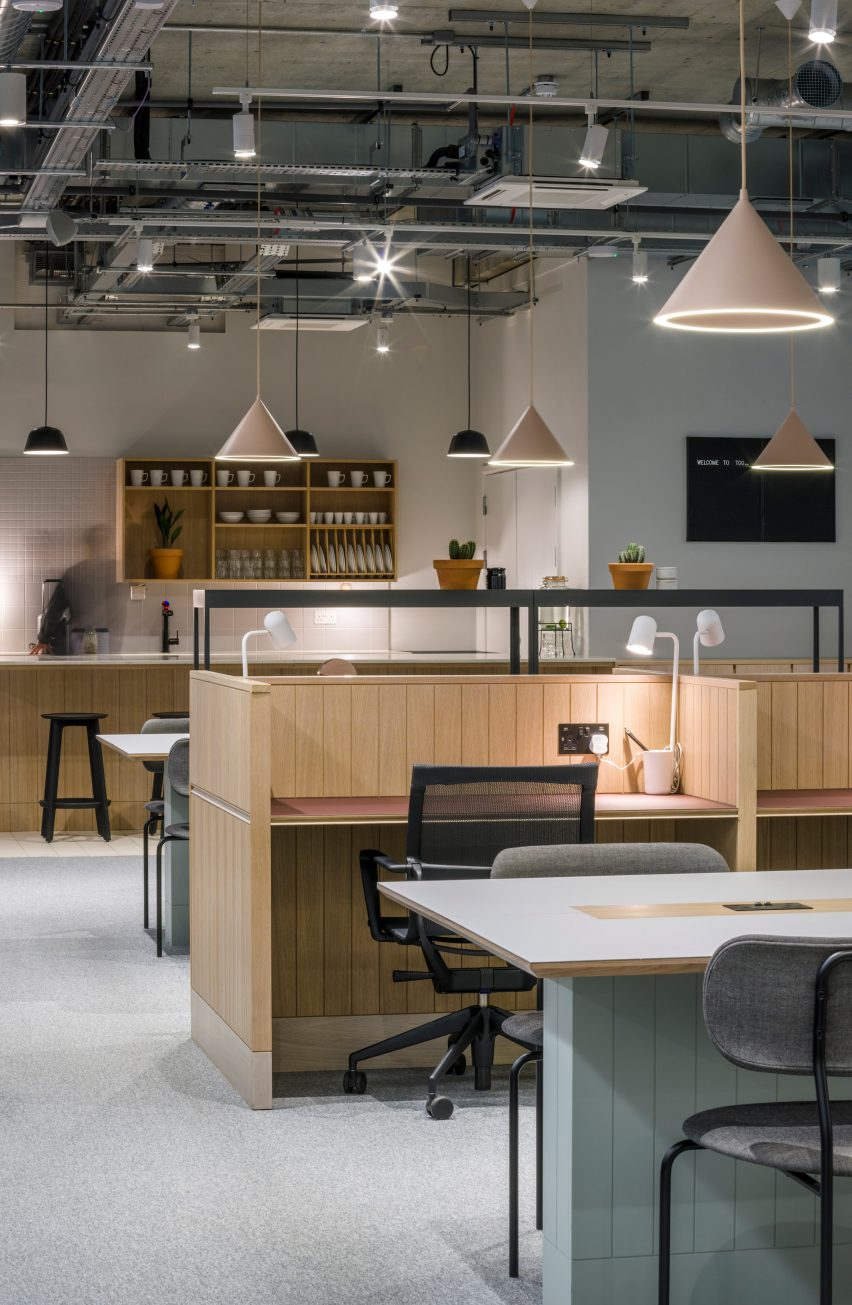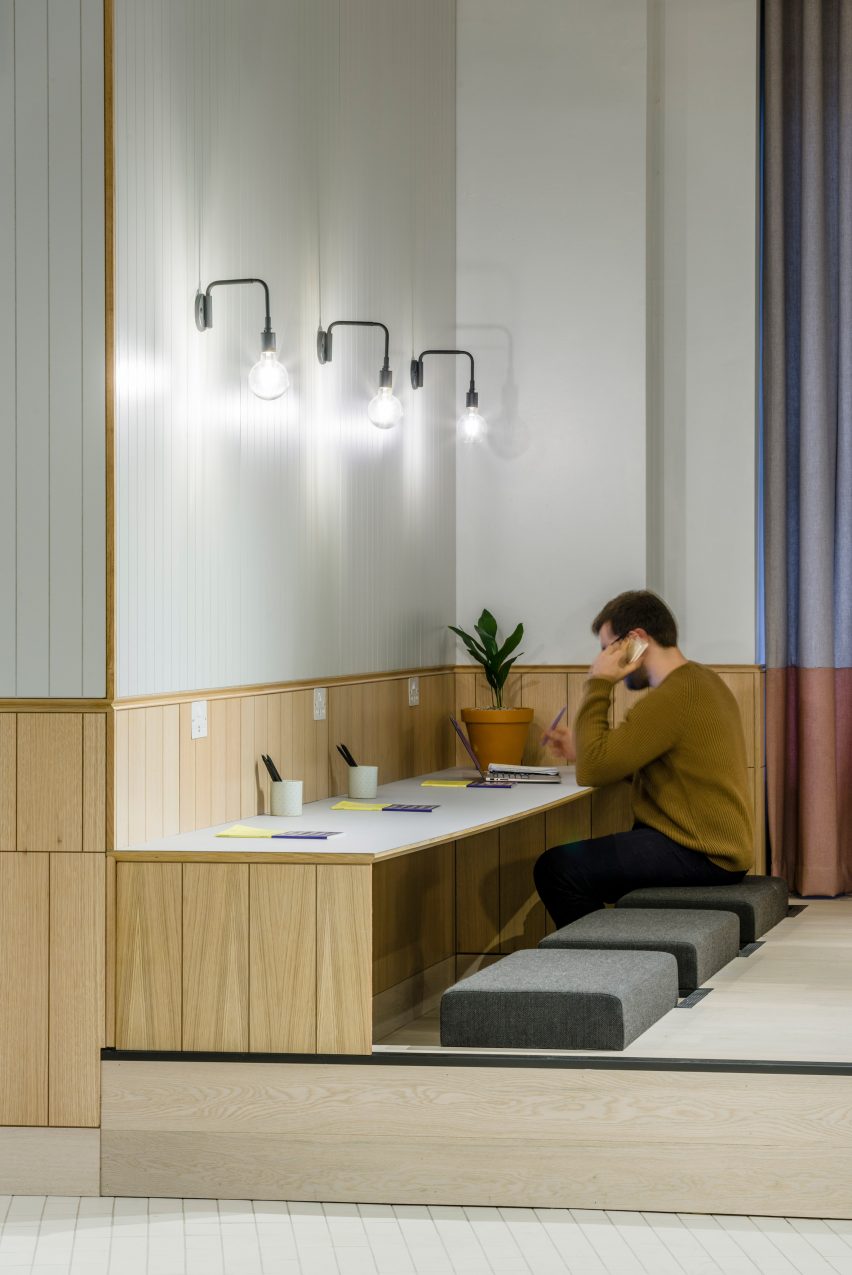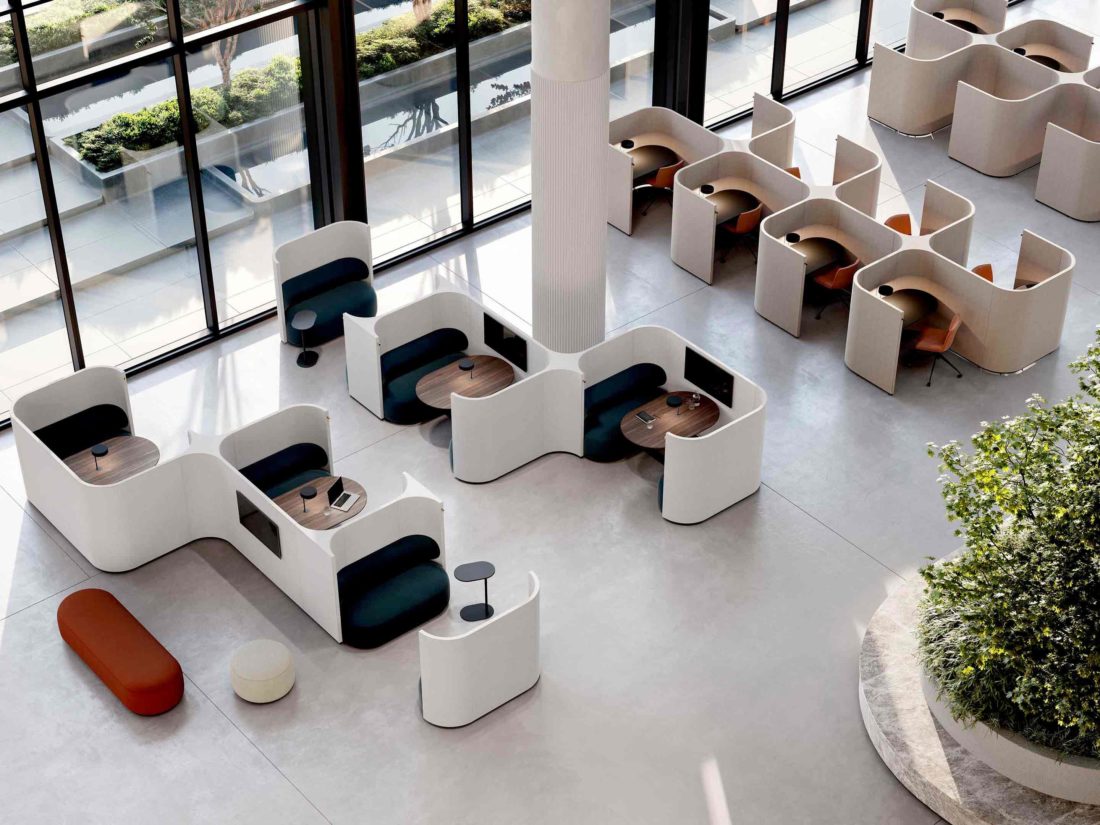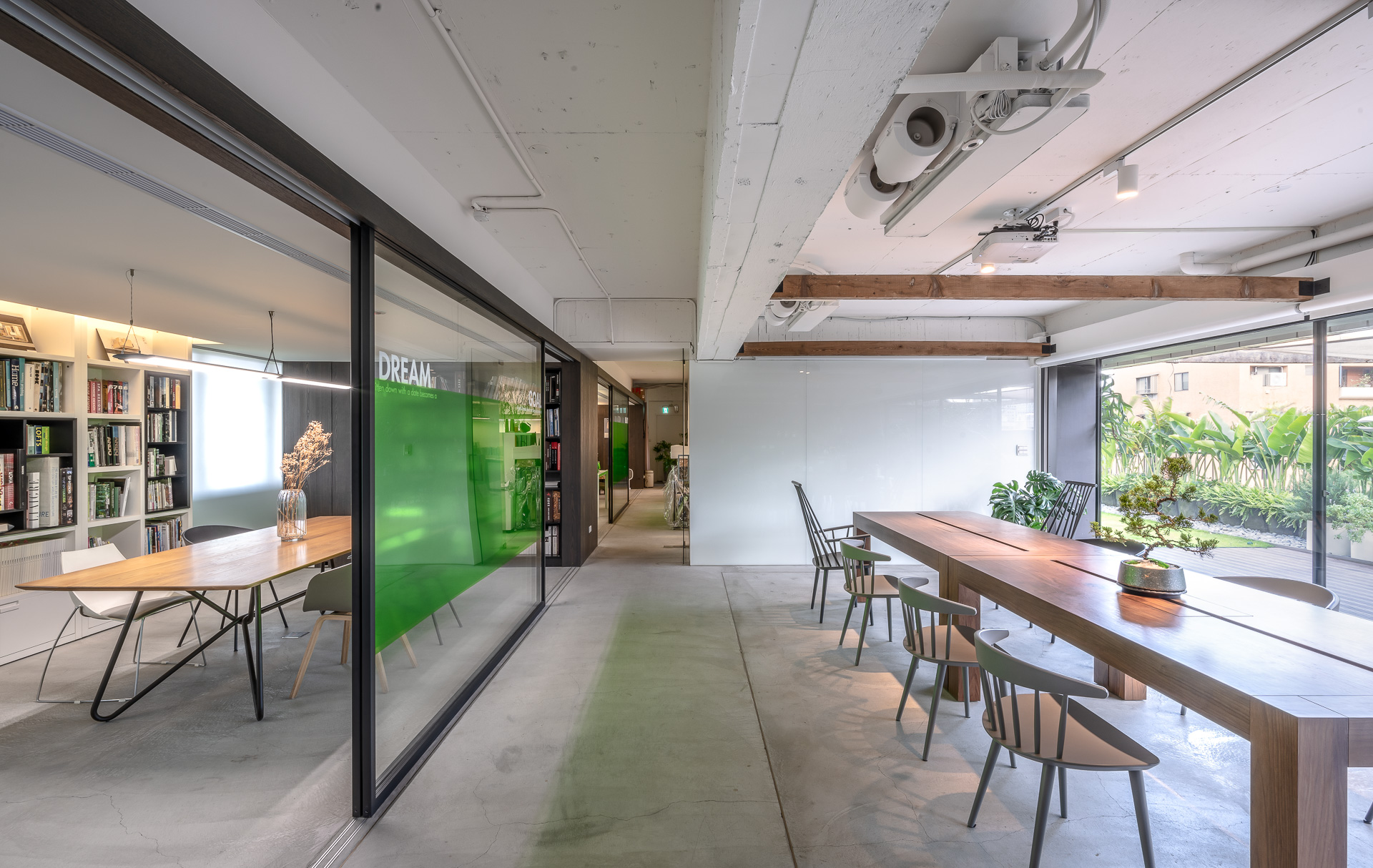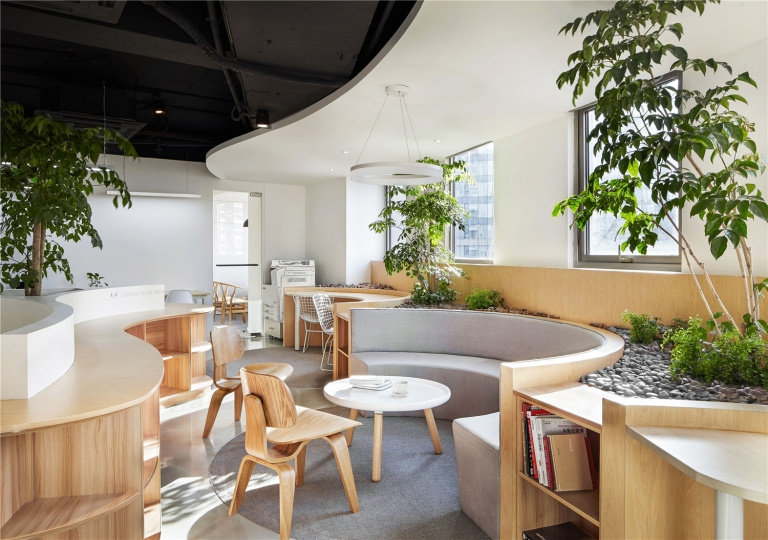
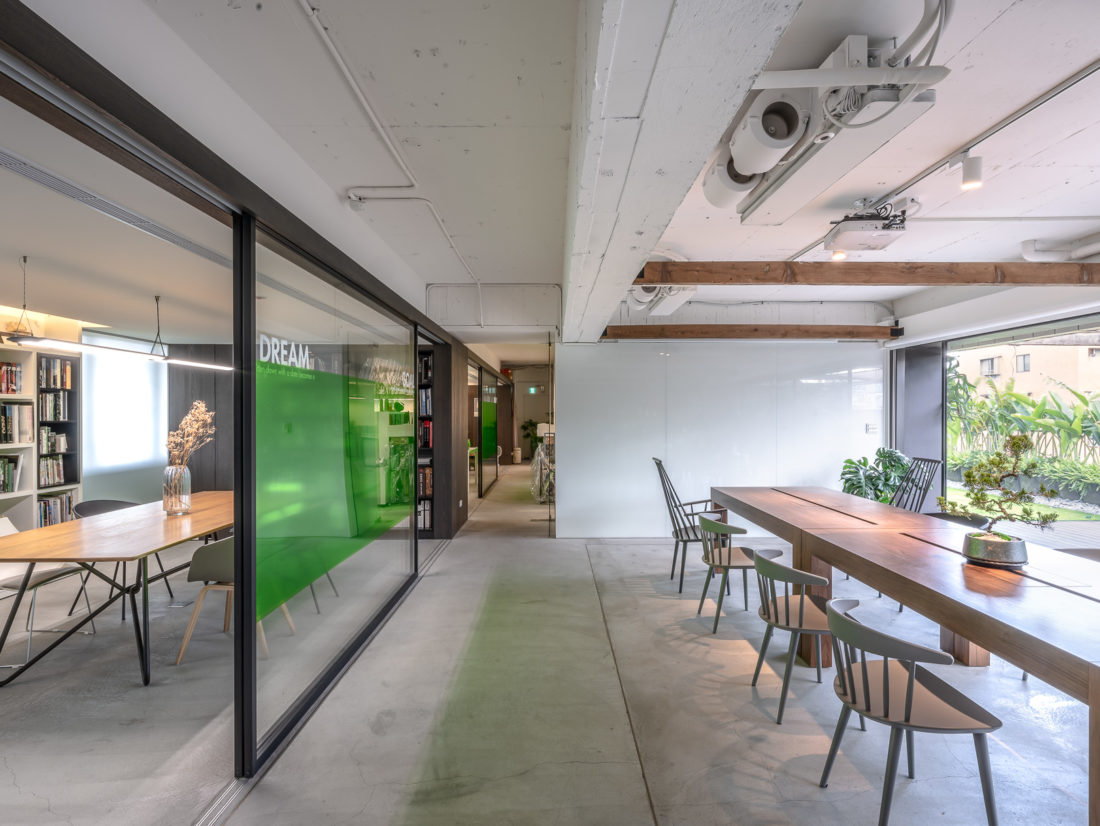
What is an office turnkey project? Understand the meaning, renovation process, advantages, and design planning of an office turnkey project.

EnterprisesPlanning the design of the new officeTo save on communication costs and improve construction efficiency, many companies chooseCommercial office turnkey projectServe,Office turnkey solutions recommended B-Studio offers a one-stop shopOffice turnkey projectandOffice uniform packaging decorationService, fromOffice interior designFrom construction management to overall execution, everything is handled by a professional team. This article will provide you with an in-depth understanding.Office turnkey solutionAnalysisAdvantages of a turnkey office renovation packageand shareOffice decoration designThe key is to help companies create office spaces that combine practical functionality with work efficiency.


文章作者

What does "office turnkey" mean?

辦公室統包

Office turnkey projects, simply put, mean directly bundling the interior design and on-site construction together, entrusting the entire process to a single professional team from start to finish. Traditional self-contracting often requires the business owner or project manager to act as a foreman, personally contacting 8 to 15 different independent vendors for plumbing, carpentry, masonry, painting, etc. Self-contracting typically leads to three major headaches:


1. High communication costs

Every day I receive endless phone calls and have to relay messages between various technicians and coordinate their arrival times, leaving me no time to focus on the company's core business.


2. It's easy for each other to shift responsibility.

The most common problem is that the height of the air conditioning pipes clashes with the height of the wooden ceiling. The air conditioning installer says that the carpentry work didn't leave enough space, while the carpentry installer says that the air conditioning pipes were haphazardly installed. In the end, it's always the homeowner who is caught in the middle and put in a difficult position.


3. Complex regulations and interior decoration review

Commercial office renovation needs to be in accordance withManagement Measures for Interior Decoration of BuildingsProcessingInterior decoration review applicationFrom the fire-resistant building materials for the ceiling and the walking distance for escape routes to changes in the protection radius of fire sprinkler heads, all require the approval of professional architects and fire equipment engineers. Self-contracted construction teams can easily overlook regulations. Once reported or discovered by the building management to have started work without declaration, the company will face heavy fines of 60,000 to 300,000 yuan or even suspension of work.


What are the advantages of a turnkey office renovation package?

Compared to contracting out and managing individual work teams, the advantages of choosing a turnkey decoration contract lie in integration, construction efficiency, and cost control.


Single window management

Companies only need to liaise with one project manager, and all construction issues, design adjustments, and progress reports are coordinated by the turnkey company, reducing the time spent on repeated communication.


Budgets are easier to manage

Turnkey projects typically provide a complete project quote, allowing companies to clearly understand the cost proportions of each item and avoid continuous budget increases later.


High consistency in quality

Having the same team handle both design and construction can reduce discrepancies between the design drawings and the actual construction, making it easier to match the original design in terms of materials, lighting, and finishing details.


The construction period is relatively easy to control.

Because all work items are managed by the same team, the construction progress can be monitored simultaneously, and if there are material delays or on-site changes, the subsequent work shifts can be adjusted in a timely manner.


What services are included in a turnkey office renovation package?

Commercial office renovation is a project that emphasizes seamless workflow. To avoid conflicts between different trades and the predicament of demolition and reconstruction, turnkey projects employ strict scheduling management. The following is a complete construction plan for a standard office turnkey project: 

Engineering Project

Specific construction and service content

Spatial measurement

Accurate on-site measurement, confirmation of original building conditions and existing pipelines

Planar configuration

Traffic flow planning, office seating arrangement, and cross-departmental configuration optimization

Office interior design

Aesthetic design, building material matching, and 3D visual simulation creation.

Demolition

Existing partitions removed, old ceilings removed, old equipment and waste safely removed.

Hydropower project

Electrical load configuration, socket circuits, office lighting and luminaire configuration

Air conditioning project

Air conditioning unit mounting, air outlet and dedicated air duct configuration

Fire protection engineering

Adjustment of sprinkler head protection radius, fire alarm, declaration and relocation of escape equipment

Low voltage engineering

Computer room network cabling, telephone system, access control and monitoring system

Carpentry work

Construction of wooden partitions, office-style cabinets, and ceiling structures.

Painting Project

Wall and ceiling plastering and sanding, detailed painting, and application of brand-name special paints

Flooring project

Office carpeting, moisture-proof PVC flooring, and wood flooring installation.

Furniture configuration

System office desks and chairs, conference table, and high-capacity storage cabinets will be provided.

Cleaning Acceptance

Rough site cleaning and detailed cleaning, detailed repairs, and final acceptance inspection upon completion.


Key Points of Office Interior Design

Good office design is an extension of corporate culture, brand image, and work environment. It can not only enhance customers' first impression of the company, but also improve employees' work experience, thereby improving team collaboration efficiency and overall productivity.


Brand Image

From the entrance reception area and the company logo wall to the brand's standard colors, the combination of materials and colors can intuitively convey the company's professional positioning and industry image to visitors the moment they step in.


Daylighting and Lighting Design

If the office has natural light, it is recommended to prioritize the area near the window for open-plan workspaces; in areas with insufficient natural light, install high color rendering LED lighting to reduce eye strain; and use dimmable lighting fixtures in meeting rooms to easily switch brightness according to different scenarios such as presentations and video conferences.


Color and material matching

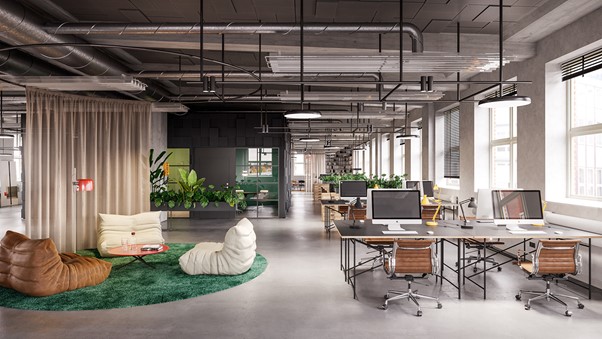
The planning should be based on the characteristics of the company's industry. Cool colors can create a professional and calm office atmosphere; wood tones, beige or green plants can add warmth and reduce the cold impression of the space. In recent years, many companies have also added green plants, natural materials or rest corners to their office spaces to create a more relaxed working environment, which helps to improve employees' focus and job satisfaction.


Before designing and planning an office, what needs should a company identify first?

A well-planned office design begins with clarifying the company's actual needs, followed by space allocation based on usage scenarios. Insufficient initial planning can lead to problems such as insufficient seating, poor circulation, or even the need for renovations due to departmental expansion. Therefore, before starting the design process, companies are advised to confirm the following key points.


Confirm employee headcount and future expansion needs

Office space should not be planned based solely on the current number of employees, but should take into account the growth needs over the next 3 to 5 years.


Understand the working patterns of each department

Different departments have different space requirements, so office design and planning should be arranged according to the actual work content. For example, business departments that need to frequently receive clients can be arranged near the reception area; while design, R&D or finance departments are more suitable for quiet areas to reduce external interference.


Planning spatial configuration to meet needs

In addition to office seating, companies should also take stock in advance of the functional spaces they need, such as reception areas, meeting rooms, executive offices, tea rooms, rest areas, storage rooms, computer rooms, and photocopying areas.


What are the steps involved in office renovation and design? A comprehensive overview from initial needs assessment to completion.

The office renovation and design process is usually a complete project management process from initial communication to actual construction and acceptance. Each stage has clear work content and time arrangements, and the actual time will vary depending on the size of the area, the complexity of the project, and the building conditions.


Preliminary planning and design finalization (approximately 15-30 days)

  • Requirements interviews and site surveys: Conduct on-site surveys to assess the current status of the space, including floor area, water, electricity, and fire protection systems, and confirm the company's functional requirements.
  • Floor plan and circulation: Plan seating arrangements, meeting rooms and public areas, and confirm spatial circulation and usage logic.
  • 3D Visualization and Finalization: Materials, lighting, and the brand's main visual identity are visualized through 3D simulations to intuitively confirm and finalize the future appearance.


Construction preparation and drawing (approximately 5-10 days)

  • Construction drawing preparation: Converting design drawings into professional construction drawings (including water and electricity, ceiling, floor, and mechanical and electrical configuration drawings).
  • Project scheduling: Building materials selection, work shift scheduling and material preparation are carried out simultaneously to ensure smooth subsequent construction.


On-site construction work (approximately 20–60 days)

  • Basic engineering: On-site demolition and removal, followed by the installation of power, lighting, air conditioning and low-voltage water and electricity systems.
  • Renovation work: The partitions, woodwork, ceilings, and floors will be completed in sequence, followed by painting, lighting installation, and finishing touches. The work will be inspected in stages according to the progress.


Equipment arrival, acceptance, and delivery (approximately 5-12 days)

  • System equipment and furniture: Install access control, network, monitoring and other system equipment, and arrange for office desks, chairs and conference tables to be brought in and assembled.
  • Cleaning, Acceptance and Handover: After a thorough cleaning of the entire area, comprehensive testing of water, electricity, network and fire-fighting equipment is conducted. After detailed repairs and acceptance, the area is officially handed over for use.


How to choose a turnkey commercial office renovation package?

辦公室統包

Choosing the right commercial office turnkey project team not only affects the quality of construction, but also the construction period, budget control, and subsequent user experience. It is recommended that companies do not just compare prices, but evaluate the team's overall project management capabilities.


1. Does the company have a proven track record of commercial office turnkey projects?

Commercial office space renovations differ from residential renovations, and the construction work is usually more complex. Therefore, it is recommended to prioritize teams with experience in turnkey commercial office projects. You can check whether they have completed projects for corporate headquarters, technology companies, offices, and shared workspaces to understand whether they are familiar with the space requirements and construction processes of different industries.


2. Does it provide a complete one-stop service?

High-quality commercial office turnkey companies typically provide a one-stop service, from needs assessment, office design and planning, office interior design, engineering construction, mechanical and electrical integration, fire safety application to final acceptance.


3. Does it possess professional engineering integration capabilities?

When choosing a turnkey company, you can find out if it has the ability to integrate various work items and can properly arrange the construction sequence to avoid rework or delays due to poor coordination of different trades.


4. Is the pricing transparent and is the scope of work complete?

A quotation should clearly list all project contents, scope of work, materials used, brand, specifications and quantities, rather than just providing a total price. A complete and transparent quotation helps companies understand budget allocation and reduces the risk of additional costs arising during construction due to differing understandings of the project.


5. Does the company provide comprehensive project management and after-sales service?

A comprehensive commercial office turnkey project should not only include construction completion, but also progress reporting, quality management, final acceptance, and after-sales service. It is recommended to confirm whether there is a dedicated project manager in charge, and whether equipment warranty, maintenance assistance, or subsequent space adjustment services are provided after completion.


6. Can you provide customized planning based on your company's needs?

Every company has different industry characteristics, work patterns, and brand positioning. Excellent commercial office turnkey teams will not use standardized designs, but will plan the most suitable office space according to the company's needs.


How to control the budget for turnkey office projects?

The most common reasons for budget overruns are incomplete planning in the early stages, frequent changes during construction, or incorrect budget allocation. Before a project starts, details should be confirmed as much as possible. The clearer the requirements are, the fewer additional works will be required during construction, and the easier it will be to control the budget.


1. Prioritize investment in basic and long-term projects.

In office renovations, basic infrastructure such as water and electricity, air conditioning, fire protection, and low-voltage electrical systems are long-term projects and their quality should not be compromised to save on budget.


2. Select suitable materials and standardized practices

Material selection directly impacts the overall budget of a turnkey office project. Not all spaces require high-priced materials. By using standardized design and appropriate material combinations, construction costs can be reduced, the construction period can be shortened, and subsequent maintenance convenience can be improved.


3. Reserve an appropriate amount of contingency funds.

During office renovation, unforeseen circumstances may arise, such as hidden pipelines, building structure limitations, or equipment adjustments. It is recommended that companies set aside approximately 5% to 10% in their total budget as a contingency fund to handle necessary additional work.


Office turnkey solutions recommended | B-Studio

辦公室統包


Whether it's a corporate headquarters, a technology company, a startup office, or a commercial space, B-Studio can tailor-make an office environment that combines brand image, spatial functionality, and work efficiency based on the company's brand positioning, work mode, and future development needs, ensuring that every design truly meets the company's operational requirements.

B-Studio's team possesses national architectural backgrounds and offers top-tier turnkey services, covering everything from spatial aesthetics and MEP/VHS integration to fire safety compliance applications. This allows businesses to smoothly complete their projects without needing to coordinate with multiple vendors.Welcome to learn more.


Frequently Asked Questions (FAQ)


Q1: Is it really cheaper to hire a turnkey company than to hire individual work teams yourself?

A1: On the surface, subcontracting saves on the management fees of turnkey projects. However, if even one work team makes a mistake, the resulting rework costs and delays usually far exceed the management costs of turnkey projects. Turnkey companies, on the other hand, have more bargaining power over materials and wages due to their long-term and stable work teams, and their pricing is more transparent and easier to control.


Q2: During the construction period, as the business owner, do I need to go to the site every day to supervise the construction?

A2: No need. That's precisely the value of using a turnkey contractor. The foreman will supervise the work, progress, and quality on-site, and will regularly provide you with daily construction reports and on-site photos. It's recommended to be present at specific milestones (such as after demolition is completed, after confirming the plumbing and electrical wiring, before the woodwork is finished, and during final acceptance).


Q3: Why is interior decoration review mandatory for commercial office renovations?

A3: According to regulations, any alteration to fixed partitions, fireproof ceilings, or fire-resistant structures in buildings intended for public use requires an interior renovation permit from the government. Starting work without prior notice, hoping to get away with it, could result in fines of NT$60,000 to NT$300,000, and even being ordered to halt construction and have the structures demolished – a costly mistake. 


Further reading:

How to design office decoration? Four major planning points to create a high-standard office space!
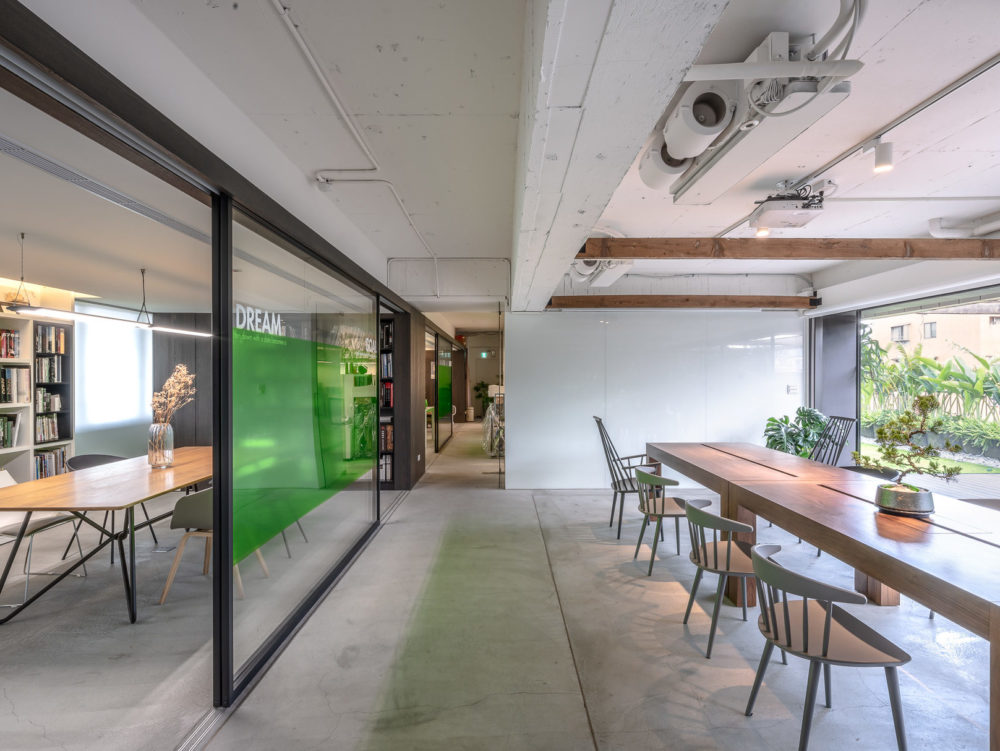
[Latest 2026] 7 Selected Office Design Cases: Bringing Efficiency and Aesthetics Back to the Space

Creating a high-quality office | Office design company

辦公室設計公司

Creating a high-quality office | Office design company

To create a high-quality office, in selecting...Office design companyYou must put in extra effort when choosing a contractor. These days, there are plenty of contractors who rush through the work after taking on a project, affecting both the quality of the work and the progress of the renovation. Therefore, careful selection is crucial.Office interior design companyIn such cases, it is advisable to first inquire about the reputation within the industry or with existing clients to confirm whether the other party has [reputation/sales practices].Office decoration designPractical experience, and review past casesOffice design caseThis article is written by a professional interior design company. B-Studio This guide will help you understand the principles of choosing an office design company, so you can find a truly reliable team to work with.

文章作者

Office design company selection principles

辦公室設計公司


Choosing an officeInterior designCompanies that only focus on price often suffer significant losses after construction begins. Commercial space decoration involves complex mechanical and electrical systems, fire protection, and departmental traffic flow, among other practical issues. Without relevant practical experience in office design, discrepancies can easily arise during the construction phase. Therefore, the following selection principles can be considered when choosing a reliable design team:


Legal renovation license and qualifications

The company must possess a building interior decoration business registration certificate and an interior decoration professional technician registration certificate. These are the most basic requirements, and can be extended to...National Construction Management Information System PortalAccording to research, most office building renovations require interior decoration review and fire safety modification applications. Hiring unlicensed contractors or individual studios can lead to work stoppages and fines, as well as serious delays in construction if reported or if the inspection fails.


Specialized division of labor team

Ask about the other party's on-site management mechanism. Professional companies will not let the designer handle everything from start to finish. Instead, they will assign a dedicated project manager to coordinate the progress, the designer to be responsible for the drawings, and a construction supervisor to be stationed on-site. This way, the project progress can be accurately tracked.


Real commercial air travel projects and industry experience

Prioritize checking whether the other party has experience with office projects of similar size or in the same industry to understand their understanding of different work styles in the technology, finance, or startup industries.


Warranty and after-sales service

Offices are used frequently, and hardware wears out quickly. The contract must specify a clear after-sales warranty period. More importantly, it must specify the speed of on-site response after a repair request, to avoid the design company becoming unreachable after completion.


You may want to know more:[Office Layout] How to plan? 2 steps to teach you how to create a comfortable and efficient office space configuration!


Office decoration design budget and process planning

The most common problems in office decoration are not the quality of the design, but rather the failure to properly manage the budget and process from the beginning. Insufficient planning in the early stages can easily lead to additional costs, delays in the construction period, and even affect normal operations. A reasonable process plan should start with professional on-site measurements, go through needs interviews, floor plan confirmation, 3D rendering discussions, and finally review of detailed construction drawings and cost estimates. Close communication between both parties is required at each stage to achieve the best balance between design concepts, practical functions, and the company's budget.


Budget control priorities

  • Detailed quotation:

The clearer the quotation, the fewer disputes and additional costs will occur later. It is recommended to confirm that each item of work, material, size, and quantity is listed completely to avoid using vague descriptions.

  • Phased payment assessment:

Following common industry payment methods, such as deposit, commencement payment, interim payment and final payment (acceptance payment), each payment should correspond to the actual progress of completion to avoid paying a large sum of money at once.

  • Reserve additional budget flexibility:

Office building construction often involves unforeseen circumstances, so it is recommended to reserve 5% to 10% in the total budget as a contingency fund to deal with unexpected adjustments on site.


Process Planning

  • Project schedule:

The design company is required to provide a detailed construction schedule, including timelines for demolition, plumbing and electrical work, carpentry, painting, and the delivery of system cabinets, in order to arrange the delivery of office equipment.

  • Application period for fire protection and building management:

Interior renovation reviews and fire safety changes for office buildings typically take 2 to 4 weeks. This review period must be incorporated into the overall timeline in advance to avoid delays in commencement of work.

  • The design drawings were gradually confirmed:

From floor plan to construction drawings, each stage must be confirmed to avoid skipping details and starting construction directly, which can easily increase the cost of subsequent modifications.

  • On-site change management:

If any adjustments are needed during construction, they should be documented in writing and confirmed with a quote to avoid discrepancies in understanding after completion due to verbal decisions.

  • Acceptance and delivery process

Upon completion, the process should include initial inspection, correction of defects, and re-inspection to confirm that the functions are normal and the details are completed before the final payment is made.


You may want to know more:What is a reasonable office space per person? Understand the 4 principles of office space planning at a glance.


Office design case

Tech-inspired Modern Style | Garena

The overall space and circulation are planned with infinite flow, naturally connecting the main functional areas to create an open and flexible borderless workspace.

Large touchscreens or projection walls are set up to display company data, game highlights, and employee creative submissions in real time. The overall design echoes the brand spirit, making the office not just a place to work, but a workspace that can inspire communication, creativity, and team cohesion.


Japanese minimalist style | Hitachi

Hitachi's office space is based on Japanese minimalism, with an overall design emphasizing openness, brightness, and comfort. The space planning reflects a meticulous consideration of the work rhythm, with clear separation of active and quiet areas. This allows public areas to become places for natural interaction, while focused work areas maintain quiet and order, making the space more comfortable to use.

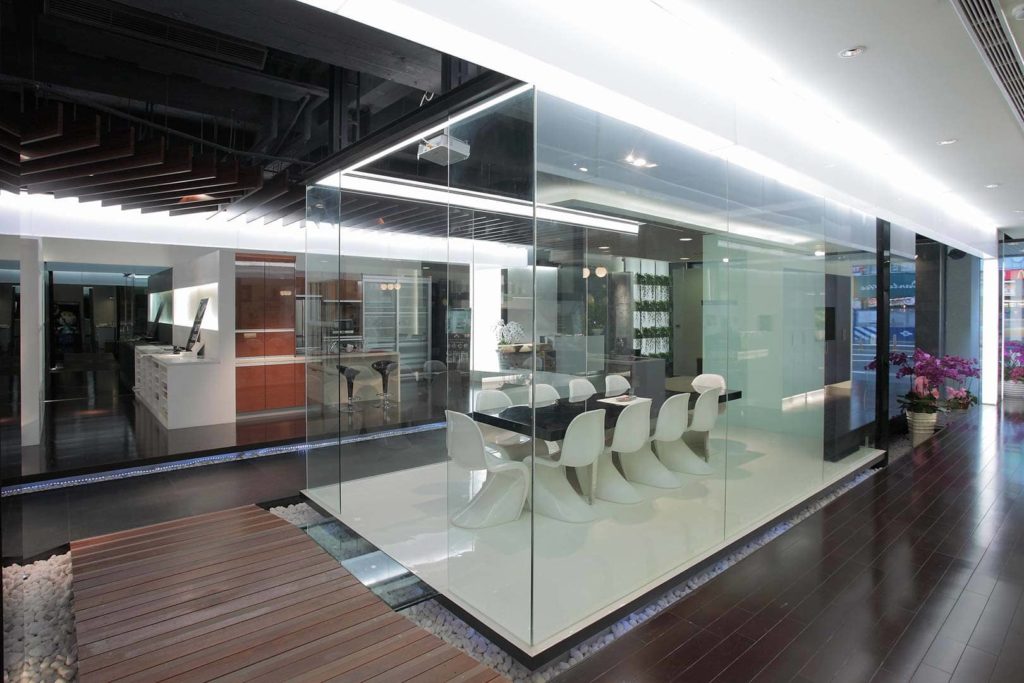
Meeting spaces often use aluminum-framed glass partitions instead of traditional solid walls. While maintaining boundaries, this also allows light and sight lines to extend, making the overall space feel more spacious and transforming the office into a space where teams can interact naturally and collaborate smoothly.


Modern Style | Songjiang Style Office

The design of the Songjiang Fengcai office originates from the brand itself, directly translating its philosophy and spirit into spatial language. The overall space is outlined with galvanized iron curved lines, resembling an opened jewelry box—understated yet meticulous, conveying the brand's emphasis on quality at first glance.

The jewelry box becomes the core of the space, and the overall planning clearly reflects the brand's attention to detail and dedication to customer experience. The jewelry box element is extended to every detail of the space, making sophistication, focus and professionalism a constant atmosphere in the office.


You may want to know more:How to create a Nordic-style office? 4 essential elements to create an ideal working environment


Office Interior Design Company | B-Studio

辦公室統包

B-STUDIO has been established for 20 years. Founded by architect and creative director Ben, the company holds professional certifications such as architect, elderly care promoter, and barrier-free facility designer. Over the years, it has accumulated rich practical experience, and its works have won numerous international awards, including the German iF Design Award, the Italian A' Design Award, the Japanese GOOD Design Award, the Korean K-Design Award, and the C+ Innovation China Space Design Art Competition.

B-STUDIO is comprised of a professional team specializing in the integrated planning of office and commercial spaces. Starting with needs and focusing on practical use, we ensure that spaces truly serve people. Welcome to contact us.connectLet B-STUDIO become your professional partner for your ideal space.


Frequently Asked Questions (FAQ)


Q1: Is it necessary to have a complete budget before designing an office?

Before discussing design, it is recommended to first determine a general budget range. It does not need to be precise down to every single item, but at least there should be an upper and lower limit. This way, the design company can propose a feasible plan based on the actual conditions, avoiding the situation where the budget is found to be too far off after the design is completed, requiring repeated revisions.


Q2: Should the office design and construction be done by the same company?

Communication costs are usually lower when working with the same company, and there is less chance of discrepancies between design and construction. Responsibility is also clearer. If design and construction are separate, it is recommended to clearly write down the drawings, materials, methods and acceptance standards before signing the contract to avoid misunderstandings in the process.


Q3: How are design fees usually calculated?

Design fees are mostly assessed based on the size of the space or the scope of the project. The scope of the project usually includes needs assessment, floor plan configuration, 3D rendering, and construction drawings. The actual cost will vary depending on the depth of the design and the number of revisions. It is recommended to clarify the scope of services and payment methods in the early stages. If the design and construction are handled by the same team, some companies will also offer a design fee credit, which can be included in the assessment.

辦公室設計案例

[Latest 2026] 7 Selected Office Design Cases: Bringing Efficiency and Aesthetics Back to the Space

When planning office space, many people start with the office design style, but spatial configuration and circulation design are equally important. Different industries and teams of different sizes have different needs for office design and planning.

This article compiles seven office design examples, from style to practical planning, to help you create an office space that is both aesthetically pleasing and functional.

文章作者

4 Key Points to Consider Before Designing and Planning Your Office

Before planning an office design, it's easy to overlook actual usage needs, aside from style selection. Whether it's a small office or a headquarters space, clarifying the space's own conditions in the early stages of design is crucial to ensuring the overall office decoration design is closer to actual needs and to better control office design costs.


Office Design Focus 1 | Starting with the floor area, plan the most suitable space configuration

The size of the space directly affects the office layout, such as whether to use open seating, whether to need meeting rooms or private workspaces. By rationally allocating work areas, common areas, and rest areas, the overall space can be made more flexible.


Office Design Focus 2 | Create a work environment that meets the team's needs based on team operations.

Different departments have different space requirements. For example, business teams need more space for communication, while the finance department prefers a quiet working environment. When designing and planning the office, the layout should be divided according to the actual number of users and the characteristics of each department.


Office Design Focus 3: Optimize Traffic Flow for Smoother Work Processes

Good traffic flow planning can reduce unnecessary interference. For example, high-frequency use areas (copying area, meeting room) can be set up in appropriate locations to avoid affecting the main work area.


Office Design Focus 4: Improve Storage Integration and Enhance Space Utilization Flexibility

An office space without proper storage design can easily become cluttered and reduce work efficiency. Consider system cabinet designs or centralized equipment configuration to improve the overall tidiness of the space.


Analysis of 7 Office Design Cases

Office Design Case 1 | Modern Minimalist Style: A Balance Between Simplicity and Functionality

現代辦公室設計案例

This modern office design case uses a modern minimalist style as its main design theme, balancing aesthetics and practicality within a limited space. Through open layout and material matching, a bright and orderly work environment is created.

現代辦公室設計案例

In terms of design concept,"Simple but not monotonous"With gray and white tones as the core, paired with wooden elements, the space is designed to reduce visual oppression while increasing warmth. Natural light is introduced through glass partitions, maintaining a sense of openness and transparency throughout the space.

Key points of spatial planning:

  • An open seating arrangement is adopted to increase team interaction and space utilization.
  • Using glass partitions to separate spaces, balancing privacy and a sense of openness.
  • The materials are mainly in low-saturation colors, emphasizing overall consistency.
  • Lighting zones are designed to meet the needs of different work scenarios.


Office Design Case 2 | Creative Design to Enhance Team Vitality

This case study uses urban nature as its core concept, combining office, communication, and living areas to create a multifunctional space that integrates creation and sharing. Unlike traditional office designs that emphasize efficiency, this case focuses more on creating an atmosphere that allows employees to inspire and interact in a natural and relaxed environment.

In the overall office design, the boundaries between work and life are blurred through the connection between indoor and outdoor spaces. Natural materials and green elements are used to create a comfortable and expansive spatial experience, allowing the team to freely communicate and share ideas, thus fostering a more vibrant creative atmosphere.

Key points of spatial planning:

  • Primarily designed with an open layout to meet work and communication needs.
  • Incorporating greenery and natural elements enhances spatial comfort.
  • Connecting indoor and outdoor spaces to create an extended user experience


Office Design Case 3 | Small Office Design: Efficient Use of Limited Space

小型辦公室設計案例

Small office design, based on limited space, creates a multi-functional space that combines work and living through space integration and functional transformation. The overall design is based on..."Small space creates a grand vision"Starting from this point, we aim to make flexible use of every corner.

小型辦公室設計案例

In terms of design concept, large floor-to-ceiling windows are used to bring in natural light, enhancing the sense of openness of the space, while visual extension reduces the feeling of oppression.

Key points of spatial planning:

  • Make good use of floor-to-ceiling windows to enhance the overall sense of spaciousness.
  • Creating layers and increasing the richness of space through furniture arrangement
  • Integrating work and communication functions in a small space


Office Design Case 4 | Corporate Headquarters Office Design: Brand and Space Integration

This project is the design of a corporate headquarters office with a floor area of 100 square meters. Through the connection of space, color and function, it establishes communication nodes between people, while showcasing the company's stable and consistent brand image.

企業總部辦公室設計案例

The design uses a gray color scheme as the main theme, without excessive decoration or strong colors, allowing the space to return to purity and rationality, creating a calm and professional office atmosphere. The space planning includes as many as 10 meeting rooms, serving as important mediums for communication and collaboration among teams, ensuring the overall circulation revolves around exchange and interaction.

Key points of spatial planning:

  • Using gray tones to unify the visual identity and strengthen brand consistency.
  • Multiple meeting room configurations improve cross-departmental communication efficiency
  • Using "intermediary spaces" to connect the overall circulation and usage scenarios


Office Design Case 5 | Executive Office Design: Balancing Privacy and Image

This office design emphasizes a balance between professional image and privacy needs. As an extension of the executive's office and reception area, it not only needs to meet daily office functions but also convey a stable and trustworthy brand image.

主管辦公室設計案例

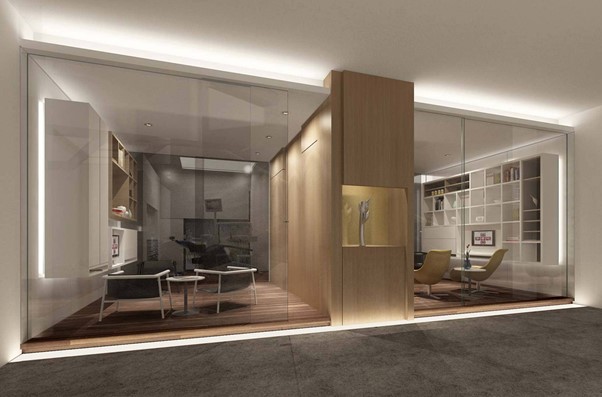
In terms of design concept, the use of low-saturation colors and understated materials, such as wood and metal details, creates a restrained yet sophisticated spatial atmosphere. At the same time, the interplay of glass partitions and solid walls maintains visual openness while ensuring necessary privacy and a quiet environment.

主管辦公室設計案例

Key points of spatial planning:

  • Combining glass and solid partitions to achieve both a sense of openness and privacy.
  • Using solid materials enhances the overall quality of the space.
  • It combines reception and meeting areas, creating a professional first impression.
  • Traffic flow separation design to avoid disrupting the supervisor's work rhythm


Office Design Case 6 | Personal Office Design: Balancing Focus and Efficiency

個人辦公室設計案例

This case study showcases a personal office design with a minimalist and sleek aesthetic. Through precise configuration and storage integration, it creates a focused and highly efficient work environment. The overall design emphasizes minimizing distractions, allowing users to maintain a stable work rhythm over extended periods.

The design uses light-colored wood and white as the base to create a clean and soft spatial atmosphere, reducing visual burden. At the same time, the use of system cabinets and hidden storage design keeps the work area tidy and orderly.


Key points of spatial planning:

  • The integrated storage design enhances the tidiness of the space.
  • Plan an L-shaped work surface to increase flexibility and workspace.
  • Combining ergonomic chair and desk height to improve comfort during long work sessions.
  • Reduce visual fatigue by using indirect lighting and uniform light sources.


Office Design Case 7 | Meeting Room Design: A Space to Enhance Communication Efficiency


This meeting room design employs a minimalist and low-distraction spatial language, using light-colored walls paired with clean lines to focus the visual attention on the meeting content itself. A rectangular conference table is centrally located, making it easier for participants to focus on the presentation or speaker, while also ensuring optimal viewing angles during presentations.

Key points of spatial planning:

  • The rectangular conference table configuration is suitable for presentations and discussions.
  • Integrating projection and presentation equipment enhances meeting convenience.
  • Even lighting distribution avoids visual disturbance and fatigue.
  • The space is designed to be simple and focused on the meeting's discussion content.


From office space planning to detailed design, B-STUDIO shapes your unique office style.

Office design is not just about choosing a style; it's also about a company's daily operations and overall brand image. From space configuration and circulation planning to materials and details, every aspect affects the actual user experience.

B-STUDIO With a diverse portfolio of office design cases, we can provide customized office design planning suggestions based on the needs and space conditions of different industries, helping companies create a work environment that is both aesthetically pleasing and functional.

If you are thinking about how to plan your ideal office space, welcome.connect B-STUDIOLearn more about office design cases and planning advice to help you complete every step from conception to implementation.

辦公室座位規劃

Is your office lighting too bright or too dim? A complete analysis of common lighting design mistakes.

In an office space, dim lighting can easily lead to distraction, while excessively bright lighting can cause eye strain. Incorrect color temperature can also reduce work efficiency. If you are planning or improving your work environment...Office lightingThis article will provide a complete explanation of: how to understand office lighting standards, how to choose lighting fixtures, how to improve overly bright lighting, and how to enhance the quality of space through professional design.


文章作者

Why does office lighting affect work efficiency?


Improper lighting in the office environment can easily lead to eye fatigue, headaches, decreased concentration, emotional tension, and a feeling of spatial oppression.


What are the standards for office lighting?


Based on general indoor lighting recommendations, the illuminance in office areas is roughly as follows:


Space Type

Recommended illuminance (Lux)

Standard office desk

300–500 Lux

Meeting room

300–500 Lux

Design/Detailed Work

500–750 Lux

aisle

100–200 Lux


In addition to the illuminance value, the following should also be noted:
color renderingFor general offices, it is recommended to choose lighting fixtures with a CRI of 80 or higher. The higher the CRI, the closer the colors of documents, products or design drafts are to natural colors, and the less visual burden there is.


color temperatureMost office spaces choose natural white light around 4000K, which is neither too dim nor too cold and glaring, striking a balance between comfort and focus, making it suitable for long hours of work.


color temperature

Feel

Applicable

3000K

Yellowish

rest space

4000K

Natural White

Best for the office

5000K+

cold white

It is easy to glare


Uniform lighting:If there are areas in a space that are too bright or too dark, the eyes need to frequently adjust to different brightness levels, which can easily cause visual fatigue. In terms of lighting configuration, the light distribution should be as uniform as possible to avoid excessive differences between light and dark.


How to Choose Office Lighting Fixtures? Common Types Explained


Different lamps create different levels of light.


Types of lighting fixtures

Function

Technological advantages

Flat panel light

main lighting

High uniformity

Decorative lights

Space extension

Designable shapes

Recessed lights

Main lighting/Supplementary lighting

Control key areas

Indirect LED strip

Comfort Level

Reduce glare


Professional planning will not rely on a single method. Office lighting fixturesInstead of using harsh lighting, the space is made bright yet not glaring through layering and arrangement.


辦公室照明
辦公室照明


Taking B-Studio's "Gaolin Office" design case as an example, the design concept of the case is "weaving". Through intersecting lines and the extension of light, the light and spatial circulation are integrated to form a soft and orderly working environment.


The lighting in this room mainly uses "linear LED light fixtures," which are integrated into the ceiling design in an interlaced manner. This provides main lighting while allowing the light to be evenly distributed throughout the space, avoiding situations where the tabletop is too bright or some areas are too dark.


The lighting fixtures themselves use linear lights with diffusers, rather than direct light sources, to soften the light and reduce glare and eye strain. This can reduce eye fatigue and improve work comfort in office environments where prolonged computer use or document reading is required.


辦公室照明


Furthermore, the extension and staggered arrangement of linear lights also connects with the office's circulation. The direction of the linear lights often echoes the main aisles or the arrangement of desks, visually guiding people's movement paths.Lighting also becomes part of the spatial design..


Energy consumption and lighting efficiency calculation


In office lighting planning, the "luminous efficiency (lm/W)" of luminaires directly affects long-term electricity costs. For example, a traditional 100W bulb can only provide about 1,500 lumens of brightness, while a 40W LED light can provide about 4,000 lumens.


While meeting the same office brightness requirements, LEDs can achieve better lighting effects with less electricity, which can significantly reduce electricity costs in the long run, as well as reduce the cost of replacing and maintaining light fixtures.


What to do if the office lights are too bright?


Many businesses, when they feel their office is too bright, instinctively assume it's due to too many light fixtures or too high wattage. Actually...The office lights are too bright. It's usually not that the lumens are too high, but rather:Direct light from lamps, insufficient line-of-sight brightness, uneven light distribution, and excessively cool color temperature (>5000K).cause.


A professional approach is usually to improve the lighting by redesigning the lighting configuration. For example, the entire space can be converted to "zoned lighting," allowing different areas to control their brightness independently; "indirect lighting" can be added, using reflections from the ceiling or walls to soften the light. Through these design adjustments, the office can remain bright without causing glare or eye strain.


Zoned lighting design


The single-loop control system for the entire area will be changed to a multi-loop control system.


Increase the proportion of indirect lighting


Increase the proportion of reflected light and reduce glare.


Import intelligent dimming system


It automatically adjusts according to time and natural lighting.


Three core principles of office lighting design


Functional Zone Lighting


Different areas should have different brightness settings, rather than the entire area being brightly lit.


Visual comfort first


Avoid direct light sources entering your line of sight.


Integration with spatial design


Lighting fixtures should be integrated into the ceiling and overall traffic flow, rather than being added later.


Professional teams such as B-Studio When planning an office, lighting is integrated with the space design to avoid the common mistake of "adding lights only after the renovation is complete".


Common mistakes in office lighting


Incorrect practice

Possible problems

High brightness throughout the area

visual fatigue

Color temperature disorder

Inconsistent spatial perception

Uneven arrangement of light fixtures

Create shadows

No dimming design

Unable to adapt to different work situations


Lighting planning is not just about looking at lamp catalogs; it requires combining spatial proportions with actual usage scenarios.


Recommendations for Office Lighting Planning Process


Assess space area and height


Key points to confirm include: actual interior floor area (㎡), ceiling height, beam and column locations, window direction, and furniture layout sketches. Why is height important?


The distance between light fixtures and the work surface directly affects illuminance and uniformity. For example, ceiling heights of 3 meters and 2.6 meters will require different spacing and wattage selection for light fixtures. Furthermore, the proportion of natural light also influences artificial lighting needs; areas near windows typically allow for lower base illuminance.Avoid overly bright office lightsThe problem.


Calculate the basic illuminance requirement


This step is technically crucial and requires setting target illuminance levels based on the nature of the work, for example:


  • General clerical work: 300–500 Lux
  • Fine design or drafting: 500–750 Lux


Next, the number of light fixtures is estimated using the illuminance calculation formula: Only after determining the target illuminance can the appropriate lumen value and quantity of office light fixtures be selected. Without calculation, two situations often occur: too many lights → power consumption and glare, too few lights → local dimness.


Practical Example of Illuminance Calculation


Here is a simple example of an office lighting assessment:


First calculate the total lumens required for the space.

Total lumens = Illuminance × Area: 500 × 80 = 40,000 lm

Next, apply the lighting formula:

Number of lamps
=Total lumens per lamp × UF × MF Number of luminaires
= \frac{Total Lumens}{Lumens per Lamp × UF × MF}Number of Lamps
= Single lamp lumens × UF × MF Total lumens
=40,0004000×0.7×0.8
= \frac{40,000}{4000 × 0.7 × 0.8}
=4000×0.7×0.840,000​ =40,0002240
= \frac{40,000}{2240}=224040,000​

≈ 17.86

Final result:To achieve a 500 Lux office lighting standard, an 80㎡ office would require approximately 18 4000lm light fixtures.


Design of zoned and layered lighting


Lighting should not be uniform across the entire area, but rather should be zoned according to function. Common zoning includes:


In general office areas (main lighting), meeting areas (dimmable), supervisor's offices (ambient lighting), corridors (guiding lighting), and reception areas (accent lighting), the professional team will decide at this stage: the number of panel lights, the direction of linear lights, and the placement of recessed lights in key locations. Layered lighting can avoid monotony in the space and reduce visual fatigue.


Simulate actual light perception


Professional teams typically use lighting simulation software for prediction, such as Dialux tools. The simulation includes illuminance distribution maps, uniformity, glare value (UGR), and luminance hot zones. Through simulation, problems can be identified in advance, such as insufficient illuminance in a certain area, excessive glare in a certain location, and overly dense arrangement of light fixtures. This step can significantly reduce future modification costs.


Construction and on-site adjustments


There will still be discrepancies between theoretical data and actual site conditions. Therefore, on-site measurements are necessary after construction. On-site adjustments may include: fine-tuning the lamp angle, adjusting the lamp spacing, replacing some wattage lamps, and setting the dimming ratio. Finally, an illuminance meter will be used to confirm whether the desired effect has been achieved.Office lighting standardsThis step ensures that the design is truly implemented, rather than remaining on paper. Through professional planning, subsequent modification costs can be avoided.


Office lighting planning case: Songjiang Fengcai Office


辦公室照明
辦公室照明案例


In another B-Studio design, the "Songjiang Style Office," the lighting primarily utilizes a combination of simple linear lights and indirect lighting. This lighting configuration avoids concentrating light in a single location, instead distributing it evenly throughout the entire office area. This design makes the space appear bright overall, without creating a situation where the desktop is very bright while other areas are dark, thus reducing eye strain for employees during extended computer use.


In key spaces, curved metal structures paired with lighting are incorporated into the design, echoing the overall "jewelry box" spatial concept. By illuminating the metal curves and wall materials with light, the space appears more refined, enhancing the brand image and allowing visiting clients to immediately perceive the company's quality upon entering. This approach elevates lighting beyond mere illumination, making it an integral part of the spatial design.


辦公室照明案例


In terms of energy-saving planning, this case study opted for high-efficiency LED lighting combined with natural light. The designer positioned the office area near the windows, utilizing natural light during the day to reduce the time spent using artificial lighting, while using low-energy LED fixtures to provide sufficient brightness. The effect of this design is to maintain comfortable lighting while also reducing long-term electricity bills and energy consumption.


Overall, the lighting design in this case focuses on: through the combination of simple lighting fixtures, uniform illumination and accent light sources, ensuring sufficient brightness and comfort in the office, while also using lighting to enhance the texture of the space, so that the work environment can be both efficient and reflect the brand image.


FAQs about office lighting


Q1: Does office lighting necessarily need to be 500 Lux?


Not necessarily, it depends on the job content. If it's general paperwork, it usually maintains... 300–500 Lux The illuminance is sufficient, but for tasks requiring high visual precision, such as design, drafting, or detailed product inspection, the illuminance may need to be increased to [a higher level]. 500–750 LuxOnly in this way can we ensure both work efficiency and visual recognizability.


Q2: Will bright office lighting affect eyesight?


Excessive light or glare can indeed strain the eyes for extended periods, potentially leading to eye problems over time. Dry eyes, headaches, eye strain, or decreased concentrationThese issues not only affect eyesight and work performance, but also, in addition to brightness, if the density of the lamps is too high or the color temperature is too cold, the overall space will appear glaring and uncomfortable, so these are also things to be aware of.


Q3: Is it better to have more lights?


The number of light fixtures is not the only indicator of lighting quality. In office lighting design, the configuration of light fixtures and the uniformity of light are more important.


Make light a fundamental engineering element for business efficiency

Office lighting isn't the final step in renovation; it's a fundamental project impacting efficiency and brand image. When you're considering how to choose office lighting fixtures, calculate office lighting standards, or correct overly bright lighting, what you really need is holistic planning. Through evaluation by a professional design team, you can significantly reduce subsequent modification costs and truly make your workspace an extension of efficiency.B-StudioSpecializing in overall commercial space design, we can help you integrate lighting engineering with spatial flow, material proportions, and brand image. Through professional calculation and simulation tools, we can ensure that the light is not just bright, but just right.

List of B-Studio office design and decoration cases

辦公室座位規劃

What is a reasonable office space per person? Understand the 4 principles of office space planning at a glance.

Office space planning not only affects the overall company image, but also relates to employee work efficiency and daily user experience. "Office space per person" is an important benchmark for evaluating whether the space is reasonable.


B-Studio With extensive experience in integrated space design, I am adept at considering office space configuration from a holistic perspective, taking into account functional needs, aesthetics, and corporate culture.This article will guide you through the calculation methods and common standards for office space per person, and share the core focus of office space planning.


文章作者


What is the average office space per person? How is it calculated?


Office space per employee refers to the average area allocated to each employee within a given office space.It is often used to assess whether the existing floor area meets the actual usage needs, and it also helps to plan the direction of future expansion and space adjustment.


The calculation method for office space per person is: Total usable office area ÷ Actual number of users.


Note that the baseline must be confirmed before calculation. For example, whether to include meeting rooms, tea rooms, corridors, storage spaces, etc. in the total area, or only to calculate the actual working area.


Common standards and reference values for office space per person per square meter


When planning office space, you can first refer to the common average area per person in the market as a preliminary assessment. However, the actual area still needs to be adjusted according to the company size, work style, and space configuration conditions. The following are common reference ranges for average office area per person.


1. Traditional Office


Traditional fixed-seat offices are typically configured with clearly defined cubicles and departmental divisions. The average floor space per person in this type of office is usually around 2 square meters.~4 pings/person.


Because it includes individual seating, basic aisles, and some public spaces, the overall area configuration is relatively stable, making it suitable for companies with a clear organizational structure and low variability.


辦公室座位規劃
辦公室座位規劃原則


2. Open-plan office


Open-plan offices emphasize flexibility and shared space, improving space utilization by reducing physical partitions and fixed seating arrangements. The average space per person in this type is approximately 1.5 square meters.~3 pings/person.

 
Although the area is relatively small, it is still necessary to properly plan the flow of movement and the proportion of meeting space to avoid affecting the comfort of use due to excessive compression of space.


辦公室座位規劃原則


3. Differences between different industries


There is no fixed standard for office space per person; different industries have different space requirements.


  • Technology industryEmphasis is placed on teamwork and flexible configuration, often adopting an open office model with a relatively streamlined floor plan, but meeting and discussion areas must be retained.

  • Design companyIn addition to office seating, there may be display walls, discussion tables, and sample storage space, so the per capita area is usually slightly higher.

  • Type of firm (e.g., accounting or legal)Prioritizing privacy and independent workspaces, these businesses may employ more cubicle configurations, resulting in a relatively stable average area per person.


Further reading:[Office Layout] How to plan? 2 steps to teach you how to create a comfortable and efficient office space configuration!


Five key factors influencing office space configuration


辦公室座位規劃


After determining the average office space per person, the actual office space configuration still needs further refinement. What truly affects space utilization efficiency are work patterns and needs. Here are 5 key factors commonly considered when planning office space:


1. Work style and seating arrangement


If a fixed seating system is adopted, each employee has their own desk and storage space, so a relatively complete personal work area is usually required. If a flexible seating or hybrid office model is adopted, the overall required area is usually more compact, but sufficient space for discussion and focus is still needed.


2. Ratio of Meeting to Collaboration Needs


Companies with frequent meetings should plan for sufficient meeting rooms and discussion areas. Failure to allocate space beforehand often results in encroachment on general office areas, leading to chaotic workflow. Therefore, when calculating the average office space per person, the proportion of public space must also be considered.


3. Future Expansion and Growth Flexibility


Office space planning should not only meet current needs but also assess staff growth over the next 1 to 3 years. If the initial plan is too tight, subsequent expansion may result in insufficient space or the cost of relocation.


4. Circulation and Space Efficiency


A well-planned circulation system can reduce distractions and improve work efficiency. Factors such as the width of main aisles, seating arrangements, and the location of common areas all affect the overall user experience. Even if the average office space per person meets standards, poor circulation planning can still create a feeling of spatial oppression.


5. Lighting, ventilation and environmental conditions


Natural lighting, ventilation, and ceiling height also affect the actual user experience. Given the same floor area, good environmental conditions enhance comfort and allow for a more rational allocation of space per person. Conversely, insufficient light or limited space necessitates design adjustments to improve the situation.


Office space planning principles|Balancing per capita area and enterprise growth flexibility


辦公室配置圖


Office space planning is not just a matter of allocating current floor space, but should also be considered from the perspective of the company's long-term development. Only through systematic evaluation and configuration can efficiency, flexibility, and overall image be balanced within a limited space. Below are some common suggestions for practical planning.


1. First, conduct a user requirements inventory.


Before allocating space, it's essential to assess the company's current headcount, departmental structure, and work patterns. For example, consider factors such as the need for frequent meetings, the availability of project team collaboration areas, and visitor reception requirements.


2. Set a reasonable range for per capita area.


Based on industry characteristics and work patterns, set an appropriate range for the average office space per person. For example, in traditional offices with fixed seating, the average space per person can be around 2–4 pings (approximately 3.3-6.6 square meters); while in open-plan offices, it is usually 1.5–3 pings (approximately 3.6-6.6 square meters). Too little space per person can create a feeling of oppression and distraction, while too much space may increase rent and operating costs.


3. Reserve 10–20% of flexible growth space.


Businesses typically expand or adjust their departmental structures over time. Providing a flexible configuration of approximately 10–20% can reduce the risk of relocation or major renovations, ensuring continuity of office space.


4. Overall circulation and visual integration


Office space planning involves more than just allocating floor space; it also requires consideration of smooth traffic flow and overall visual presentation. Furthermore, through the integrated design of materials, colors, and lighting, the space can not only fulfill its functional requirements but also showcase corporate culture and a professional image.


Further reading:Office design case studies compiled, highlighting 3 must-see popular styles and 6 key decorating points to create a sense of order in your space.


B-STUDIO offers customized office space planning that balances efficiency and flexibility!

Calculating the average office space per person is only the first step in office space planning. The real key is how to balance efficiency, growth flexibility, and corporate image within a limited space.


B-STUDIO Starting with interior design and extending to integrated architectural planning, we combine the intuitive thinking of designers with the rational analysis of engineers to create customized office spaces that are both functional and aesthetically pleasing for businesses. Whether it's a startup team or a company headquarters, our professional assessments can help establish a spatial structure that better meets your development needs.


If you are evaluating office space allocation or per capita area planning, welcome to...contact usLet space become the foundation for the company's growth!


List of B-Studio office design and decoration cases

辦公室座位規劃

2025 Office Seating Planning Guide | Seating Arrangement Essentials, Configuration Examples, and Feng Shui Sizing Guide

2025 Office Seating PlanHere comes the guide! From office seating arrangement points, common office layouts and mixed design styles, this article also explainsFeng Shui Considerations for Office Desk Size, followed by4 Tips for Office Seating Design, allowing you to retain good talents in one fell swoop!


If you still don't know where to start planning your office seating? B-STUDIO Consulting and ContactThey have nearly 20 years of experience in office design for foreign-invested enterprises and listed companies, have won numerous awards, and have clear service processes. We believe they can help you plan your office design!


文章作者


Why should we pay attention to office seating planning?


Besides representing a company's image, office space also features effective office design and seating arrangements, which can increase work efficiency and reduce employee workload. Business owners who prioritize office design and seating arrangements can enhance the overall quality of their office space. Good seating arrangements can improve teamwork, minimize distractions, and contribute to employee focus and satisfaction. Seating arrangements and desk dimensions also influence Feng Shui, and creating a comfortable office environment is crucial for a company's continued success.


Four basic principles for office seating arrangements, with a look at the Hitachi office example


Hitachi Officeis one of B-STUDIO’s clients.HitachiThe office style adopts Japanese minimalist style. Here are 4 basic principles of office seating design:


1. Clear and specific partitions


Clearly defined zones, including work areas and public communication areas, as well as divisions for business and administrative departments, enhance work efficiency and team management. For example, Hitachi's offices utilize large work desks with clear partitions and distinct movement paths.


辦公室座位規劃


2. Smooth and easy traffic flow


The circulation between areas and between seats is smooth and uncrowded, free of clutter and obstructions, creating a more comfortable experience. As can be seen in the photos above and below, the corridors and circulation between seats in Hitachi's office are very smooth and easy to navigate.


辦公室座位規劃原則


3. Adequate light and ventilation


A dark office environment not only discourages employees from working but also makes them feel uncomfortable. Adequate lighting and ventilation can improve mood and engagement. As seen in the photo below of Hitachi's office, large windows allow for ample light and ventilation.


辦公室座位規劃原則


4. Maintaining spatial flexibility and openness


For example, while pantries are typically used to meet dietary needs, B-STUDIO sought to retain a degree of flexibility and openness in its design. The pantry can also serve as a space for team cohesion. Activities that previously required renting a venue, such as exhibitions, lectures, meetings, workshops, or dinners, can now be held in the newly designed pantry area, maximizing the pantry's value and allowing employees to recharge after work.


辦公室座位規劃


[Extended reading]How to design office decoration? Four major planning points to create a high-standard office space!


Common office layout diagrams and examples


Since the pandemic, remote and hybrid working have become the norm. Hybrid space design has spatial flexibility and efficiency, and can flexibly respond to different numbers of workers and usage needs. Therefore, hybrid office design has become popular.


B-STUDIO I once helped a small company plan a minimalist and hipster-style office space. Let's take a look at the office layout diagram below to see what the five elements of a hybrid design generally are.


辦公室配置圖

1 Upper left corner: outdoor rest/tea area


There are plants and seats, suitable for relaxation and informal communication.


2. Left center area: meeting room/collaboration area


Equipped with a large oval conference table and multiple chairs, it is suitable for meetings and brainstorming.


3 Middle area: open workspace


The workstations are divided into two groups, each group accommodating about 3 to 4 people, which is conducive to team collaboration.


4 Right: Storage area or high cabinet wall


This may be done by creating clear separations between file cabinets, storage rooms or structural walls.


5 Lower area: toilet and tea room


Clearly demarcate public and private areas to avoid interfering with work areas.


The mixed-use layout above demonstrates a smooth flow of movement. Entering through the main door, one can move to different spaces as needed, with clear zones for active and quiet areas, ensuring that meetings, work, and resting areas do not interfere with each other. Furthermore, a balance of openness and privacy is achieved: open workstations foster interaction while meeting areas offer privacy.


[Extended reading]Visit B-STUDIO's official website to see the small company's office style


Feng Shui Considerations for Office Desk Size


Let’s take a look at the above example of a small company office layout:


Office seating arrangement and design


The backs of the seats in the work area are mostly against the wall, which symbolizes "having a backer" and helps stabilize career fortune; the front is open and does not face the wall or aisle, which means that the career prospects are bright.


The centrally located meeting area facilitates brainstorming and resource integration. A rest area and plants on the left side invigorate the overall atmosphere and promote interpersonal harmony. Furthermore, the entrance is not directly facing employee seating, effectively avoiding "door clashes" and minimizing external distractions.


辦公桌尺寸風水


Desk size selection


In addition to affecting the comfort of use, the size of the office desk also symbolizes the stability and development of the career in Feng Shui.Traditional Lu Ban rulerThe width of the office desk is usually chosen between 120 and 160 cm, and the depth is about 60 to 80 cm. This size is ergonomic and falls within the "lucky number" range, which helps improve your fortune.


If the desk is too small, it symbolizes a limited layout and makes it difficult to express ambitions; while if the desk is too large, it may cause pressure and disperse energy.


4 Tips for Office Seating Design to Keep Good Talent


1. Lighting and lighting design to create a bright and comfortable office environment


辦公室座位設計


Glass can be used to bring in plenty of natural light. Besides its excellent light transmittance, it also creates a sense of spaciousness. Designing a lighting solution tailored to different functional areas can also help meet diverse lighting needs.


for example BLAB SPACE Architect’s flipped space That is, a large amount of glass is used to bring in natural light, and the outdoor space hopes that people can communicate easily and deeply in the natural urban atmosphere, and the night lighting design uses soft and warm light.


辦公室座位規劃


2. Style and color combination should not exceed 4 colors


It's recommended that your office's style and primary colors be no more than four to avoid visual clutter. We recommend pairing your company logo's primary colors with two to four primary colors, or using simple color schemes for pops of color. This will create a distinct office feel.


for example B-STUDIO Assistance Casemiddle,Gao LinThe main color of the office brand is bright orange, and the office is matched with several neutral colors to make the office feel full of vitality.


辦公室座位規劃
辦公室座位規劃


3. The supervisor's seat is located in an independent compartment or in the center of the field of vision.


The supervisor's seat is located in a separate cubicle, providing privacy and a focused space, ideal for handling confidential matters and high-level decision-making. It also symbolizes a secure position and a strong sense of leadership. In feng shui, a separate cubicle can gather energy and nourish the spirit, enhancing management effectiveness and a sense of authority.


for example Finnegan Foreign Law Firm Taipei OfficeBecause work requires intense focus and logical thinking, each colleague is provided with a dedicated corner, offering a place to relax, think, and settle down. Furthermore, a carpet with a moss motif is chosen, allowing greenery to spread along the walls, creating a natural path indoors.


辦公室主管座位
辦公室座位規劃


4. Use green plants to improve the atmosphere


Proper placement of green plants can not only activate the aura, but also increase the comfort of the environment.Songjiang style officeThe design uses fine iron-plated arcs to outline the lines of the jewelry box and the texture of the space, and is embellished with green plants, making the jewelry box the core highlight of the space among the greenery, waterscape, calligraphy and paintings.


Don't know where to start planning your office seating? Leave it to B-STUDIO, your top choice.


B-STUDIO We adopt a "people-oriented" architectural and interior integrated design approach. Our services include office design, factory interior design, factory design, and self-built office space. We have won numerous international awards. We are good at integrating brand values into office style and have nearly 20 years of experience in office design for foreign companies and listed companies. If you have any needs or questions, please feel free to contact us.Consultation and contact! Let’s create a brand new and high-standard office space together!


List of B-Studio office design and decoration cases

How to create a Nordic-style office? 4 essential elements to create an ideal working environment

In the fast-paced urban life, we spend about one-third of our time in the office every day, so more and more people are beginning to pay attention to the impact of the working environment.Nordic style is known for its natural, bright and practicalInterior designConcept has become a popular choice for office design in recent years.


This article was contributed byB-StudioShare several selected "office design cases" and "Nordic style office cases" to inject new inspiration into your ideal office. 


文章作者


What is Nordic style?


The Nordic style originated from Nordic countries such as Sweden, Norway, and Finland. Due to the long winters and short sunshine hours there, the home space pays special attention to lighting and comfort. This design style is based on natural light, warm materials and minimalist lines, allowing people to feel open and relaxed indoors. A common practice is to retain large windows, use large areas of white or light-colored walls, and match them with simple and neat furniture and natural materials to make the overall space more comfortable and warm.


Essential elements for a Nordic-style office


Nordic office features 1: natural light and bright space


Nordic-style offices usually don’t block out too much light, but rather focus on bringing in natural light. Large windows bring in light during the day, while simple-design, soft-light lamps are used at night to keep the overall atmosphere bright but not glaring.


Nordic office feature 2: practicality and aesthetics


The furniture is mainly simple and practical, but at the same time it focuses on design. We try to use "subtraction" as much as possible in the space, removing unnecessary decorations to create a neat feeling for the overall environment.


Nordic office features 3: Incorporating natural elements and greenery


Extensive use of natural elements such as wood elements and natural fabrics as decorations, and appropriate amounts of green plants are added to create a warm atmosphere.

  • Wood elements: Solid wood floors, wooden partitions, wooden furniture (such as tables and chairs, side tables, storage cabinets), etc.
  • Natural fabrics: Linen sofa covers, curtains made of cotton, linen or tulle, wool blankets or rattan storage baskets, etc.

Nordic office features 4: simple lines and low-color colors


The color scheme is usually based on white, gray, beige and wood color, emphasizing the stability and calmness of the space. If embellishment is needed, non-glaring natural colors such as dark blue and dark green will also be chosen.


Nordic style office space traffic planning skills


北歐風辦公室設計


The Nordic style not only pursues visual simplicity, but also attaches great importance to the fluidity of space use. Good traffic planning can make the office environment more orderly and improve overall work efficiency. Here are some traffic planning tips:


Open layout, enhanced liquidity


Reduce physical compartments:

Try to avoid thick walls, and instead use glass screens, low cabinets, movable partitions, etc. to divide the space so that the line of sight can penetrate and the movement lines are more natural.


Open Aisle Design:

It is recommended that the width of the passage be maintained at 90-120 cm to avoid crowding or excessive winding. It can be matched with low furniture to maintain a sense of open space.


Natural light guides the flow of traffic


Integrate daylighting with usage paths:

The main work area is configured with window lighting, and the direction of light is consistent with the flow of people, which improves comfort and spatial continuity.


Classification by material or planting:

Wooden floor textures, ceiling lines, green walls or lighting arrangements can all be used to naturally guide walking routes.


Natural connection of functional areas


Connect each functional area smoothly:

The meeting area, tea area and work area are connected to each other to avoid dispersion, improve space utilization efficiency and make the traffic flow natural and smooth.


Integrate storage along the movement line:

Designing the storage system on both sides of the traffic line or in the corner area not only saves space but also avoids visual clutter, making the overall traffic line cleaner and more refreshing.


Different Nordic office design styles


In order to adapt to the space conditions, when doing interior design, the Nordic style is often combined with other styles to develop more diverse forms of expression. Such a design not only retains the original simplicity and naturalness of the Nordic style, but also meets the preferences of different users. The following are 4 common types of Nordic style extensions:


Modern Nordic style


Based on the classic Nordic style, the modern Nordic style adds a stronger sense of lines and urban elements. Black iron pieces, glass partitions and minimalist furniture are commonly seen in space design, paired with light wooden floors and large areas of white space, showing a refreshing yet individual tone, which is suitable for offices or commercial spaces with a strong sense of urbanity and creativity.


Warm Nordic style


The warm Nordic style pays more attention to the emotion and comfort of the space. It often uses softer warm colors such as beige, milk tea color, light wood color, etc. as the main axis, and matches cotton and linen fabrics, soft carpets and handmade accessories to create a warm and comfortable atmosphere. It is very suitable for small office spaces, rest areas or tea rooms that want to create a warm and relaxing atmosphere.


Japanese Nordic style


The Japanese Nordic style combines the simplicity of Nordic style with the tranquility of Japanese style. The colors are mainly natural wood color and white. Japanese-style natural materials, such as tatami, bamboo, rattan or stone elements, are added to create a natural beauty. The overall atmosphere is more Zen, which is suitable for office areas, reading spaces or informal meeting rooms that require a calm atmosphere.


Industrial Nordic style


The design combines the simplicity and naturalness of Nordic style with the rugged texture of industrial style to form a warm industrial atmosphere. The design often features exposed open air flowers, gray cement walls, iron and dark wood, which are in balance with the simple lines and natural light of the original Nordic style. It is suitable for entrepreneurial teams or cultural and creative spaces that focus on brand attitude and pursue unique style.


Nordic style office case


NT$+Xiaoshiyuan


北歐風辦公室案例
北歐風辦公室案例


Xiao Shao Yuan uses warm lighting, natural lighting, a lot of wood-tone furniture, and adds green plants to create a warm and comfortable relaxing space in the commercial space.


Hitachi Office


日式北歐風辦公室案例
日式北歐風辦公室案例


Hitachi's new office space design combines open, bright and comfortable elements. The tea room is designed to be the core of employee communication and is equipped with flexible tables and chairs, allowing colleagues to relax freely and enhance interaction with each other.


More office design cases of different styles


He Le Music


北歐風辦公室案例


The curved wall is like a musical note flowing inside; the transformation of each space is the imagination of a new movement; the office space is allowed to have different levels and interfaces, and independent areas surround the flowing public space. Working in this space feels like being in music, enjoying the joy and unlimited imagination brought by each piece of music!


The style of the entire office combines a lot of wood tones and a bright and light atmosphere. The ceiling is not covered with pipes and is modified with trims to bring a sense of industrial innovation. It is a mix of Japanese and Nordic styles combined with industrial style.


E Ink Holdings Incorporated


辦公室設計案例
辦公室設計案例


Combining German modern industry with Nordic new industrial style, advocating the concept of environmental sustainability, and integrating the cultural heritage of oriental papermaking, we create a simple and neat space for E Ink Technology.


Create an ideal office with B-Studio


B-STUDIO We are deeply rooted in the concepts of nature, sustainability, health and green architecture, and use a simple and rustic style to adapt to the environment and configure space, meeting the needs of modern enterprises for sustainable development. It has outstanding works in the fields of architecture, interior and space design, and has won many international design awards such as the German IF Design Award, the Italian A' Design Award, and the Japanese GOOD Design Award, proving its outstanding strength.


B-STUDIO's professional team has nearly 20 years of rich experience and can deeply understand the needs of different owners, industries and brands. Through meticulous communication, they optimize every design detail to ensure that customer expectations are perfectly presented. Limited space, unlimited possibilities


Contact B-STUDIO now, let us design an ideal office space that is efficient, open, and highly functional for you!


/ Browse more design works of B-STUDIO / https://www.b-studio.com.tw/tw/works/


/ Extended reading / Don’t ignore office laws! Create a comfortable and efficient office space with average area per person... 4 basic rules for lazy people

ONLINE CONSULTING / Online consultation form

https://reurl.cc/lzD09j

https://reurl.cc/o87973

https://reurl.cc/OYvXVg

https://reurl.cc/pa6mZd

List of B-Studio office design and decoration cases

Office design case summary, must-see 3 popular styles and 6 decoration key points to create a sense of order in the space (latest in 2025)

Office design trends continue to evolve, shifting from traditional single spaces to multifunctional hybrid layouts, redefining the ideal working environment.officeDesign is like the core engine of an enterprise, affecting its operational efficiency and momentum. A properly planned workspace can unleash its maximum potential, stimulate team vitality, and drive the enterprise forward at full speed. This article sorts out several practical office design points for you, and shares and analyzes multiple office design cases, from popular styles to interior decoration, to help you create an office space that is both efficient and beautiful.


6 key points of office design:

Demand division to improve space efficiency

The ideal office space should be smoothTraffic flowBased on reasonable functional zoning, it is reasonably configured according to different office needs and department characteristics. For example, open workspaces can promote team collaboration, independent spaces provide a highly focused working environment, and tea rooms and rest areas provide a place for the team to relax and communicate, maximizing space utilization.


Flexible configuration to meet future development needs

The size and working mode of an enterprise may change at any time, and the design of office space should be highly flexible to adapt to future needs. Movable desks, modular furniture and adjustable partition walls allow the space to be quickly adjusted. Many companies also importShared workspace, allowing employees to freely choose their seats and enhance collaboration and innovation.


People-oriented, creating a comfortable working experience

As office concepts upgrade, providing a comfortable working environment can improve employee health and efficiency. Office design should give priority to ergonomic design, such as choosing ergonomic chairs, height-adjustable tables, etc. to reduce employee fatigue, and using large windows to introduce natural light to enhance concentration and improve mood. In addition, good ventilation and noise reduction design can also keep employees in the best working condition.


/ Related Reading / Is there not enough sound insulation? 5 tips to solve indoor sound insulation problems in offices, conference rooms and homes!


Create a space atmosphere with corporate characteristics

The office space is not only a workplace, but also an extension of the corporate values and brand image. Through color matching and atmosphere creation, employees and visitors can naturally feel the corporate culture. For example, the vitality given by orange is suitable for companies with creative and dynamic personalities. The brand LOGO wall in the reception area, the cultural display area in the corridor, and the design elements in the tea room can all strengthen brand recognition and closely connect the space with the corporate spirit.


Light design, comfortable and efficient lighting environment

In addition to natural lighting, office lighting should provide uniform and soft light to avoid glare and dark corners. Local lighting can be supplemented by table lamps, chandeliers or track lights to reduce eye fatigue. Accent lighting can be used in display areas, corporate image walls or meeting areas to highlight corporate characteristics and attract attention through focused lighting. lightcolor temperatureIt also affects the office atmosphere. The refreshing cool white light creates a sense of concentration, while the warm yellow light can soothe emotions.


Incorporating green ideas to make office work healthier

Injecting some green embellishments into the space can not only enhance the beauty of the space, but also improve the physical and mental health and work efficiency of employees. Greening the office does not necessarily require large-scale investment. Simple measures such as choosing low-energy lighting, adding green plants, using environmentally friendly materials, and purchasing energy-saving equipment are all feasible practices.


Office design style 1: modern minimalist style

辦公室設計案例_現代極簡風


The modern style creates an open, bright and orderly working environment through clean lines, simple colors and high-functional furniture, while reducing visual noise to make the space more efficient and comfortable. In this case, large glass partitions are used to separate the open work area and the rest area, which not only retains the sense of transparency but also does not affect the flow of sight. The simple yellow-green leisure chairs and geometric carpets add a touch of vitality, making the space not too cold.


Office design style 2: warm wood style


辦公室設計案例_日式原木


The Japanese log style uses natural and rustic wood tones and textures as the main axis of the space. Through simple wooden furniture and soft tones, it can create a relaxing and friendly atmosphere. The case is an open tea room in the office. From tables and chairs to tea cabinets, the natural wood color enhances the texture of the space, allowing you to heal and recharge yourself with a cup of coffee or tea.


Office design style 3: light luxury retro


Combining modern sophistication with retro elements, the office creates an elegant and personalized workspace by selecting high-quality materials, exquisite decorations and nostalgic furniture. The use of materials such as metal, leather, and dark wood in the case, combined with the symmetrical arched structural design, echoes the European retro aesthetics. The built-in circular indirect lighting in the ceiling creates a soft light and shadow effect, making the office full of style and high-end atmosphere.


Office decoration case: Feihan Foreign Law Firm


辦公室設計裝潢案例_法律事務所
辦公室設計裝潢案例_法律事務所
辦公室設計裝潢案例_法律事務所
辦公室設計裝潢案例_法律事務所


The client is a law firm that has long focused on relieving work stress and fatigue in a highly focused and logical work environment.


B-STUDIO proposes"Beyond Reason"The concept ofExclusive rest area, allowing employees to relax, calm down and stimulate thinking. In addition, the design also includes spaces to promote communication and teamwork, enhancing the tacit understanding and cohesion among employees.


We also make good use of our advantages: Located on the 12th floor, we can see the greenery of Dunhua North Road from the window.Bringing this natural landscape indoors, choose a carpet with moss imagery, and the green elements spread along the wall, creating an atmosphere like a nature trail, making the office full of vitality and comfort.


/ Related Reading / Apple Office Design: When Technology Meets Art, Subverting the Design Aesthetics of Traditional Offices

                   How to design an Airbnb office style? Create a foreign business style and master the three key points of office design


Office Interior Design Case: Meeting Room


辦公室設計案例_會議室


The design of the conference room takes into account both functionality and professional atmosphere. The combination of white and gray tones highlights the formal and calm sense of space. The audio-visual equipment includes projectors, sound systems, TVs and smart whiteboards to meet various meeting needs and enhance interactivity. Specially installed sound-absorbing materials reduce noise interference and ensure privacy, so that every meeting can be focused and efficient.


Office Interior Design Case: Lounge Area


辦公室設計案例_休息區


The space combines industrial style with natural elements to create a relaxing and stylish rest area. The hanging iron racks display wine glasses and green plants to enhance the visual level. The large glass windows allow the outdoor greenery to be reflected indoors, making the space more transparent and bright, further enhancing the comfort and pleasure of the working environment.


Want to create a unique office space? let B-STUDIO Tailor-made design for you!


B-STUDIO We are deeply rooted in the concepts of nature, sustainability, health and green architecture, and use a simple and rustic style to adapt to the environment and configure space, meeting the needs of modern enterprises for sustainable development. It has outstanding works in the fields of architecture, interior and space design, and has won many international design awards such as the German IF Design Award, the Italian A' Design Award, and the Japanese GOOD Design Award, proving its outstanding strength.


B-STUDIO's professional team has nearly 20 years of rich experience and can deeply understand the needs of different owners, industries and brands. Through meticulous communication, they optimize every design detail to ensure that customer expectations are perfectly presented. Limited space, unlimited possibilities


Contact B-STUDIO now, let us design an ideal office space that is efficient, open, and highly functional for you!


/ Browse more design works of B-STUDIO / https://www.b-studio.com.tw/tw/works/


/ Extended reading / Don’t ignore office laws! Create a comfortable and efficient office space with average area per person... 4 basic rules for lazy people

List of B-Studio office design and decoration cases

ONLINE CONSULTING / Online consultation

How to plan office partitions? Learn about office partition regulations, costs, and designs in one article!

Are you troubled by the mixture of public space and individual office space? But how should the office be planned to be efficient and comfortable? There are many kinds of light office partitions on the market, such as light steel frame partitions and wooden partitions. How to choose? This article will tell youTips for planning office light partitions, helping you plan office traffic flow, arrange space distribution, and organizeTypes, costs and regulations of office light partitions,let B-Studio Accompany you to create an ideal office!


Are office cubicle walls important?


Good office space planning will make employees and performance soar! Office partition walls play the role of dividing space, arranging traffic lines, and setting lighting and ventilation in space design. If the public, meeting, individual and rest spaces in the office are properly planned, it will not only reduce interference between colleagues, improve concentration and work efficiency, and bring a new look to the company, but the company will also be able to flexibly adjust the use of space according to needs, saving money and time.


Five office cubicle planning tips


The purpose of office partition planning is to provide employees with an efficient and comfortable working environment and help the company develop stably. The following are five things to pay attention to in office partition planning.


1. Arrange the flow of space


When arranging traffic flow, it is necessary to consider the convenience of personnel movement and design traffic flow that meets business needs. In addition, special attention should be paid to the traffic flow of entrances and exits to avoid congestion caused by narrow aisles. It is recommended to use furniture or partitions to divide the space into functional areas, so as to separate the reception area, waiting area and work area.


2. Choose the partition material


When choosing materials, you should choose glass partitions, wooden partitions or steel partitions according to the sound insulation, privacy or visual needs. The materials of each partition can refer to the types of office partitions below.


3. Combine natural light sources


Use glass partitions or open partitions to maximize light and make the space feel brighter.


4. Leave room for flexibility


Incorporate the need for business expansion or structural adjustments into space planning considerations and choose adjustable partition walls or movable partitions.


5. Integrate corporate culture design


The color and shape of the partitions can reflect the corporate culture and values.


Office partition case: How to create a bright and branded Japanese style in 127 square meters?


B-STUDIO has servedHitachi OfficeFor example, in the 127-ping space, seven major areas are planned: "Tea Room/Social Hall/Office Area/Flexible Room/Meeting Room/Locker/Telephone Booth".


Office cubicles: Pantry – an open communication space


In the past offices, tea rooms mostly served as places to meet colleagues’ drinking and eating needs. In this planning, we have specially expanded the function of the tea room. It is not only a space to meet the needs of food and beverage, but also a place to increase team cohesion. Whether it is exhibitions, lectures, meetings, workshops or dinners, all kinds of activities that previously required renting venues can be held in the newly planned tea area. Colleagues can also rest, relax, and discuss in the tea area after work to change their mood.


Office partitions: Office area – reduce solid wall partitions, increase open views and natural light


In the planning of the work space, the open work space allows a large amount of natural light to penetrate into the office, creating a bright working environment. Encourage communication and collaboration among teams. In the distribution and planning of the meeting space, aluminum-framed glass partitions are used to give the space a simple and modern design style, eliminating the need for solid wall partitions and broadening the visual experience of the space.


Through the “active and quiet zoning” planning, the public area becomes an open communication place, while the private work area provides a quiet space for focused work, creating a highly interactive open office space, making the office not only functional, but also a tangible display of corporate culture.


More office space case sharing|Hitachi Office,He Le Music


What to look out for in office cubicle regulations? 3 regulations you must know!


When planning office partitions, you need to understand and comply with relevant legal regulations, such as Management Measures for Interior Decoration of Buildings and Building technical rules for building design and construction , the following is a brief summary of three regulations that need more attention.


  • Management Measures for Interior Decoration of Buildings Article 10 It mentions: "After completing company or business registration, interior decoration businesses should submit the following documents to apply to the Ministry of the Interior for interior decoration business registration permit and obtain a registration certificate. Those who do not obtain a registration certificate are not allowed to carry out interior decoration business." It reminds everyone that if they need to carry out interior decoration, they must contact a certified company or studio.
  • according toConstruction LawIt is stipulated that before commencing indoor decoration, an indoor decoration permit must be applied for in accordance with the regulations on indoor decoration. If you start construction without applying for an interior decoration permit, you may violate Article 95-1 of the Building Law, homeowners, tenants, interior decoration companies, and construction workers may all be fined.


In addition, relevant policies such as fire safety, sound insulation standards, and environmental protection standards must also be taken into consideration. Therefore, it is recommended to work with a professional team to comply with design and construction specifications.


B-STUDIO has extensive experience in office partition design and can also assist in applying for interior decoration permits. Welcome to consult us.


What types of office cubicles are there? Introduction to the advantages and disadvantages of four materials


The main types of light partitions include steel light partitions, white brick wall light partitions, expanded clay wall partitions and wooden light partitions. The following is an introduction to light partitions made of four materials.


Light steel partition


Steel light partitions can be divided into dry type and wet type. They are based on light steel frames and are combined with lightweight materials such as panels. They are durable and stable, quick to install, and have a light structure.


White brick wall light partition


White brick wall light partitions are partitions built with lightweight white bricks. They have poor waterproof and sound insulation effects, but the walls are relatively flat and can be decorated in various ways.


Ceramic light partition


The ceramsite light partition is made of ceramsite mixed with cement. It is fireproof and earthquake-resistant, and easy to construct, but the price is high, so few people choose it.Ceramic light partition.


Wooden light partition


Wooden light partitions use wooden frames, which have poor earthquake resistance, fire resistance and sound insulation effects and require regular maintenance. However, compared with other materials, wooden light partitions can create a warmer atmosphere. It is suitable for small wall areas such as dressing rooms and study rooms, or spaces that do not require high sound insulation.


Compartment Fee Form


The cost of partitions varies depending on the partition construction methods and materials. The following is an explanation of the cost of light partitions.

In addition to material costs, there are sometimes overall design fees, waste disposal fees, permit application fees, etc. It is best to consult the design team directly.


Construction method

Material

price

Light steel partition

Light steel frame + plate

$3,500~$8,000/ping

White brick wall light partition

Lightweight white brick

$3,500~$5,000/ping

Ceramic light partition

Ceramic plate + angle iron + mortar

$6,500~$8,000/ping

Wooden light partition

Wood scraps + boards

$3,500~$6,000/ping


Note: The above prices are for reference only. The actual prices vary according to the region and difficulty level, and are still based on the manufacturer's quotation.


Office decoration recommendation—B-STUDIO

B-Studio adopts "people-oriented" architectural interior design. Its service scope covers: office design, factory interior design, factory office design, self-construction, etc. It has won many international awards and only creates new and innovative products for customers. Life concept and high-standard dream space! If you have any needs or questions, you can come hereConsultation and contact!


Further reading:
How to choose between a newly built house built by a builder vs. a self-built house!? See which one is suitable for you

[Office Style] Google Apple IKEA’s top international office design turns out to be like this! ! Stunning and wonderful design

List of B-Studio office design and decoration cases

What are the store design details? I will tell you 2 key points of decoration, 4 design techniques and 4 case studies all at once!

How to use space to attract customers into the store, improve their shopping experience and encourage them to return is a major challenge that every brand store will encounter when opening a store! Store design is not justDecoration, and it is also the first impression of the brand image. After all, what details should we pay attention to in store design? How to plan the decoration of small stores and restaurants? This article will analyze the two core focuses of store decoration, share 4 practical design tips, and also deeply analyze the store decoration costs, so that you can easily grasp the various details of store decoration!


Two key designs for store decoration


Store decoration is not only a visual presentation, but also a perfect combination of brand value and consumer experience. How to make the store stand out in the fiercely competitive market and guide them into the store is a topic that every store owner must think deeply about when planning. The following are two key points that cannot be ignored when designing a store.


Store decoration focus 1: sign design


Shop signIt is the key indicator of the store. It can attract consumers' attention and convey the brand image and spirit. It is also the primary factor in attracting consumers to enter the store. An ideal sign design must be able to clearly convey brand information and attract consumers’ attention. Key considerations include whether the font size is clear enough, whether the information content is concise and powerful, and whether the color is attractive.

If the store is located next to a busy road, it is recommended to use larger horizontal or vertical signs; for stores located in small streets and alleys, you can choose side signs or small round signs to highlight the texture and increase recognition.


Store decoration focus 2: appearance design


店面裝潢


The store's exterior design is also one of the key points. In addition to affecting consumers' willingness to enter the store, the overall design must also echo the brand image and show a unique style through window design and store color matching. Here are 4 key points for store exterior design:


  • Entrance planning:There will be different considerations depending on the nature of the customer base. If you want to attract a large number of people into the store, you must set up obvious and open entrances and exits to avoid being too hidden so that customers will have psychological doubts and stay away; on the contrary, if you focus on the reservation system or serve specific consumers, you can keep the entrance confidential and prevent customers without reservations from entering the store at will.
  • Door and window design:Glass door design is the door and window material used in most stores. It can increase natural lighting in the store, display goods and store furnishings, and increase consumers' impression of the store. However, glass requires frequent maintenance and cleaning. If it is not properly maintained and cleaned, the glass full of stains and fingerprints will instead reduce consumers' impression of the brand. Therefore, it is recommended to limit the area of glass used. For example, you can only use glass on doors or windows. If you really want to use large areas of glass, you can stick a brand image on the glass. This can not only reduce the sense of dirtiness, but also increase the advertising effect, leaving an impression on passers-by.
  • Color matching:The color of the store appearance is also one of the core factors that determine the store and brand image. It is recommended to refer to the brand CI designated color for extension. If the brand does not have a CI design standard, you can choose attribute colors based on the brand industry. It is recommended to avoid more than three main colors to ensure that the store is visually concise and focused to avoid confusion and loss of focus.
  • Clear marking:If the store is located in a relatively hidden and inconspicuous place, it is recommended to add guide signs or light boxes to help customers easily find the entrance. Similarly, the sign design must also be consistent with the overall design style to increase brand professionalism.


What are the in-store and store design techniques?


店面設計


In addition to visual aesthetic design, store function planning is also very important. How to showcase brand value in the limited space of the store and enhance customers’ shopping experience is a test of the sophistication and ingenuity of store design. The following are four key points:


Tip 1: Traffic flow planning


Traffic flow planning is one of the core elements of store design. The most taboo thing is that the store is overcrowded and employees are in disarray due to unclear traffic flow, which will affect customers' shopping experience and reduce their willingness to return. Therefore, it is very important to design smooth traffic flow, avoid overly crowded traffic flow and areas where customers stop due to interference, ensure smooth walking paths, and allow customers to have a comfortable experience from entering the store, shopping to checkout. At the same time, clearly marked instructions can help customers quickly find the products they need and improve their satisfaction.


Tip 2: Lighting Design


In addition to store color, lighting design also helps create store atmosphere and enhance the overall customer experience. For examplespotlight, which can highlight the main products, attract attention and strengthen the core characteristics of the brand. In addition, the choice of color temperature is also very important. Warm lighting can create a relaxing atmosphere, while cool tones are suitable for a more modern brand image.


Tip 3: Bar work area design


The bar work area is not only the employee's working area, but also an important front-line area that comes into contact with consumers. The most important thing is efficiency and practicality. When designing, the corresponding hardware equipment placement (such as sockets, POS) and suitable storage space. In addition, the bar work area should reserve enough space for consumers to queue up for checkout to avoid congestion that affects the customer's consumption experience.


Tip 4: Pay attention to interior decoration regulations


The last and most important point is that relevant laws and regulations must be observed, such as fire regulations, hygiene standards, and decoration material requirements. For example: set up emergency exits, prepare fire-fighting equipment, and ensure that the space meets safety requirements. Before designing, it is recommended to conduct in-depth research on relevant regulations and cooperate with professional designers to create a safe and legal commercial space and enhance the brand's professional image.


What are the store decoration costs?


The decoration costs will vary depending on the store area, design requirements and style selection, and are mainly divided into the following items:


Demolition engineering costs

Common demolition projects include pre-demolition protective measures, demolition and cleaning and transportation of waste costs. Common demolition projects include ceilings, walls, floors and partitions. The total cost will be adjusted according to the area, demolition difficulty, etc.

Design and decoration fee

The designer will carry out space design, layout planning and style design according to the needs of the store owner, including floor plan design, 3D simulation, and selection of system cabinets, paint and floor materials. The design fee accounts for about 10% to 20% of the total decoration cost.

Material and soft furnishing fee

The cost will vary depending on the material and type of the selected wall, floor, ceiling material selection,Soft decorationSuch as the purchase of decorative items such as lamps, display cabinets, plants, tables and chairs, and other furniture. Different materials will affect the overall budget.

Construction cost

In addition to the initial demolition work, there will also be construction projects including mud painting, wall renovation, floor installation, water and electricity engineering, etc. The labor costs of these will vary depending on the difficulty of the construction and the length of the construction period.

Other expenses

Such as permit application, insurance, supervision, cleaning fees, etc., are all additional costs that need to be considered when decorating.


Generally speaking, the cost of store decoration can range from NT$50,000 to NT$150,000 per ping, but the specific cost still depends on the scale and the design and materials chosen.


What are the key points to pay attention to when decorating a small store?


How to maximize the visual effect and display the brand image in a limited space is a big challenge for every small store decoration. The following will introduce two key points of small store decoration.


Traffic flow design and display design


Not only the general store decorationTraffic flowDesign, small stores will pay more attention to the traffic flow design. It becomes very important to design a reasonable traffic flow to increase the time customers browse products and stay. For example, the entrance design should ensure smooth and spacious access, and design a circular route from the entrance to the checkout to guide customers to browse all the products in the store.


Selection and application of multifunctional furniture


Since small stores are subject to space constraints, it is recommended to use multi-layer cabinets or other multifunctional furniture that focuses on storage. Not only can this increase storage space, but it can also design a layered merchandise display. For example, the main merchandise can be placed within the customer's field of vision to increase exposure, and the design theme can be used to display merchandise in combination, effectively improving space utilization efficiency.


Key points of restaurant decoration design


To create a restaurant that attracts customers, decoration design is also one of the key factors. How to create a unique and unforgettable dining atmosphere through design and planning is a topic that every restaurant brand operator needs to think deeply about. The following will introduce 4 key points of restaurant decoration design.


Key point 1: Restaurant brand visual presentation


To present the restaurant’s brand image and brand tone, store decoration is definitely the first choice. For example, the design of a storefront sign should be combined with the brand logo and be simple and powerful so that customers can quickly identify it. Internal design is also very important, such as adding brand CI or LOGO, and selecting materials and colors in the store.


Point 2: Store movement planning


The quality of restaurant traffic flow planning will affect customers' dining experience. Therefore, it is necessary to ensure a clear and smooth traffic flow design and sufficient dining space so that customers can easily find a seat after entering the door, pick up the food smoothly after ordering, and finally check out without overlapping with other customers who have placed orders. Based on these plans, we will maximize the use of space and improve the utilization rate of tables.


Point 3: Lighting and color application


lightilluminationDesign is the key to influencing customers' dining atmosphere and consumption experience. It is recommended to use soft-toned lighting and multi-layered light and shadow effects to create a comfortable and textured atmosphere. Functional accent lighting is also provided, providing sufficient light for customers to clearly read the menu and appreciate the meal.


店面設計

For example, a case that B-STUDIO has assisted: Star Place (Music, Wine, 101 Night View), during the day, a large area of lighting is used to create a transparent dining area light source. At night, in addition to the night view that comes into view, the lighting atmosphere can also be adjusted to create a blue romantic atmosphere.

店面設計


Point 4: Selection tips for dining tables and chairs


The selection of dining tables and chairs not only affects the dining comfort, but also shapes the visual effects and atmosphere of the store. It is recommended to choose styles that are comfortable to sit on and made of sturdy and durable materials, and make sure that the style of the dining table and chairs is consistent with the overall design of the restaurant. In addition, choosing materials that are easy to clean not only saves time, but also maintains hygiene and extends its service life.


Inventory of store decoration styles


Modern humanistic minimalist style decoration – Store case: Jiayu Suit Carnival


店面裝潢風格

Modern humanistic minimalist decoration emphasizes the "people-oriented" spirit, pays attention to the essence and practicality of space, and is tailored according to the needs of users to demonstrate the humanistic spirit. The design style mostly uses natural materials and simple texture, matched with soft and calm colors such as earth tones and white, and combined with the textures of natural materials such as wood and stone, to create a quiet and warm spatial atmosphere.


Want to see more details⮕Click me


Modern industrial style decoration – Store case: Kingstone_Dali Store


店面裝潢風格


In the past, industrial-style decoration used low-saturation and stable tones such as gray, black and white, matched with exposed red brick walls, concrete walls and exposed pipes, combined with metal and dark brown wood elements, to create a strong personality atmosphere for the space. Today's industrial style will add plants or light-colored wood elements to make the space softer and more lively, avoiding being too heavy.


Want to see more details⮕Click me


Urban natural style decoration – Store case: Taiyuan + Xiaoshaoyuan


店面裝潢風格


The urban natural style is based on soft earth tones, combined with natural materials such as wood and stone to create a warm and comfortable atmosphere. At the same time, large glass windows will be used to bring in natural light to make the space bright and transparent, and indoor plants will be used to enhance the natural vitality of the space.


Want to see more details⮕Click me


Modern Nordic minimalist style decoration – Store case: Hakenpu_Yitong store


店面設計風格


The modern Nordic minimalist style uses black, white and gray as the basic colors, and is matched with contrasting colors to show a simple and neat sense of fashion. In terms of material selection, modern materials such as metal and glass are mostly used, combined with simple lines and geometric patterns to outline a low-key and modern space atmosphere.


Want to see more details⮕Click me


Office decoration recommendation—B-STUDIO

B-Studio adopts "people-oriented" architectural interior design. Its service scope covers: office design, factory interior design, factory office design, self-construction, etc. It has won many international awards and only creates new and innovative products for customers. Life concept and high-standard dream space! If you have any needs or questions, you can come hereConsultation and contact!


Further reading:
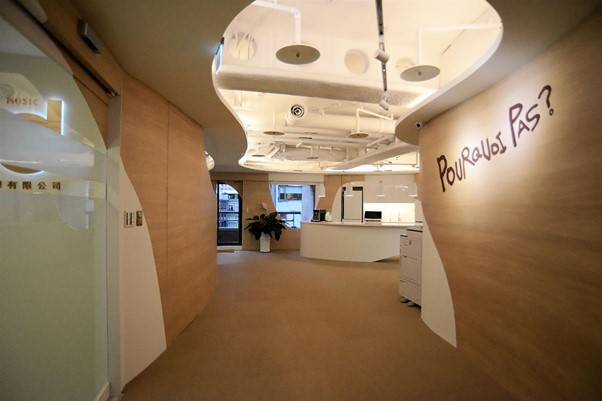
How to choose between a newly built house built by a builder vs. a self-built house!? See which one is suitable for you

[Office Style] Google Apple IKEA’s top international office design turns out to be like this! ! Stunning and wonderful design

List of B-Studio office design and decoration cases